
Plants
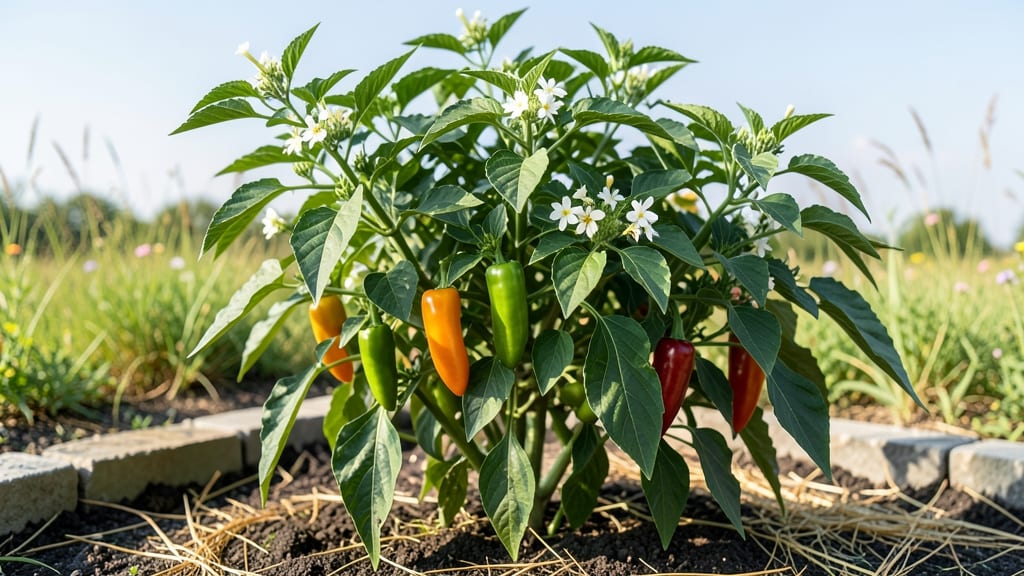
Anaheim pepper plants grow to a mature height of 3 to 5 feet—tall enough to brush your waist but flexible enough to thrive in containers with the right care.
If you’re dreaming of growing Anaheim peppers but worried about space, you’ll be relieved to know these versatile peppers adapt surprisingly well—even in containers. But how tall do Anaheim pepper plants really grow, and which varieties stay compact enough for small gardens or balconies?
Most Anaheim varieties are bush-type plants, meaning they don’t sprawl like vines but still need room to spread their leaves for sunlight. Without pruning, they can reach 4 to 5 feet, but with strategic training, you can keep them under 3 feet—perfect for patio pots or vertical gardens.
In this guide, I’ll break down the average height, share tips for managing growth in limited spaces, and highlight the best compact varieties for containers. You’ll learn how sunlight, pruning, and even your choice of pot can influence how tall your Anaheim peppers grow.


Anaheim pepper plant height: average growth and space requirements
If you're planning to grow Anaheim peppers, understanding their mature height is key to maximizing your garden space. These peppers typically reach 3 to 5 feet tall under ideal conditions, but their growth habits can vary significantly based on variety and care.
Some bush-type varieties stay compact, while others grow taller with a vine-like structure. Knowing these differences helps you choose the right spot—whether it's a container on your patio or a raised bed in your backyard.
One of the biggest factors influencing Anaheim pepper plant height is sunlight exposure. Plants grown in full sun (6-8 hours daily) tend to grow taller and produce more peppers, while those in partial shade may stay shorter but could yield fewer fruits.
Additionally, pruning and training techniques can help control their vertical growth, making them suitable for smaller spaces. Whether you're a beginner or an experienced gardener, understanding these nuances will help you optimize your harvest.
Root spread is another critical consideration when planning your garden layout. Anaheim peppers develop a wide root system, spreading about 18-24 inches from the base. This means you'll need to space plants at least 18 inches apart in garden beds to avoid overcrowding. If you're growing in containers, choose pots that are at least 12-15 inches deep and 12 inches wide to accommodate both roots and foliage.
For indoor cultivation, Anaheim peppers can thrive under grow lights but may grow slightly shorter due to limited space. However, with proper light supplementation (12-16 hours daily), you can still achieve a healthy 3-4 foot plant.
Always ensure your containers have drainage holes to prevent root rot, a common issue with peppers grown in pots. Balancing light, space, and container size ensures your Anaheim peppers grow strong and productive, regardless of your growing setup.
When growing Anaheim peppers in containers, container size plays a crucial role in controlling height. Smaller pots (like 5-gallon buckets) can restrict root growth, resulting in shorter plants that stay under 3 feet tall. However, this trade-off may reduce overall yield.
For optimal results, use 15-gallon containers or larger, which allow roots to spread while still keeping the plant manageable. If you're growing multiple plants in a single container, ensure each has its own 12-inch diameter space to avoid competition.
Another way to manage Anaheim pepper plant height is through pruning techniques. Regularly pinching off the tips of new growth (a process called topping) encourages bushier growth and prevents the plant from becoming too tall. This method is especially useful for container gardening, where vertical space is limited.
Additionally, removing suckers (side shoots) can redirect the plant's energy toward fruit production rather than excessive height growth. Just be cautious—over-pruning can reduce yield, so aim for a balance between control and productivity.
If you're growing Anaheim peppers outdoors, consider their vertical growth potential when planning your garden layout. Taller varieties (like standard Anaheims) can reach 5 feet or more if left unchecked, making them ideal for trellises or cages in larger gardens.
For smaller spaces, opt for bush-type varieties or use stakes and ties to guide growth upward. This not only saves space but also improves air circulation, reducing the risk of fungal diseases like powdery mildew.
One common mistake gardeners make is underestimating the space requirements of Anaheim peppers. Even compact varieties need room to thrive, and crowding can lead to poor air flow and reduced fruit production.
Always follow the spacing guidelines for your chosen variety, and don’t hesitate to prune or train plants to fit your available space. With the right approach, you can enjoy a bountiful harvest of Anaheim peppers—whether you're growing them in a backyard garden or a balcony container.
For those growing Anaheim peppers indoors, lighting becomes a critical factor in controlling height. While natural light is ideal, grow lights can supplement sunlight, especially in winter months. LED grow lights placed 6-12 inches above the plants can encourage even growth and prevent legginess.
If your plants start stretching toward the light (a sign of etiolation), adjust the light source to maintain a consistent distance. This ensures your indoor Anaheim peppers grow strong and stay within your desired height range.
In summary, Anaheim pepper plant height varies
Best compact Anaheim pepper varieties for containers and small gardens
If you're working with limited space, choosing the right Anaheim pepper variety can make all the difference. Most standard varieties reach 3-5 feet tall, but compact options like 'Mini Anaheim' and 'Sweet Banana' stay under 2 feet—perfect for containers or small garden beds.
These space-saving varieties deliver the same mild, slightly sweet flavor without the vertical footprint.
Hybrid varieties often provide better disease resistance and consistent yields, while heirlooms may offer unique flavors but require more care. For containers, prioritize bush-type varieties that don’t need staking or trellising.
A 5-gallon pot is ideal for dwarf varieties, but larger containers (10+ gallons) will support heavier yields and longer harvest seasons.
Compact Anaheim Varieties: Pros & Cons
Pros
- ✅ Space-saving: Under 2 ft tall
- ✅ Container-friendly: Thrives in 5-gallon pots
- ✅ Early harvest: Ready in 60-75 days
- ✅ Mild flavor: Classic Anaheim taste
Cons
- ⚠️ Lower yield: Fewer peppers than standard types
- ⚠️ Hybrid trade-off: Less flavor diversity
- ⚠️ Sensitive roots: Needs consistent moisture
- ⚠️ Limited branching: Fewer secondary stems
My top recommendation for beginners is 'Sweet Banana', a hybrid that stays under 24 inches tall while producing 30-50 peppers per plant. It’s also more disease-resistant than heirlooms, making it ideal for container growing.
For a true heirloom option, 'Mini Anaheim' reaches just 18 inches but requires more attention to pests and soil conditions.
When selecting a variety, consider your container size and sunlight exposure. Smaller pots (5 gallons) work for single plants, while larger containers (10+ gallons) can accommodate multiple plants or heavier harvests. Always use well-draining soil with added compost to prevent root rot, especially in confined spaces.
For maximum yield in containers, choose a bush-type variety and prune aggressively to encourage branching. Remove flower buds early to delay fruiting until the plant is well-established. This technique can boost yields by up to 30% while keeping the plant under 2 feet tall.
Remember, even compact varieties benefit from 6-8 hours of sunlight daily. Place containers in the sunniest spot available, and rotate them occasionally for even growth. With the right variety and care, you can enjoy fresh Anaheim peppers all season—no matter how small your space!