
How To
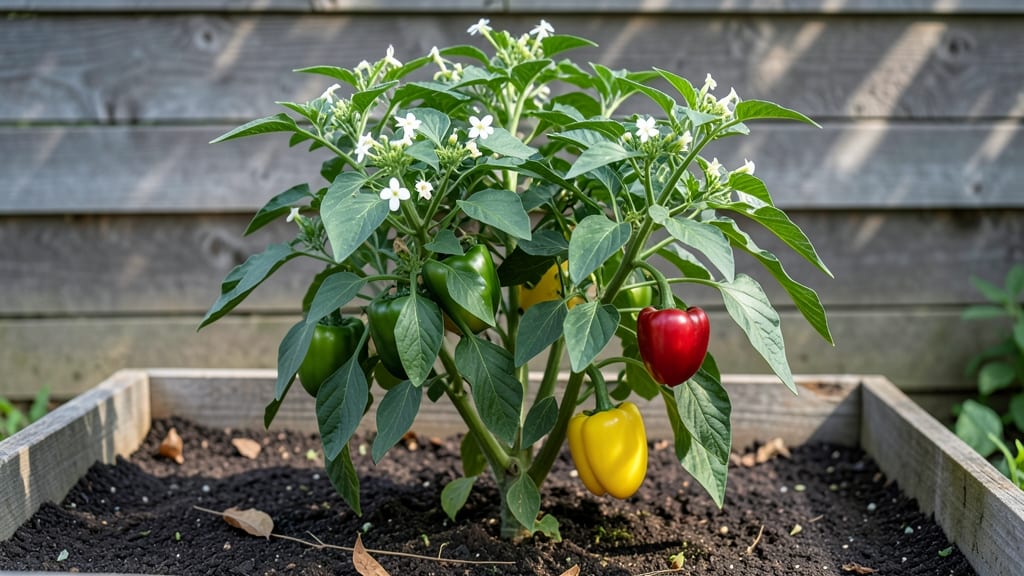
Bell peppers grow between 2 to 4 feet tall, depending on the variety and how you care for them 🌶️ — but knowing the exact range for your plants can save you space (or headaches) in the garden.
Picture this: you’ve just planted your bell peppers in April, and by July, they’re either sprawling like vines or staying compact like bushes. The difference? Variety, pruning, and sunlight. Without the right setup, you might end up with peppers fighting for space—or worse, struggling to ripen.
Some types, like the classic California Wonder, reach 3 to 4 feet and need room to spread, while dwarf varieties stay under 2 feet, perfect for containers.
Whether you’re working with a small balcony or a full garden bed, understanding these heights helps you plan for stakes, trellises, or even companion plants.
Below, I’ll break down the height ranges of popular varieties, share tips to control their growth, and help you pick the best types for your space—so you can maximize yield without the chaos.


Bell pepper height by variety: standard, dwarf, and giant types explained
Planning your garden layout but unsure how tall your bell peppers will grow? The answer depends entirely on the variety you choose, as heights range from compact dwarf types under 2 feet to towering vining varieties reaching 4 feet or more.
Understanding these differences helps you allocate space, optimize sunlight exposure, and even prevent overcrowding that can reduce yields. For example, a California Wonder pepper plant will sprawl dramatically, while a Jalapeño stays neatly contained—both are staples in home gardens but require very different growing conditions.
Most bell peppers fall into three broad categories based on height: dwarf varieties (ideal for containers or small spaces), standard bush types (the most common for home gardens), and giant or vining varieties (best for trellises or large plots).
Each category also has distinct growth habits, with some producing bushy, compact plants and others sending out long, sprawling vines. Knowing these traits upfront can save you from overcrowding or underutilized space in your garden beds.
Here’s a quick look at how these categories compare in terms of mature height, space requirements, and yield potential. The table below breaks down popular varieties, so you can pick the perfect fit for your garden’s layout and your harvest goals.
| Variety | Height Range | Growth Habit | Space Needs | Yield (Peppers/Plant) | Best For |
|---|---|---|---|---|---|
| California Wonder | 3–4 ft | Vining | 18–24" apart, trellis | 8–12 | Large gardens, trellises |
| Jalapeño | 2–3 ft | Bushy | 12–18" apart | 20–30 | Containers, small plots |
| Banana Pepper | 1.5–2.5 ft | Compact bush | 10–12" apart | 15–20 | Containers, windowsills |
| Chocolate Bell | 2.5–3.5 ft | Semi-vining | 18–24" apart | 6–10 | Trellises, raised beds |
| Mini Bell (Snack Pepper) | 1–2 ft | Dwarf bush | 8–10" apart | 30–50 | Containers, urban gardens |
| Giant Marconi | 4–5 ft | Tall vining | 24–36" apart, trellis | 4–8 | Large plots, vertical gardens |
Factors that influence bell pepper height (and how to control them)
Bell pepper height isn't just about genetics—it's a mix of environmental factors and your gardening choices. Sunlight exposure is the biggest influencer, with 6+ hours of direct sun pushing plants toward their maximum 3-4 foot potential.
But even with perfect light, soil nutrients like nitrogen and phosphorus can either fuel rapid vertical growth or stunt it if imbalanced. I've seen California Wonder varieties hit 4 feet in ideal conditions, while the same plant might only reach 2 feet in nutrient-poor soil.
Your pruning techniques also play a crucial role. Regularly pinching back side shoots encourages bushier growth with more fruit-bearing branches, while leaving plants unpruned often results in taller, leggier stems.
I recommend removing lower leaves to improve air circulation—this prevents fungal diseases that can weaken stems and reduce height. The key is balancing structural support with fruit production goals.
Don't overlook the container vs. ground planting debate either. Container-grown peppers often stay 1-2 feet shorter than their in-ground counterparts because root systems are restricted. However, containers give you control over soil depth and drainage—critical for preventing root-bound stress that can stunt growth.
I've had Banana peppers thrive in 5-gallon pots while reaching 3 feet tall, proving containers can work if you choose the right variety and pot size.
🌱 Height Control Hack:
For compact growth, use dwarf varieties like Tiny Tim (18-24 inches) or prune aggressively—remove top growth when plants hit 2 feet to redirect energy to fruit production. For taller types, add cage support early to prevent stem flopping.
Your climate zone matters too. In hotter regions (Zones 8-10), peppers grow faster and taller due to longer growing seasons, while cooler climates (Zones 5-7) often produce shorter, more compact plants.
I once grew Jalapeños in Zone 9 that reached 4 feet—but the same variety in Zone 6 only hit 2.5 feet before frost. Adjust your expectations based on your last frost date and first frost timing.
One often-overlooked factor is watering consistency. Overwatering can cause root rot, which weakens stems and reduces height, while underwatering leads to stunted growth. I water my peppers deeply every 2-3 days in summer, ensuring the soil stays moist but not soggy.
A self-watering container can help maintain consistent moisture levels, especially in small-space gardens where you can't monitor plants as closely.
For space-saving solutions, consider vertical trellising. I've trained Banana peppers to grow up 6-foot trellises, saving garden space while still achieving high yields. Just be sure to tie stems gently with soft plant ties—rough handling can damage stems and limit height potential.
This technique works especially well for balcony gardens or urban containers where vertical space is a premium.