
Picking
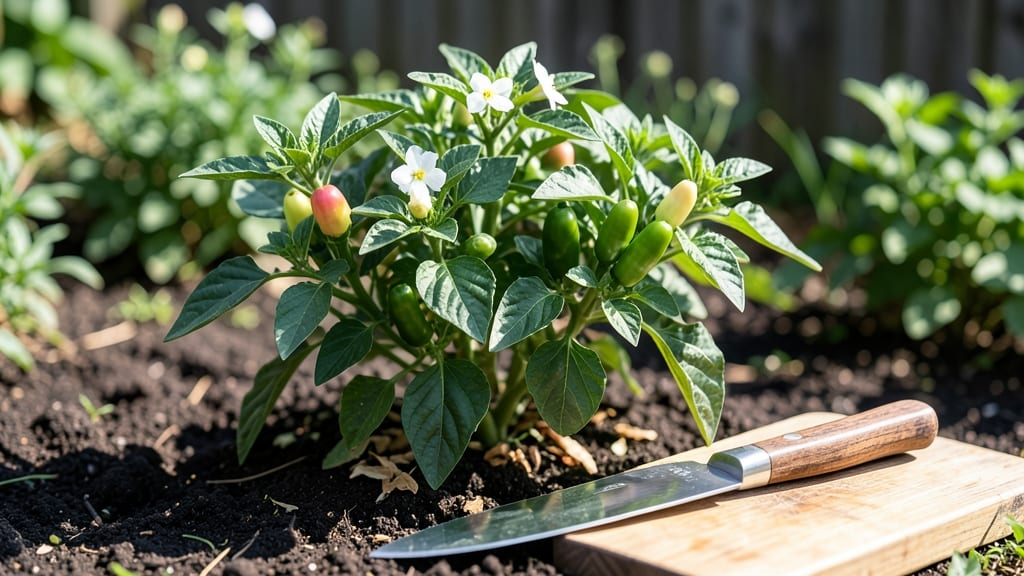
Cutting jalapeño peppers safely preserves their heat and flavor for months. ✂️ I’ve learned that the right technique—whether you’re drying, pickling, or cooking—starts with a sharp knife and clean workspace.
One wrong cut can ruin the pepper’s potency or even waste the harvest, but mastering this step unlocks endless uses from fresh salsas to long-term storage.
You’ll need a chef’s knife or paring knife, cutting board, gloves (if sensitive to capsaicin), and a bowl of cold water nearby—just in case your hands need a quick soak. The seeds and membranes contain most of the heat, so how you handle them depends on your recipe.
For milder peppers, leave them in; for fiery dishes, remove them entirely. Start by slicing off the stem end, then make a lengthwise cut from the blossom end to the stem.
Lay the pepper flat and slice into strips or dice as needed—thickness matters for drying (thin slices = crispy chips) or pickling (thicker = firmer texture). Rinse your knife between cuts to avoid cross-contamination if using for multiple dishes.
The real trick? Wear gloves if you’re not used to the burn, and never touch your face afterward. Store cut peppers in airtight containers in the fridge for up to a week, or dry them for shelf-stable heat.
Whether you’re making hot sauce or freezing for winter, this method ensures every bite packs the flavor you grew.
📚 In This Guide
- What you need
- Instructions
- Tips and common mistakes
- Wrapping up and next steps
What you need
- ● Fresh jalapeño peppers: 1–4 peppers (adjust based on your recipe). Choose firm, medium-sized peppers for even cutting.
- ● Sharp chef’s knife: 6–8 inches long (a serrated knife works best for slicing, while a chef’s knife is ideal for dicing or mincing).
- ● Cutting board: A sturdy, non-slip board (wood or plastic) to prevent slipping. Avoid glass!
- ● Paper towels or damp cloth: For wiping hands and the cutting board to reduce slippage.
- ○ Small bowl or plate: To hold seeds and membranes if removing them (optional but helpful for pickling or reducing heat).
- ● Cutting gloves: Thin, food-safe gloves to protect your hands from capsaicin (the compound that makes peppers spicy!).
- ● Microplane or grater: For finely grating jalapeños into sauces or salsas.
- ● Kitchen shears: Great for snipping stems or trimming peppers quickly.
- ● Food processor (pulse function): For mincing peppers into fine pieces for recipes like hot sauces.
- ● Vinegar or lemon juice: Ready to neutralize capsaicin if it touches your skin or eyes (keep nearby!).
Step-by-step guide to safely cutting jalapeño peppers
Here's how to handle jalapeños at every stage—from fresh to dried—without burning your hands or losing seeds.
✂️ Step 1: Wash and Prep Fresh Jalapeños
Start by rinsing your jalapeños under cool water to remove any dirt or residue from the garden. Pat them dry with a clean kitchen towel—damp peppers slip when cutting. I like to trim the stems first using a sharp knife or kitchen shears. Hold the pepper firmly and cut just above the stem attachment point to avoid tearing the flesh.
For extra safety, wear thin latex gloves if you're sensitive to capsaicin—the compound that makes peppers hot. The gloves won't stop the burn completely (capsaicin penetrates skin), but they'll reduce direct contact. If you don't have gloves, wash your hands thoroughly with soap and water immediately after handling.
🌱 Step 2: Remove Seeds and Membranes
Slice the jalapeño lengthwise from top to bottom, cutting through the stem end first. Lay the pepper flat and use your knife to carefully scrape out the seeds and white membranes. These contain most of the capsaicin, so removing them significantly reduces heat. I like to save the seeds for planting if I'm growing more peppers—just let them dry completely first.
Watch for the pepper's veins—they're the white stringy bits running through the flesh. These also carry heat, so scrape them out too. For milder jalapeños, leave a few seeds in if you want to preserve some spice. But if you're making hot sauces or pickles, remove everything for the cleanest flavor.
☀️ Step 3: Choose Your Cutting Style
Decide how you'll use the peppers before cutting them. For stuffing or grilling, leave them whole and slice open only when ready to cook. If you're dicing for salsas or stir-fries, cut into 1/4-inch pieces—smaller pieces cook faster and release more flavor. For pickling, slice into 1/8-inch rings or leave whole with slits to let the brine penetrate.
Here's the thing—jalapeños darken quickly when exposed to air. If you're not using them immediately, toss the cut pieces in a bowl of cold water to slow oxidation. This keeps them vibrant and fresh-tasting longer. Drain well before cooking or storing.
💧 Step 4: Store or Use Immediately
Fresh-cut jalapeños keep best in the refrigerator. Place them in an airtight container lined with a paper towel to absorb excess moisture. They'll stay fresh for 3-5 days this way. For longer storage, freeze the cut peppers in a single layer on a tray before transferring to a bag—this prevents them from sticking together.
If you're drying jalapeños for later use, slice them into 1/4-inch rings and thread them onto a string or place them on a dehydrator tray. Dry at 135°F for 2-4 hours until leathery. Store dried peppers in an airtight container away from light—they'll keep for months and add deep flavor to soups and stews.
🌿 Step 5: Clean Up Safely
After cutting, wash your knife and cutting board thoroughly with warm, soapy water. Capsaicin residue can linger and cause irritation next time you use them. I like to rub the board with a cut lemon or vinegar to neutralize any remaining heat compounds—it works surprisingly well.
Real talk: if you accidentally get pepper juice in your eyes, don't rub them. Rinse with cool water for 10-15 minutes while tilting your head to flush the eye. Keep a bowl of milk nearby when cutting—it helps neutralize capsaicin burns on skin or in the mouth if you take a bite by accident.
Tips & tricks for perfect jalapeño prep
Confession: I used to cut jalapeños without gloves, then wonder why my hands felt like they were on fire for hours. These tricks will make your pepper prep safer and more efficient.
Cutting Safety First: Always cut jalapeños with the stem end down—this prevents the seeds from flying everywhere when you slice. I also recommend using a sharp chef's knife (not a butter knife!) to avoid crushing the flesh, which releases more capsaicin. If you're extra sensitive, try a serrated knife for cleaner cuts that minimize skin contact.
Heat Control Technique: For milder peppers, leave the seeds and membranes intact when making salsas or quick stir-fries. But if you're making hot sauces or pickles, remove everything—including the veins—for the cleanest flavor. Pro tip: Use a spoon to scoop out seeds instead of your fingers to avoid direct contact with capsaicin.
Preventing Oxidation: Jalapeños darken quickly when cut. To keep them vibrant, immediately submerge sliced pieces in a bowl of ice water for 1-2 minutes, then drain well. This slows oxidation and preserves color. I do this especially when prepping for salads or garnishes where appearance matters.
Drying Perfection: When drying jalapeños at 135°F, check for doneness by testing flexibility—dried peppers should bend without snapping. For even drying, place them on a wire rack in a single layer. If using a dehydrator, rotate trays halfway through the 2-4 hour process to ensure consistent drying.
Pro Tips for Cut Jalapeno Peppers
- Confession: I used to cut jalapeños without gloves, then wonder why my hands felt like they were on fire for hours.
- Cutting Safety First: Always cut jalapeños with the stem end down—this prevents the seeds from flying everywhere when you slice.
- Heat Control Technique: For milder peppers, leave the seeds and membranes intact when making salsas or quick stir-fries.
Frequently asked questions
Got questions about slicing, dicing, or handling jalapeños? You’re not alone—these fiery peppers can be tricky! Below, we’ve rounded up the most common questions (and answers) to help you cut with confidence, whether you’re prepping for salsa, pickling, or grilling.
How do I cut a jalapeño without getting my hands too spicy?
Wear thick gloves (like rubber or nitrile) or handle the pepper by the stem and seeds. Rinse your hands with cold water immediately if they start tingling. For extra protection, use tongs or a knife to grip the pepper while cutting. Pro tip: Avoid touching your face or eyes afterward!
Can I cut jalapeños ahead of time and store them?
Yes! Store cut jalapeños in an airtight container with a paper towel to absorb moisture. Keep them in the fridge for up to 5 days or freeze them for 3–6 months. For freezing, toss them in olive oil or water to prevent browning. Pro tip: Label containers—spicy peppers don’t mix well with unsuspecting snackers!
How do I remove seeds without losing too much heat?
Seeds and membranes contain most of the capsaicin (the compound that makes jalapeños spicy). To reduce heat, slice the pepper lengthwise, then scrape out the seeds and white ribs with a spoon. For mild jalapeños, leave the seeds in—just wear gloves! Pro tip: If you accidentally touch your eyes, rinse with milk or oil (not water).
What’s the best way to cut jalapeños for pickling?
For pickling, slice them thinly (⅛-inch thick) or leave them whole with a small slit in the side. If using whole peppers, remove seeds and stems first. Soak slices in ice water for 10 minutes to dull the heat before pickling. Pro tip: Add a bay leaf or garlic to your brine for extra flavor!
My jalapeños are too spicy—how can I tone them down?
Soak cut jalapeños in cold water for 15–30 minutes to reduce capsaicin. For cooked dishes, balance the heat with acid (lemon juice), sweetness (honey), or dairy (sour cream, cheese). Pro tip: Roasting jalapeños first (char them in a dry pan) deepens flavor and mellows the spice slightly.
Can I substitute jalapeños with another pepper?
For milder heat, try serrano or banana peppers. Need more kick? Swap in serranos, Thai chiles, or habaneros (use half the amount!). Pro tip: If a recipe calls for jalapeños but you’re avoiding seeds, use Poblano peppers—they’re milder and seed-free when fresh.
Wrapping up and next steps
Mastering how to cut jalapeño peppers safely opens up a world of flavor—whether you're slicing for salsa, pickling, or garnishes! 🌶️ With the right technique, you can handle every stage of ripeness (from fresh to dried) like a pro. Remember: wear gloves, remove seeds carefully, and always wash your hands afterward.
Now that you’re equipped with these tips, go experiment! Try adding your freshly cut jalapeños to tacos, soups, or even homemade hot sauce. What will you cook first? 😋