
How To
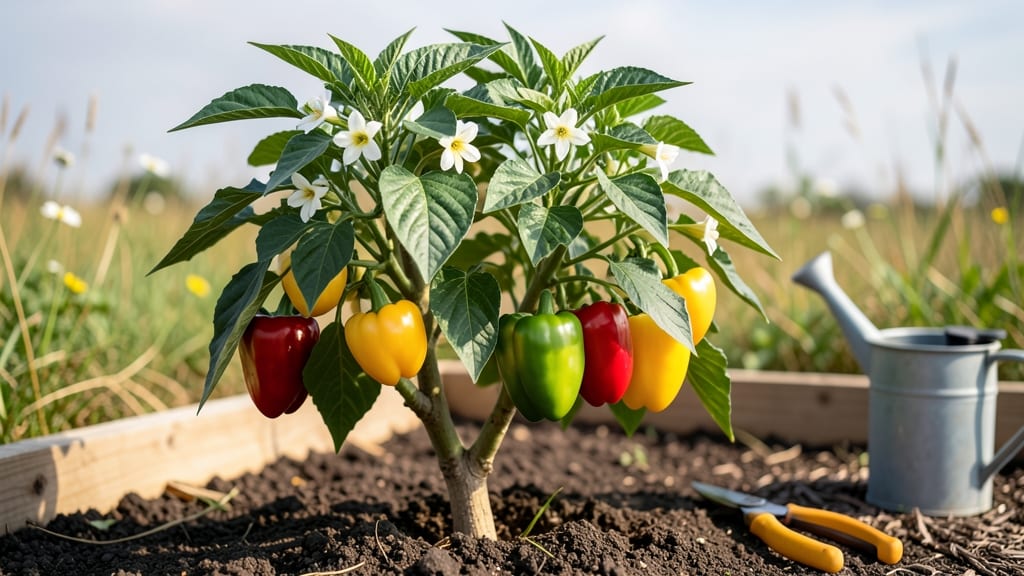
Growing pepper plants from seed to harvest is easier than you think—especially when you nail the sunlight, soil, and spacing. 🌱 I’ve grown everything from sweet bell peppers to fiery jalapeños, and the key difference between a thriving plant and a struggling one often comes down to these three basics.
Once you get them right, you’ll be harvesting peppers all season long, from late summer through fall.
The secret to happy pepper plants starts with 6+ hours of direct sunlight daily—they’re sun-worshippers that bolt (flower prematurely) when they don’t get enough light. Use well-draining soil with a pH between 6.0 and 7.0, and plant seeds ½ inch deep in warm soil (at least 70°F).
Containers work great too—just make sure they’re at least 12 inches wide to give roots room to stretch.
With the right care, your plants will reward you with vibrant green foliage and clusters of peppers that start small and grow bigger than your palm.
Water consistently at the soil level (not overhead) to keep leaves dry and prevent disease, and pinch off early flowers if you want bushier plants with more fruit later in the season.
Whether you’re growing in a backyard bed, raised planter, or sunny windowsill, these basics apply. The first harvest is the sweetest—imagine fresh peppers straight from your garden to your plate! Let’s get those seeds started.
What Triggers Pepper Plant Struggles
Understanding why your pepper plants act out is half the battle in fixing them. Peppers are resilient but need precise conditions to thrive—when those needs aren’t met, problems arise. Below, we break down the real culprits behind common pepper plant issues, explained in clear, science-backed terms.
Pepper plants are heavy feeders and demand nutrient-rich, well-draining soil. When soil lacks the right balance, growth stalls, leaves yellow, or plants wilt despite adequate water.
- Compacted or Clay Soil 🏗️ - Why it happens: Clay or overly dense soil traps water, cutting off oxygen roots need to absorb nutrients. Without airflow, roots suffocate, leading to root rot or stunted growth. - Science: Roots rely on aeration (air pockets) to respire.
Compacted soil forces roots to struggle, reducing water and nutrient uptake by up to 50%. - Actionable fix: Amend soil with compost, perlite, or coconut coir to improve drainage. Test soil pH (peppers thrive at 6.0–6.8).
- Nutrient Deficiencies 🧪 - Why it happens: Peppers need 16 essential nutrients, but poor soil often lacks nitrogen (N), phosphorus (P), or potassium (K)—the "NPK" trio. - Science: Nitrogen fuels leafy growth; phosphorus boosts root development and flowering; potassium regulates water balance.
A deficiency shows as: - Yellow lower leaves (N deficiency) - Purple stems/leaves (P deficiency) - Weak stems, poor fruit set (K deficiency) - Actionable fix: Use a balanced fertilizer (10-10-10) or compost tea every 4–6 weeks. For organic growers, try fish emulsion (N) or bone meal (P).
- Overly Acidic or Alkaline Soil 📉📈 - Why it happens: Peppers hate extremes.
Soil pH below 5.5 or above 7.5 locks out nutrients like iron, manganese, and zinc, even if they’re present. - Science: Nutrient availability depends on pH. For example, iron chlorosis (yellow leaves with green veins) occurs when soil pH >7.0, preventing iron uptake. - Actionable fix: Test soil pH with a home kit or lab test.
Adjust with: - Lime (to raise pH) - Sulfur or peat moss (to lower pH)
Peppers are sensitive to moisture extremes—too much or too little stresses them, inviting pests and diseases.
- Overwatering (Root Rot Risk) 🚨 - Why it happens: Peppers need consistent moisture but hate soggy roots. Overwatering leads to Phytophthora (a fungal root rot) or Pythium, which clog root cells, cutting off oxygen. - Science: Roots need 10–15% oxygen in soil.
Waterlogged conditions drop this to <5%, suffocating roots in 24–48 hours. - Actionable fix: - Water deeply 1–2 times per week (1 inch total) instead of daily shallow watering. - Use drip irrigation or soaker hoses to deliver water at soil level. - Ensure pots have drainage holes and raised beds have sandy loam for fast drainage.
- Underwatering (Stress Signals) 🌵 - Why it happens: Peppers wilt quickly when thirsty because their thick leaves lose water fast. Chronic underwatering weakens the plant, making it prone to sunscald or blossom-end rot. - Science: Peppers have shallow root systems (top 6–12 inches).
When soil dries out, roots can’t absorb water, causing transpiration stress (leaf wilting). - Actionable fix: - Stick your finger 1 inch into soil—if dry, water. Use a moisture meter for precision. - Mulch with straw or grass clippings to retain moisture and regulate temperature.
- Inconsistent Watering (Blossom-End Rot) 🍅❌ - Why it happens: Peppers need steady calcium uptake to develop cell walls.
Fluctuating moisture levels (e.g., dry soil followed by a deep watering) disrupts calcium absorption, causing blossom-end rot (black, leathery spots on fruit). - Science: Calcium moves passively in water—when soil dries out, roots can’t deliver enough calcium to growing fruit. - Actionable fix: - Water consistently (never let soil dry completely). - Add crushed eggshells or calcium nitrate to soil for extra calcium. - Harvest peppers when ¾ ripe to prevent over-maturation stress.
Peppers are tropical plants—they crave heat and light but collapse in extremes.
- Insufficient Sunlight (Leggy, Weak Plants) 🌿 - Why it happens: Peppers need 6–8+ hours of direct sunlight daily.
Less light triggers etiolation (stretched, weak stems) as the plant searches for light, making them prone to falling over or poor fruit set. - Science: Light drives photosynthesis, which produces energy for growth.
Low light reduces chlorophyll production, turning leaves pale green or yellow. - Actionable fix: - Place plants in full sun (south-facing windows or greenhouse). - Use grow lights (LED or fluorescent) for 12–14 hours/day if indoors. - Rotate pots weekly to ensure even light exposure.
- Heat Stress (Wilting or Sunburn) 🔥 - Why it happens: Peppers thrive in 70–85°F (21–29°C). Above 90°F (32°C), they wilting (even with water) due to stomatal closure (pores in leaves shut to conserve water).
Prolonged heat causes sunscald (white/yellow patches on leaves or fruit). - Science: High temperatures denature enzymes needed for photosynthesis, while UV radiation damages cell membranes. - Actionable fix: - Provide afternoon shade (use shade cloth 30–50%). - Mulch heavily to keep roots cool. - Water deeply in the morning to reduce evaporation.
- Cold Shock (Stunted Growth or Death) ❄️ - Why it happens: Peppers cannot tolerate frost (below 50°F/10°C). Cold slows metabolism, causing chlorosis (yellowing) or cell death.
Temperatures below 32°F (0°C) kill plants outright. - Science: Cold disrupts cell membrane integrity, leading to oxidative stress and nutrient uptake failure. - Actionable fix: - Start seeds indoors 8–10 weeks before last frost. - Use row covers or cold frames for early/late seasons. - Hardening off seedlings gradually (expose to outdoor temps for 1–2 hours daily, increasing time).
Peppers attract pests and fungi when stressed, creating a vicious cycle of decline.
- Pests (Aphids, Spider Mites, Hornworms) 🐛 - Why it happens: Weak plants (from poor soil/nutrients) are easier targets for pests. Aphids suck sap, causing curled leaves; spider mites thrive in dry heat; hornworms devour leaves overnight. - Science: Pests seek high-sugar, stressed plants.
For example, aphids inject toxins that distort new growth, while hornworms can defoliate a plant in 48 hours. - Actionable fix: - Neem oil or insecticidal soap for soft-bodied pests. - Handpick hornworms (look for green caterpillars with white stripes). - Encourage predators: Ladybugs (aphids), lacewings (mites),
Quick fixes for pepper plant problems
When your pepper plants start showing signs of distress, quick action can make all the difference. Below are practical, step-by-step solutions to common issues, along with prevention tips to keep your plants thriving.
Whether it’s pests, disease, or environmental stressors, these fixes will help you revive your peppers and prevent future problems.
If you spot holes in leaves, chewed stems, or tiny bugs crawling around, pests are likely the culprit. Here’s how to tackle them:
🔥 Aphids or Spider Mites?
- Fix: Spray plants with a soapy water solution (1 tsp mild dish soap + 1 quart water) or neem oil spray (1 tbsp neem oil + 1 quart water + a drop of dish soap).
Reapply every 5–7 days until pests disappear. - Prevention: - Encourage beneficial insects like ladybugs or lacewings by planting marigolds or basil nearby. - Inspect new plants before bringing them indoors or into the garden.
🍳 Hornworms or Caterpillars?
- Fix: Handpick them (they’re easy to spot—they’re big and green!) and drop them in soapy water.
For heavy infestations, use Bt (Bacillus thuringiensis), a natural bacterial pesticide safe for plants and humans. - Prevention: - Rotate crops yearly to disrupt pest life cycles. - Plant companion flowers like dill or fennel to attract parasitic wasps, which prey on caterpillars.
👨🍳 Whiteflies or Thrips?
- Fix: Place yellow sticky traps near plants to catch adults. For stubborn infestations, spray with neem oil or insecticidal soap (follow label instructions).
- Prevention:
- Keep plants healthy—stressed plants attract more pests.
- Remove weeds near pepper beds, as they harbor pests.
Peppers are sensitive to temperature swings, water issues, and poor soil. Here’s how to correct common environmental problems:
🥘 Overwatering or Root Rot
- Fix:
- Stop watering immediately and let the soil dry out.
- If roots are mushy or black, trim affected roots with sterilized scissors and repot in fresh, well-draining soil.
- Ensure pots have drainage holes and use a mix of potting soil + perlite (50/50).
- Prevention:
- Water only when the top 1–2 inches of soil are dry (stick your finger in to check!).
- Avoid soggy soil—peppers hate “wet feet.”
☀️ Too Much or Too Little Sun
- Fix:
- Too little sun? Move plants to a sunnier spot (peppers need 6–8 hours of direct sunlight daily).
- Too much sun? Provide light shade (like a sheer cloth) during peak afternoon heat, especially in desert climates.
- Prevention:
- Choose the right location—peppers thrive in full sun but may need afternoon shade in extreme heat.
- Use reflective mulch (like white gravel) to bounce light onto plants if sunlight is limited.
🌡️ Heat or Cold Stress
- Fix:
- Heat stress (wilting, yellowing): Provide afternoon shade and mulch to keep roots cool.
Mist leaves early in the morning to raise humidity slightly. - Cold stress (blackened leaves, stunted growth): Move pots indoors or cover plants with frost cloth if temperatures drop below 50°F (10°C). - Prevention: - Hardening off seedlings gradually before transplanting. - Avoid planting too early—wait until soil is at least 60°F (15°C).
Yellow leaves, stunted growth, or weak stems? Your peppers might be hungry or malnourished.
💡 Nitrogen Deficiency (Yellow Lower Leaves)
- Fix: Feed plants with a balanced fertilizer (like 10-10-10) or compost tea. Avoid over-fertilizing—peppers prefer moderate nitrogen.
- Prevention:
- Test soil before planting (ideal pH: 6.0–6.8).
- Side-dress with compost halfway through the growing season.
🥗 Calcium Deficiency (Blossom End Rot)
- Fix: Sprinkle crushed eggshells or calcium-rich fertilizer (like gypsum) around the base of plants. Keep soil consistently moist (not soggy).
- Prevention:
- Mulch heavily to retain moisture and prevent calcium uptake issues.
- Avoid overwatering—fluctuations cause this problem.
🌿 Magnesium Deficiency (Yellowing Between Leaf Veins)
- Fix: Apply Epsom salt (1 tbsp per gallon of water) as a foliar spray or soil drench.
- Prevention:
- Amend soil with aged compost before planting.
- Rotate crops to avoid depleting magnesium over time.
Fungal or bacterial diseases can spread quickly. Act fast to save your harvest!
🍄 Powdery Mildew (White Fuzzy Coating)
- Fix: Spray with a baking soda solution (1 tsp baking soda + 1 quart water + a drop of dish soap).
Improve air circulation by spacing plants 18–24 inches apart. - Prevention: - Water at the base (not overhead) to keep leaves dry. - Remove infected leaves immediately and dispose of them in the trash (not compost).
🍅 Bacterial Spot (Dark Spots with Yellow Halos)
- Fix: Remove severely infected leaves and spray with copper fungicide (follow label instructions).
Avoid overhead watering. - Prevention: - Rotate crops yearly to prevent soil-borne bacteria buildup. - Use resistant varieties like ‘Aristotle’ or ‘Carmen’ if bacterial spot is common in your area.
- 💡 Prune regularly to improve airflow and redirect energy to fruit production.
- 🌡️ Monitor weather forecasts and protect plants from sudden temperature drops.
- 🍅 Harvest peppers promptly—overripe peppers drain energy from the plant.
- 🔄 Save seeds from your best peppers for next year’s garden!
With these fixes, your pepper plants should bounce back stronger than ever. Happy growing! 🌱🌶️
Frequently asked questions about growing pepper plants
How long does it take for pepper plants to produce fruit?
Most pepper varieties take 60–90 days from transplant to harvest, depending on the type. Sweet bell peppers typically mature in 70–85 days, while hot varieties like jalapeños or serranos may take 65–75 days. Start counting from when you transplant seedlings outdoors—patience is key!
Can I grow pepper plants in containers? What size do I need?
Pepper plants thrive in containers as long as they have enough space. Use pots that are at least 12–18 inches wide and deep—this gives roots room to spread and prevents overcrowding. For bush varieties, 12 inches is fine, but taller types like banana peppers need 18+ inches. Just make sure pots have drainage holes to prevent root rot.
Why are my pepper plants flowering but not producing fruit?
This usually happens due to temperature stress (below 65°F/18°C or above 90°F/32°C) or poor pollination. Peppers need warm days and cool nights to set fruit. If indoors, gently shake plants or use a small brush to transfer pollen. For outdoor plants, attract bees with nearby flowers like basil or marigolds.
How do I save seeds from my homegrown peppers?
Let peppers fully ripen on the plant, then scoop out the seeds and ferment them in water for 2–3 days to remove pulp. Rinse seeds thoroughly, spread them on a paper towel to dry for 1–2 weeks, and store in a cool, dry place. Label varieties carefully—some peppers cross-pollinate! For best results, save seeds from open-pollinated (not hybrid) varieties.
What’s the best way to overwinter pepper plants?
Peppers are annuals, but you can extend their life by moving them indoors before frost. Prune back 1/3 of the plant and place in a sunny window or under grow lights (12–14 hours/day). Keep soil lightly moist and fertilize lightly every 4–6 weeks. Harvest any remaining peppers, but expect reduced production. In spring, harden off plants before replanting outdoors.