
Size
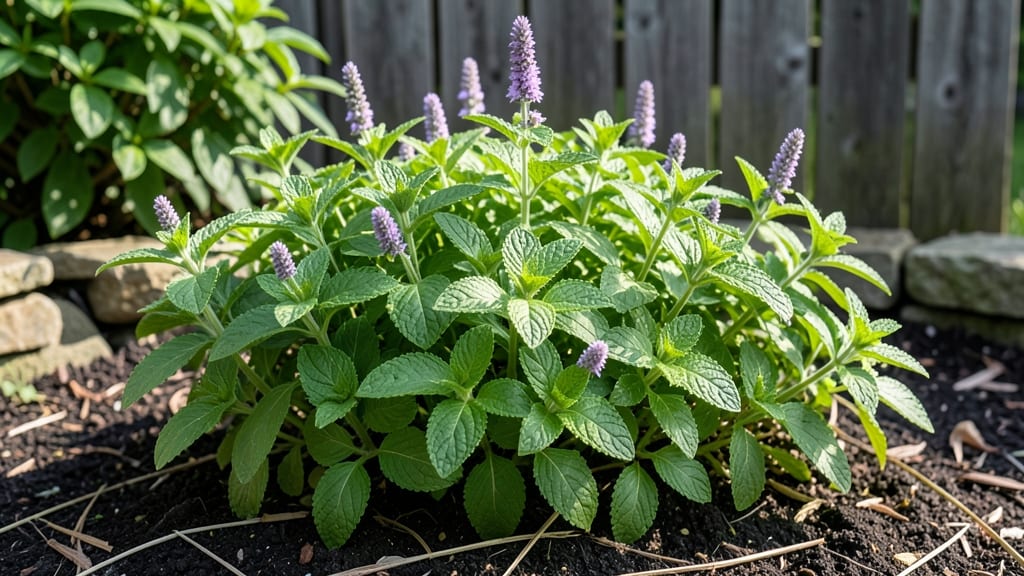
Growing peppermint plants from a single cutting gives you fragrant abundance in just a few months—no fancy greenhouse needed. ✨ I’ve turned a 12-inch pot into a mint factory by following three simple rules: the right soil mix, consistent moisture, and a little patience.
The smell alone makes it worth the effort, but the uses—tea, cocktails, even pest control—are endless.
Start with a 6-inch pot or a container with drainage holes, because peppermint spreads aggressively (more on that later). Fill it with a mix of potting soil and compost—peppermint thrives in rich, well-draining soil.
If you’re using cuttings, root them in water first for a week before transplanting. Seeds take longer to germinate, so cuttings are the foolproof choice for beginners.
Place your pot in partial shade—morning sun and afternoon shade work best—because full sun can scorch the leaves. Keep the soil moist but not soggy, and you’ll see new growth within 2-3 weeks.
The first harvest comes in 8-10 weeks, and once established, a single plant can produce pounds of mint every season.
Here’s the catch: peppermint is invasive. If you’re planting outdoors, use a container or bury it in a root barrier to keep it from taking over your garden. But indoors? It’s the perfect low-maintenance, high-reward plant. Ready to grow yours?
📚 In This Guide
- What you need
- Instructions
- Tips and common mistakes
- Wrapping up and next steps
What you need
- ● Peppermint seeds or cuttings: Seeds: 1 packet (50-100 seeds) or 1-2 seeds per pot (germination takes 14-21 days).
- ● OR Cuttings: 2-3 healthy stems (4-6 inches long) from an established peppermint plant.
- ● Containers or garden bed: Pots: 5-10 gallon containers (peppermint spreads aggressively—use deep pots with drainage holes).
- ● Garden bed: 6-12 inches deep, in partial shade (4+ hours of sunlight/day).
- ● Well-draining potting mix: 1 part peat moss or coconut coir + 1 part perlite or sand (for aeration).
- ○ Optional: Add compost (10-20%) for nutrients.
- ● Watering can or hose with a gentle spray nozzle (peppermint hates soggy roots!).
- ○ Mulch (optional but helpful): Straw or shredded leaves (1-2 inches thick) to retain moisture and suppress weeds.
- ● Garden trowel or small shovel (for planting cuttings/seeds).
- ● Pruning shears (to trim stems for cuttings or harvest).
- ○ Gloves (optional)—peppermint oil can irritate skin!
- ○ pH testing kit (optional): Aim for 6.0-7.0 (peppermint thrives in slightly acidic to neutral soil).
- ● Space: Peppermint spreads fast—dedicate it to containers or a contained garden bed to prevent takeover!
- ● Patience: Seeds take 3-4 months to mature; cuttings grow faster (2-3 months).
- ● Sunlight: 4+ hours of indirect light/day (morning sun is ideal).
- ● Water consistency: Keep soil moist but not waterlogged (overwatering = root rot!).
Step-by-step instructions for growing peppermint plants
Here's how to cultivate vigorous peppermint with minimal fuss—ideal for containers or small garden plots.
🌱 Step 1: Select the Right Location and Prepare Soil
Peppermint thrives in partial shade to full sun (3-6 hours daily), but too much direct sun scorches the leaves. I plant mine where morning sun warms the soil but afternoon shade protects foliage. Choose a spot with moist, well-draining soil—peppermint roots spread aggressively, so avoid planting near other herbs or vegetables.
Amend heavy clay soil with 2-3 inches of compost and a handful of perlite to improve drainage. Peppermint prefers a slightly acidic to neutral pH (6.0-7.0). If your soil is alkaline, work in sulfur or peat moss to lower the pH before planting. Test soil moisture by squeezing a handful—it should hold together but not feel soggy.
🪴 Step 2: Plant Cuttings or Divide Established Plants
Peppermint spreads rapidly from roots, so I always start with 4-inch cuttings from a healthy plant or purchase nursery starts. Plant in early spring after the last frost date, when soil temperatures reach at least 50°F. Dig a hole twice as wide as the root ball but no deeper—peppermint roots are shallow and dislike being buried too deeply.
Space plants 18-24 inches apart in rows 2 feet apart to prevent overcrowding. If growing in containers, use at least 12-inch pots with drainage holes. Fill the hole with water, let it drain, then place the plant so the top of the root ball sits level with the soil surface. Backfill with soil, firming gently around the base to eliminate air pockets.
💧 Step 3: Water and Maintain Consistent Moisture
Peppermint demands consistent moisture—never let the soil dry out completely. Water deeply 2-3 times per week, aiming for 1 inch of water per week, including rainfall. You’ll know moisture is right when the top 1-2 inches of soil feel damp but not saturated. Overwatering causes root rot, while underwatering leads to bitter-tasting leaves and stunted growth.
Mulch around plants with 2-3 inches of organic mulch (straw or shredded leaves) to retain soil moisture and suppress weeds. Mulch also keeps roots cool in summer and protects against frost in early spring. Replenish mulch as it breaks down, typically every 3-4 weeks during the growing season.
✂️ Step 4: Prune and Harvest for Optimal Growth
Pinch back the tips of new growth when plants reach 6-8 inches tall to encourage bushier, more productive plants. Regular pruning also prevents flowering, which diverts energy from leaf production. Harvest stems 3-4 inches long by cutting just above a leaf node with clean, sharp scissors. This encourages new growth and keeps the plant compact.
Harvest leaves morning to midday when essential oils are most concentrated. Avoid harvesting after heavy rain, as moisture dilutes the flavor. Store fresh leaves in the fridge for up to 1 week or dry them in a shady, well-ventilated area for later use. Never harvest more than one-third of the plant at a time—aggressive harvesting weakens the plant and reduces future yields.
⏰ Step 5: Overwinter and Control Spread
Peppermint is hardy in USDA zones 5-9 and will survive winter in the ground, but its aggressive roots can take over. In zones 5-6, mound 4-6 inches of mulch around the base in late fall to insulate roots. In colder zones, cut back foliage to 2 inches tall before winter and protect with a thick layer of straw or burlap.
To control spread, install underground barriers (like buried plastic or metal edging) if planting in garden beds. In containers, peppermint stays manageable, but empty pots and refresh soil annually to prevent nutrient depletion. Divide established plants every 2-3 years in early spring to rejuvenate growth and share with others.
Tips & tricks for growing peppermint plants
Here's what nobody tells you about growing peppermint that'll make all the difference between a struggling plant and a thriving, fragrant garden.
Location Nuances: While peppermint thrives in 3-6 hours of daily sun, the key is timing—morning sun is ideal because it warms the soil gently without scorching leaves. I've found that planting near taller perennials or under deciduous trees provides perfect afternoon shade. If you're in a hot climate, consider a 50% shade cloth during peak summer hours to prevent leaf burn, especially when soil temperatures exceed 80°F.
Root Management: Peppermint's aggressive roots can make it invasive, but you can work with this trait. In containers, use pots with at least 12-inch depth and add a layer of landscape fabric at the bottom before soil to contain roots while still allowing drainage. For garden beds, install underground barriers like buried plastic edging at least 12 inches deep—this prevents roots from spreading while still allowing the plant to access moisture. I've seen roots grow up to 5 feet in a single season if unchecked!
Watering Wisdom: The 1-inch weekly watering guideline is perfect, but timing matters just as much. Water in the morning so leaves have time to dry before evening, preventing fungal issues. I use a moisture meter to check soil dampness—aim for 30-40% moisture at the 1-2 inch depth. During the first few weeks after planting, I water every other day until the plant establishes a strong root system, then gradually reduce to the 2-3 times weekly schedule.
Harvesting Strategy: When harvesting those 3-4 inch stems, always cut just above a leaf node to encourage new growth from that point. I've found that harvesting every 4-6 weeks keeps plants bushier and more productive than waiting until they get too large. For drying leaves, I bundle stems and hang them upside down in a dark, well-ventilated area—this preserves the vibrant green color and prevents mold. Store dried leaves in airtight containers away from light to maintain their potency for up to a year.
Pro Tips for Grow Peppermint Plants
- Here's what nobody tells you about growing peppermint that'll make all the difference between a struggling plant and a thriving, fragrant garden.
- Location Nuances: While peppermint thrives in 3-6 hours of daily sun, the key is timing—morning sun is ideal because it warms the soil gently without scorching leaves.
- Root Management: Peppermint's aggressive roots can make it invasive, but you can work with this trait.
Frequently asked questions
Got questions about growing peppermint? You’re not alone! Here are answers to the most common queries to help you cultivate a thriving, fragrant garden—even in small spaces.
Can I grow peppermint indoors?
Peppermint thrives indoors with 6+ hours of sunlight daily (a sunny windowsill or grow lights work). Use a 6-inch pot with drainage holes and keep soil moist but not soggy. Just watch for aggressive roots—contain them with a root barrier if needed!
How long does it take for peppermint to grow?
From seeds, expect 6–8 weeks for sprouts, with harvest-ready leaves in 8–12 weeks. If propagating from cuttings, you’ll see growth in 2–3 weeks. Patience pays off—peppermint spreads fast once established!
Why is my peppermint turning yellow?
Yellowing leaves often signal overwatering (peppermint hates wet feet) or nutrient deficiency. Check soil moisture—it should feel damp but not muddy. For a boost, use a balanced fertilizer (like 10-10-10) every 4–6 weeks. Yellow edges? It might need more sunlight!
Can I use peppermint leaves fresh from the plant?
Yes! Fresh peppermint leaves are most potent for teas, garnishes, or homemade remedies. Pick leaves in the morning after dew dries. For long-term use, dry or freeze them—strip leaves, lay flat, and dry in a dark, airy spot (or use a dehydrator). Store in jars for up to 6 months.
What’s the best climate for peppermint?
Peppermint loves cool to moderate climates (USDA zones 3–9). In hot summers, it may bolt (flower prematurely), reducing leaf quality. For warmer areas, grow it in partial shade or a container to control temperature. Mulch helps retain moisture and keep roots cool!
Wrapping up and next steps
Growing peppermint is a rewarding and low-maintenance way to enjoy fresh, fragrant herbs year-round—even in small spaces! 🌿 With just a few essentials like sunlight, well-draining soil, and consistent watering, you’ll be harvesting lush, vibrant plants in no time.
Whether you’re a beginner or a seasoned gardener, the key is patience and a little care.
Now that you’re armed with the know-how, roll up your sleeves and get planting! Once your peppermint thrives, consider sharing cuttings with friends or experimenting with homemade remedies, teas, or cocktails. Happy growing! 🌱✨