
Pests
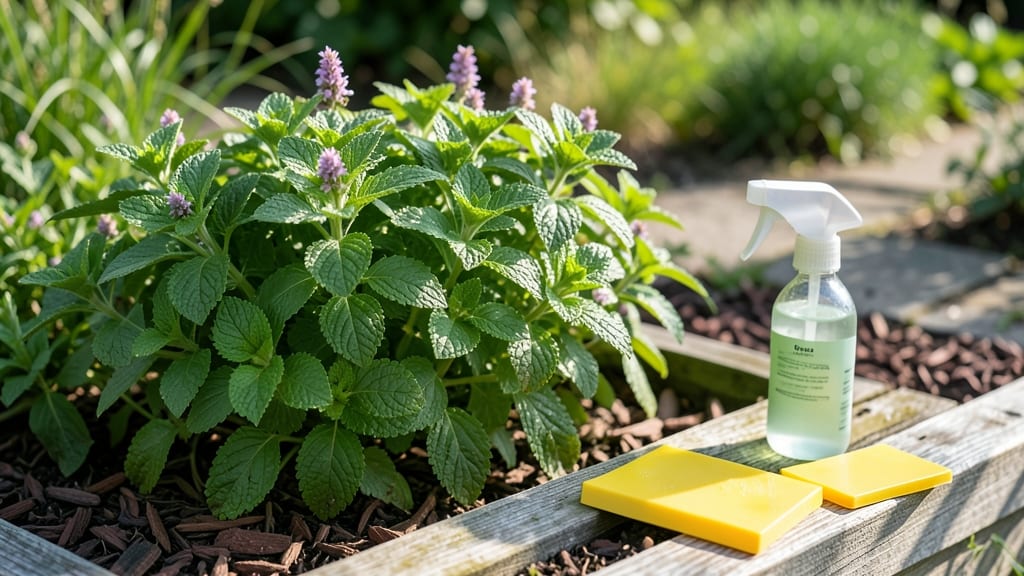
That peppermint pest control spray is the secret weapon I’ve used to keep ants, aphids, and even mosquitoes out of my garden—without toxic chemicals. 🌿 The scent alone disrupts pests’ ability to find your plants, and the best part?
It’s made from ingredients you likely already have at home.
My go-to recipe mixes 1 cup water, 1 cup vodka or rubbing alcohol (as an emulsifier), and 10-15 drops of pure peppermint essential oil—shaken in a spray bottle. The alcohol helps the oil disperse better, so it works faster.
Test it on a small area first, though, because some plants (like mint itself) can get overwhelmed by the concentration.
You’ll notice pests scattering within minutes of spraying, and the effect lasts 1-2 weeks with reapplication. It’s especially effective against soft-bodied insects like aphids and spider mites, plus it masks the scents that attract mosquitoes.
The downside? Rain washes it away, so timing matters—spray in the late afternoon for best results.
For extra protection, plant peppermint or other strong-scented herbs like lavender or basil near problem areas. Just be warned: peppermint is invasive, so contain it in pots if you don’t want it taking over.
This method is 100% organic, safe for kids and pets (when used correctly), and way cheaper than store-bought sprays.
Root Causes Of Pest Invasions
Pests don’t just show up out of nowhere—they’re drawn to your home or garden for specific reasons. Understanding these triggers is key to preventing future infestations and making peppermint-based pest control truly effective.
Below, we break down the science behind why pests invade, so you can address the problem at its source.
Pests like moths, beetles, and even rodents are often lured by the very plants you’ve grown to love. Many common garden favorites—such as mint, lavender, or fruit-bearing shrubs—emit scents or produce nectar that signal an easy food source.
Even overgrown weeds or mulch piles can harbor pests by providing shelter and moisture.
Why it happens:
- Scent trails: Strong floral or fruity aromas act like invisible dinner bells, guiding insects from miles away.
- Moisture retention: Dense foliage traps humidity, creating ideal breeding grounds for slugs, snails, and fungal-loving pests.
- Sugar-rich sap: Trees like maple or fruit trees exude sticky sap that attracts ants, wasps, and aphids.
Actionable fix:
- Replace high-risk plants with pest-repelling alternatives (like peppermint or rosemary).
- Trim back overgrown areas to reduce hiding spots.
- Use gravel or bark mulch instead of organic mulch to deter moisture-loving pests.
One of the biggest mistakes homeowners make is leaving food accessible—whether it’s crumbs under the sink, unsealed trash, or pet food left out overnight. Pests have an incredible sense of smell and can detect food sources from up to 100 feet away.
Why it happens:
- Protein and sugar cues: Cockroaches, rodents, and flies are drawn to grease, meat, or sugary residues.
- Decaying organic matter: Compost bins or rotting fruit emit volatile organic compounds (VOCs) that pests find irresistible.
- Pet food myths: Many believe dry kibble is safe, but moisture from spills or wet food creates a magnet for ants and rodents.
Actionable fix:
- Store food in airtight containers (glass or metal are best).
- Take out trash nightly and use sealed bins with locks.
- Clean spills immediately—especially sticky residues like soda or jam.
Even the smallest cracks or holes can serve as a grand entrance for pests. Spiders, ants, and even mice can squeeze through openings as thin as 1/4 inch, while larger pests like rats need just 1 inch to invade.
Why it happens:
- Structural weaknesses: Weathering, aging wood, or poor construction leave gaps.
- Utility access: Pipes, vents, and cables often lack proper sealing, creating easy entry.
- Seasonal shifts: Temperature changes cause wood to expand/contract, widening cracks.
Actionable fix:
- Seal gaps with steel wool + caulk (pests can’t chew through it).
- Install door sweeps and window screens to block entry.
- Check for roof damage—even tiny holes can let in pests during rain.
Pests are highly sensitive to temperature and humidity. As seasons change, they migrate toward environments that offer shelter, food, and ideal breeding conditions.
For example: - Spring: Warmer temps wake up dormant pests (ants, termites). - Summer: High humidity attracts mosquitoes and fungus-loving beetles. - Fall: Cooling air drives pests indoors in search of warmth.
Why it happens:
- Thermal regulation: Pests seek microclimates (like attics or basements) that stay consistent in temperature.
- Rainfall patterns: Excess moisture softens wood, making it easier for termites to bore in.
- Drought stress: Plants under stress release more sugars, attracting sap-sucking insects.
Actionable fix:
- Use dehumidifiers in basements to deter moisture-loving pests.
- Insulate entry points (like crawl spaces) to disrupt seasonal migration routes.
- Prune trees away from your home to reduce pest “highways” during storms.
When pests are repeatedly exposed to synthetic pesticides, they develop resistance, making traditional sprays ineffective. This forces them to seek out untreated areas—like your garden or home—for food and shelter.
Why it happens:
- Genetic adaptation: Pests with natural resistance survive and reproduce, passing on the trait.
- Behavioral shifts: Some pests avoid treated areas, leading to super-infestations in untreated zones.
- Ecosystem disruption: Harsh chemicals kill natural predators (like ladybugs), leaving pests unchecked.
Actionable fix:
- Rotate natural repellents (like peppermint oil) to prevent resistance.
- Introduce beneficial insects (ladybugs, praying mantises) to control pest populations organically.
- Reduce chemical use—opt for targeted sprays instead of broad applications.
From leaving doors ajar to storing firewood near the house, everyday habits can unintentionally create pest paradises. Even well-meaning actions—like composting or bird-feeding—can backfire if not managed properly.
Why it happens:
- Unchecked compost: Improperly maintained piles attract flies, rodents, and even skunks.
- Open doors/windows: A screen door left unlatched is an open invitation to flies and mosquitoes.
- Firewood storage: Stacking wood near your home provides shelter for spiders, ants, and termites.
Actionable fix:
- Compost in sealed bins with tight lids.
- Keep doors closed during peak pest hours (dawn/dusk).
- Store firewood at least 20 feet from your home and elevate it off the ground.
Natural fixes for unwanted crawlers
Pests can turn your home or garden into an unwelcome playground, but peppermint isn’t just a flavor—it’s a powerful, non-toxic weapon against bugs.
Whether you’re dealing with ants marching through your kitchen, spiders setting up shop in corners, or rodents eyeing your pantry, peppermint’s sharp scent and natural compounds can send them packing. Below, we break down targeted solutions for common pests, paired with prevention tips to keep them from returning.
Ants are drawn to food crumbs and moisture, but they hate peppermint’s strong aroma. Here’s how to kick them out for good:
🔥 Quick Fix: Peppermint Oil Spray
What you’ll need:
- 1 cup water
- 10–15 drops peppermint essential oil
- Spray bottle
Steps:
- Mix the solution in a spray bottle, shaking well to emulsify the oil.
- Target entry points: Spray along baseboards, windowsills, doorways, and near food sources (like trash cans or pet bowls).
- Reapply every 2–3 days or after cleaning, as the scent fades.
💡 Pro Tip: Add a few drops of tea tree oil (another ant repellent) for extra potency.
🏡 Prevention: Seal and Scatter
- Seal cracks in walls, floors, and foundations with caulk to block entry.
- Place cotton balls soaked in peppermint oil near ant trails or problem areas.
- Keep surfaces clean: Wipe counters, sweep floors, and store food in airtight containers.
Spiders avoid peppermint’s scent because it irritates their respiratory systems. Use this to your advantage:
🍳 DIY Peppermint Spider Repellent
What you’ll need:
- 1 cup rubbing alcohol (or vodka)
- 10 drops peppermint essential oil
- Spray bottle
Steps:
- Combine ingredients in the bottle and shake vigorously.
- Spray along walls, ceilings, and window frames—especially in dark, damp areas where spiders lurk.
- Wipe down webs with a damp cloth dipped in the mixture to dissolve silk and deter return visits.
🌡️ Pro Tip: Spiders hate citrus and eucalyptus too—mix a few drops of lemon or eucalyptus oil for a stronger effect.
🎯 Prevention: Disrupt Their Habitat
- Reduce clutter: Spiders love hiding in piles of paper, clothes, or cardboard.
Store items in sealed bins. - Ventilate damp areas: Fix leaks and use dehumidifiers in basements or bathrooms. - Install fans: Spiders dislike airflow—place a small fan near entryways to discourage them.
Mice and rats have a sensitive sense of smell, and peppermint is enough to make them seek shelter elsewhere.
👨🍳 Peppermint Oil Trap or Barrier
What you’ll need:
- Cotton balls or small cloth strips
- Peppermint essential oil
- Bowl of water (optional)
Steps:
- Soak cotton balls in peppermint oil and place them:
- In corners of rooms.
- Near entry points (under sinks, along baseboards).
- Inside mousetraps (dab a drop on the trigger area to repel without harming the pest).
- For severe infestations, mix 1 part peppermint oil with 10 parts water in a spray bottle and mist along walls and floors.
✨ Pro Tip: Combine with cloves or cayenne pepper for a multi-sensory repellent rodents can’t resist.
⏰ Prevention: Fortify Your Home
- Block entry points: Steel wool or hardware cloth over holes larger than a quarter-inch.
- Store food properly: Use metal or glass containers, not cardboard or plastic.
- Keep outdoor areas tidy: Remove brush piles, leaf litter, and debris where rodents nest.
Peppermint isn’t just for ground-dwellers—it’s also effective against flying and scurrying pests.
🔪 Peppermint Fly and Mosquito Repellent
What you’ll need:
- 1 cup apple cider vinegar (or water)
- 15 drops peppermint oil
- 5 drops lemongrass oil (optional)
- Small bowl or spray bottle
Steps:
- Mix ingredients in a bowl and place it near doors, windows, or outdoor seating areas.
- For flying pests, spray a diluted mix (1:10 oil-to-water ratio) around screens, patios, or near trash bins.
- Refresh every few hours on hot days when bugs are most active.
💡 Pro Tip: Add a few drops to your laundry rinse cycle to repel moths and silverfish from clothes.
🏡 Prevention: Break the Cycle
- Install screens on windows and doors to block entry.
- Clean up spills and standing water—flies and mosquitoes breed in moist areas.
- Use outdoor lighting sparingly: Bright lights attract pests; opt for yellow bug lights instead.
While peppermint oil is non-toxic for humans and pets (when used properly), follow these guidelines:
- Dilute essential oils—never apply undiluted to skin or surfaces.
- Keep out of reach of pets: Some animals (like cats) are sensitive to essential oils.
- Test surfaces first: Peppermint oil can stain or damage certain materials (e.g., painted wood, plastic).
By combining peppermint’s natural repellent power with smart prevention, you can create a pest-free zone without harsh chemicals. Try one method at a time, observe the results, and adjust as needed—your home (and your sanity) will thank you!
Frequently asked questions
Can I use peppermint oil safely around pets?
Peppermint oil is generally safe for dogs in very diluted amounts, but it can be toxic to cats and small animals. Always use a 1:10 ratio (1 drop per 10 drops of water) and keep pets away during application. For cats, avoid essential oils entirely—opt for physical barriers like cotton balls soaked in oil placed where pets can't reach.
How long does peppermint pest control last?
The repellent effect typically lasts 1-2 weeks before needing reapplication, especially outdoors where rain or wind can dilute the scent. For indoor use, the duration depends on surface porosity—hard floors last longer than fabrics. Test small areas first to check for staining or residue buildup.
Will peppermint oil work on termites?
While peppermint oil repels many insects, it's not effective against termites because they don't rely on scent for navigation like ants or mosquitoes. For termites, focus on eliminating moisture sources and using physical barriers like sand or metal treatments around foundations.
Can I make peppermint pest control without alcohol?
Yes! Replace alcohol with 1 tablespoon of dish soap as an emulsifier. Mix 1 cup water + 10 drops peppermint oil + 1 tsp dish soap in a spray bottle. The soap helps disperse the oil better, though the scent may fade slightly faster than alcohol-based versions.
Why does peppermint work better for some pests than others?
Peppermint's effectiveness varies because different pests have unique sensory systems. Soft-bodied insects like aphids and spider mites are highly sensitive to its menthol compounds, while hard-shelled pests (beetles) may be less affected. The oil also disrupts pheromone trails that ants use to communicate, making it particularly potent against them.