
How To
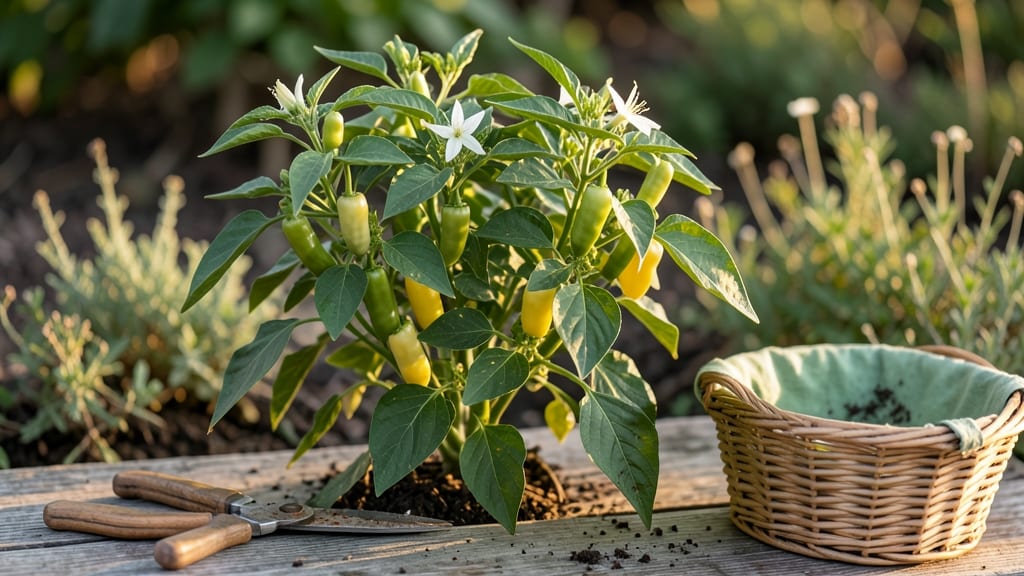
To know when to pick banana peppers 🌶️, watch for the perfect blend of color, size, and firmness—because harvesting too early means mild flavor, while waiting too long can turn them bitter.
Picture this: your garden is bursting with bright yellow banana peppers, but you’re not sure if they’re ready. Or maybe you’ve picked them green by accident and ended up with a milder taste than expected.
The truth is, timing is everything—especially since these peppers can ripen from green to golden yellow (or even red) in just a few weeks.
In this guide, I’ll break down the 3 key color cues that signal sweetness, plus how to test for firmness and flavor. You’ll also learn how to avoid common mistakes, like harvesting before the pepper fully matures or waiting until frost hits.
By the end, you’ll confidently pick your banana peppers at their peak—whether you’re stuffing them, pickling them, or slicing them fresh into salsas. Let’s get started!

Banana pepper ripening stages by color: when to harvest for sweetness
Banana peppers transform dramatically as they ripen, shifting from bright green to golden yellow and sometimes deep red. Each color stage signals a distinct flavor profile—from grassy and mild to sweet and slightly spicy. Understanding these color cues ensures you harvest at peak sweetness rather than bitterness.
The ripening process begins with green peppers, which are firm and slightly bitter. As they mature, they develop a yellow hue, becoming sweeter and more tender.
Finally, red banana peppers offer the highest sugar content, though they’re rarer in standard varieties. Timing your harvest based on these stages maximizes flavor and texture.
Here’s a quick reference for each color stage, including ideal harvest windows and flavor notes to guide your decisions:
For green banana peppers, harvest when they reach 2–3 inches in length and feel firm but yield slightly to gentle pressure. These peppers are best for pickling or stir-fries, where their crisp texture shines.
Wait until the stem end turns yellow or red for the sweetest flavor, as this indicates full maturity.
Yellow banana peppers are the sweetest stage for most gardeners, offering a perfect balance of flavor and tenderness. They’re ideal for fresh eating, salads, or grilling.
If you’re growing a red-ripening variety, wait until the pepper is fully colored—even a hint of green means it’s not yet ripe enough for peak sweetness.
Overripe peppers lose their crispness and develop a mealy texture, while underripe ones remain bitter. To test ripeness, gently squeeze the pepper: it should feel firm but slightly yielding, like a ripe avocado. If it’s rock-hard, it’s not ready; if it’s mushy, it’s past its prime.
Harvest in the morning when temperatures are cool to preserve flavor and texture. Use clean pruning shears or your fingers to twist the pepper gently from the stem.
Avoid tugging, which can damage the plant. Store harvested peppers in a paper bag in the fridge for up to 2 weeks to slow further ripening.
Pro tip: Taste-test a few peppers at each stage to refine your palate. Some varieties, like the ‘Golden Banana’, ripen fully to yellow, while others, like ‘Red Banana’, develop a deep red hue. Adjust your harvest timing based on your plant’s specific traits and your flavor preferences.
🌶️ Remember, the sweetest peppers are those harvested at the right moment—neither too green nor overripe. With these color cues, you’ll never miss the perfect harvest again!
3 Key signs your banana peppers are ready to pick (beyond color)
Color isn’t the only way to tell when your banana peppers are ready for harvest. While green-to-yellow transitions are classic, relying solely on hue can lead to overripe or underripe peppers.
To avoid bitter surprises, focus on these three key signs that confirm peak ripeness—regardless of color. These cues ensure you’re harvesting at the perfect moment for maximum sweetness and crunch.
Many gardeners make the mistake of waiting for full red color, only to discover their peppers have turned mealy or wrinkled—a sure sign they’ve passed their prime. Instead, combine color with these physical indicators to guarantee a harvest that’s both flavorful and fresh.
For example, a pepper might be yellow but still firm and small, meaning it needs more time on the vine.
-
1Size and Shape: Aim for 2–3 inches long with a plump, curved shape. Smaller peppers are still developing, while oversized ones may be tough or seedy. Hold the pepper against a ruler to check—this is the sweet spot for both texture and flavor.
-
2Firmness Test: Gently press the pepper with your thumb. It should feel firm but slightly yielding, like a ripe avocado. If it’s rock-hard, it’s underripe; if it’s soft or dented, it’s overripe. This test works for green, yellow, or red peppers alike.
-
3Stem Separation: Twist the pepper gently at its base. If the stem snaps cleanly (without tearing the pepper), it’s ready. If it resists, wait a few days. This method prevents damage to the plant and ensures you’re harvesting at the right moment—even if the pepper isn’t fully colored yet.
Don’t overlook the stem end of your pepper—a quick visual check can save you from picking too early. If the stem remains green, the pepper isn’t fully ripe, even if the rest of it has turned yellow or orange.
This is a common oversight, but paying attention to this detail ensures you’re harvesting peppers with the best balance of sweetness and crunch.
Another pro tip? Taste test one pepper before committing to a full harvest. If it’s still slightly bitter or underdeveloped, give the remaining peppers a few more days. This simple step can make the difference between a mild, sweet pepper and one that’s overly spicy or tough.
Remember, banana peppers are at their peak when they’re firm, glossy, and fully colored—not when they’re wrinkled or shriveled.
Timing your harvest correctly also depends on your climate zone. In warmer regions, peppers may ripen faster, while cooler areas might need extra time. If frost is on the horizon, prioritize harvesting yellow or red peppers first, as they’re more heat-tolerant and can handle a brief chill.
Green peppers, however, are more sensitive to cold and should be picked before temperatures drop below 50°F.
Once you’ve mastered these signs, you’ll never second-guess when to pick your banana peppers again. The key is combining color cues with physical tests—this dual approach guarantees a harvest that’s both abundant and delicious. Happy picking! 🌶️