
Planting
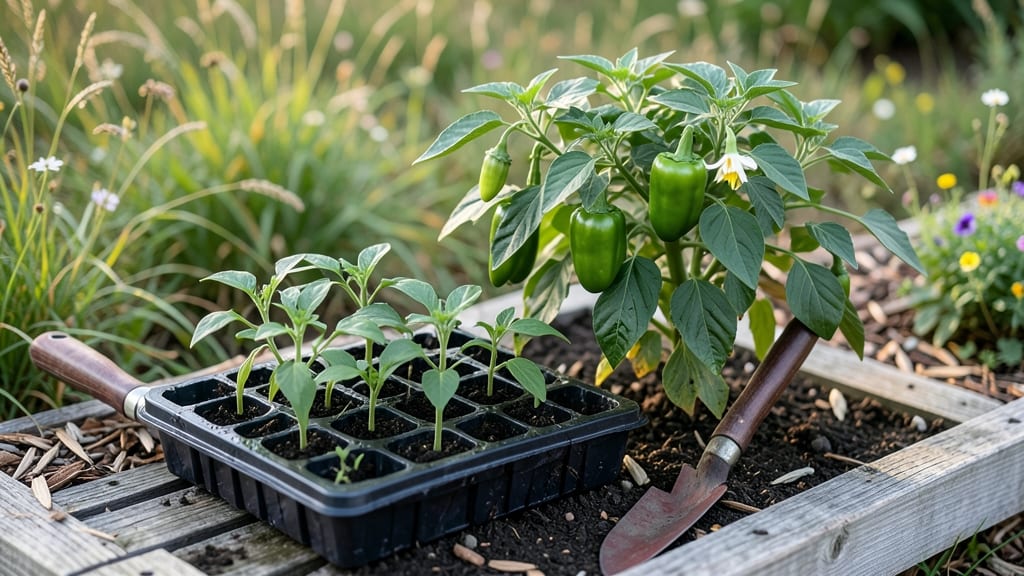
Planting green pepper plants 🌶️ the right way is the difference between a garden full of vibrant peppers and one that barely produces a thing.
Struggling to grow lush green pepper plants that produce bountiful harvests? The secret lies in mastering the perfect planting technique—from precise spacing to ideal sunlight exposure—all of which can make or break your garden’s success.
Most gardeners focus on soil quality and watering, but even the richest dirt won’t save you if your peppers are crammed too close or buried too deep.
I’ve learned the hard way that 18 inches of space between plants isn’t just a suggestion—it’s a rule for avoiding blight and maximizing fruit.
In this guide, you’ll discover the exact depth to bury those roots, how to tell if your spot gets enough sun, and the 3 most common mistakes that kill pepper plants before they even flower. Let’s get those 🌶️ thriving!
Green pepper planting depth and spacing: the exact measurements for maximum yield
When it comes to growing green pepper plants, getting the planting depth and spacing right is non-negotiable. These two factors directly impact your plant's health, yield, and resistance to diseases like powdery mildew.
Too close together, and your peppers will compete for nutrients; too deep or shallow, and you risk stunted roots or poor germination.
I’ve learned from years of trial-and-error gardening that 1.5 to 2 inches deep is the sweet spot for planting seeds, while transplants need slightly shallower placement—just enough to cover the root ball without burying the stem.
Let’s dive into the exact measurements and spacing rules that’ll set your green pepper plants up for success.
🌱 Pro Tip: Always loosen the soil to 6 inches deep before planting. This ensures roots can spread easily without hitting compacted layers. Amend the soil with compost or aged manure to boost drainage and fertility—peppers hate soggy roots!
For in-ground planting, I recommend spacing green pepper plants 18–24 inches apart in rows that are 24–36 inches apart. This gives them room to grow without shading each other, which is crucial for fruit production.
If you’re growing dwarf varieties, you can cut spacing to 12–18 inches since they stay smaller.
Container gardening changes the game. A 5-gallon pot can comfortably hold 1–2 pepper plants, but if you’re growing bush varieties, you can fit 3–4 plants in a larger container.
Just ensure each plant has its own drainage hole—peppers despise waterlogged roots, and containers can trap moisture faster than in-ground beds.
One mistake I see often is burying the stem too deep when transplanting. The soil line on the stem should sit just above ground level. Burying it deeper can cause the stem to rot, while planting too shallowly leaves roots exposed and vulnerable to drying out.
Always water thoroughly after planting to help settle the soil around the roots.
To prevent disease spread, rotate your pepper plants next season. Avoid planting them in the same spot for at least 3 years, as this breaks the cycle of soil-borne pathogens.
And if your garden has poor drainage, consider raised beds—peppers thrive in well-draining, slightly acidic soil (pH 6.0–6.8).
Finally, mulch around your plants with straw or shredded leaves to retain moisture and suppress weeds. This simple step can boost yields by up to 20% by keeping roots cool and soil consistently moist. Just keep the mulch 2–3 inches away from the stem to prevent rot.
With these exact measurements and care tips, your green pepper plants will grow strong, produce abundantly, and reward you with juicy, flavorful peppers all season long. Happy planting! 🌿
Sunlight requirements for green peppers: how much light do they need to thrive?
Green peppers thrive in full sun, but many gardeners struggle to provide enough light for optimal growth. Without sufficient sunlight, your plants may produce fewer peppers or develop weak, leggy stems. Understanding your garden's sunlight patterns is key to growing healthy, productive green pepper plants.
Most green pepper varieties need 6-8 hours of direct sunlight daily. This means placing them in the sunniest spot available, typically a south-facing location in the Northern Hemisphere. Morning sun is ideal, as it gently warms the plants without the intense heat of afternoon rays.
🌶️ Pro Tip: Use a sunlight tracker for a week to map your garden's light exposure. Mark areas with full sun (6+ hours), partial shade (3-6 hours), and deep shade (less than 3 hours).
If your garden lacks natural sunlight, consider using grow lights or reflective surfaces like white walls or aluminum foil. These can bounce extra light onto your plants, mimicking full sun conditions. LED grow lights with a full-spectrum bulb are especially effective for indoor or shady gardens.
Watch for signs of insufficient light, such as yellowing leaves, slow growth, or peppers that fail to ripen. These symptoms indicate your plants need more sunlight. In severe cases, peppers may drop prematurely or develop blossom end rot due to weak plant health.
For container gardens, place pots near south-facing windows or use adjustable light stands. Rotate containers weekly to ensure even growth. Remember, even 6 hours of morning sun is better than 6 hours of afternoon sun, as it reduces heat stress on the plants.
🌿 By optimizing sunlight exposure, you'll encourage stronger stems, healthier foliage, and a bountiful harvest of sweet, flavorful green peppers all season long.