
Planting
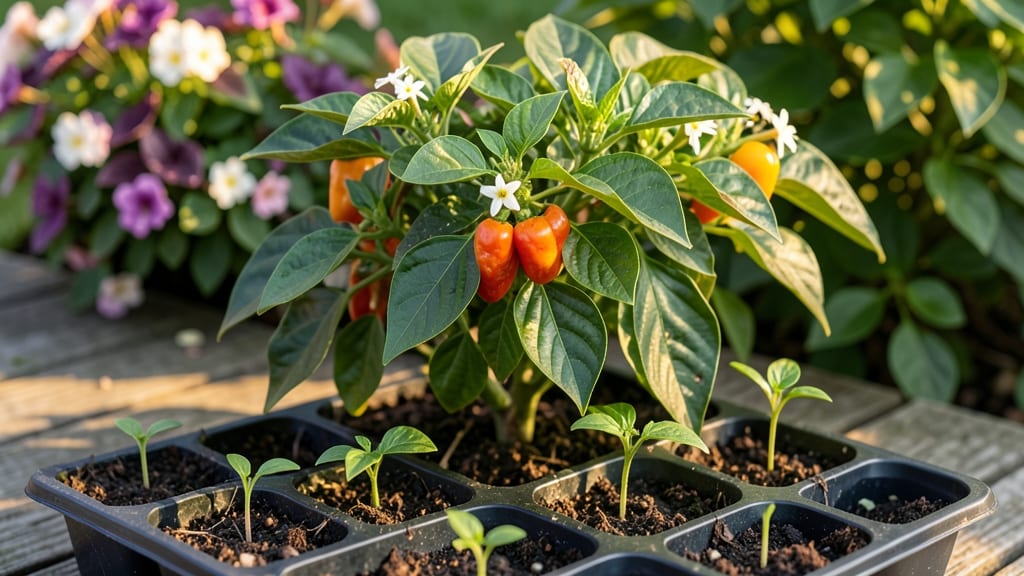
The first time I planted Scotch bonnet peppers, I expected fiery red pods—but what I got were tiny, wrinkled seedlings that took their sweet time emerging. 🌱 Turns out, these tropical beauties demand warmth, patience, and just the right conditions to thrive.
They won’t tolerate cold snaps, so timing and soil prep are everything.
Start seeds indoors 8-10 weeks before your last frost, using a heat mat to keep soil between 75-85°F—they won’t germinate well in cooler temps. If you’re planting directly outside, wait until soil is at least 70°F and nighttime temps stay above 55°F.
Scotch bonnets crave full sun (6-8 hours daily) and well-draining soil rich in compost.
By midsummer, you’ll be rewarded with glossy green plants packed with 3-inch pods that turn fiery red, orange, or yellow. The key is consistent moisture—let the top inch dry between waterings—and a balanced fertilizer to fuel their tropical growth habits. Container growers, use 5-gallon pots for each plant.
Common early hiccups? Seedlings that sprout unevenly or yellow leaves from overwatering. The fix? Thin seedlings to 18-24 inches apart and let soil dry slightly between drinks. These peppers are worth the wait—just give them what they crave: heat, sun, and a little extra TLC.
Root Causes Of Plant Struggles
Scotch bonnet peppers are fiery, flavorful, and full of life—but when they fail to thrive, it’s usually due to a few key factors. Understanding these root causes helps you troubleshoot faster and give your plants the perfect growing conditions.
Let’s break down the science behind why Scotch bonnet peppers might underperform.
Scotch bonnet peppers (Capsicum chinense) are tropical powerhouses, meaning they hate sudden temperature drops or scorching heat. Here’s why:
- Cold Sensitivity: These peppers thrive in 75–85°F (24–29°C). Below 50°F (10°C), their metabolic processes slow down, leading to stunted growth, yellowing leaves, or even death.
Cold stress disrupts photosynthesis by damaging chloroplasts, the plant’s energy factories. - Heat Stress: While they love warmth, consistent temps above 95°F (35°C) can cause blossom drop (flowers falling off before fruiting) or fruit deformities.
High heat also increases transpiration (water loss), dehydrating the plant if humidity isn’t balanced. - Nighttime Chill: A 10°F (5°C) drop between day and night can shock the plant, triggering physiological disorders like blossom end rot (even though it’s technically a calcium deficiency, stress exacerbates it).
Actionable Fix: Use row covers for early-season protection, mulch to regulate soil temp, and shade cloth (30–50%) during extreme heat. If growing in pots, move them to a sheltered spot during temperature swings.
Scotch bonnets need well-draining, nutrient-rich soil with a slightly acidic to neutral pH (6.0–7.0). Deviate from this, and you’ll see:
- Compacted or Waterlogged Soil: Roots suffocate without oxygen, leading to root rot (Phytophthora or Pythium fungi).
Symptoms include black, mushy roots and wilting despite moist soil. - Nutrient Deficiencies: - Nitrogen (N) deficiency: Pale yellow leaves (older leaves first) = stunted growth. - Phosphorus (P) deficiency: Purple stems/leaves = poor flowering/fruiting. - Potassium (K) deficiency: Weak stems, brown leaf edges = susceptibility to pests/disease. - High Salinity: Over-fertilizing or using poor-quality water (e.g., hard water with high minerals) can burn roots, causing leaf scorch and crispy edges.
Actionable Fix: Amend soil with compost, perlite, or coco coir for drainage. Test pH with a soil kit and adjust with lime (to raise pH) or sulfur (to lower pH). Use a balanced fertilizer (10-10-10) at planting and switch to low-nitrogen, high-phosphorus (5-10-10) when flowers appear.
Scotch bonnets are thirsty but hate soggy feet. Watering issues trigger the most common problems:
- Underwatering: Leads to wilting, drooping leaves, and fruit cracking (as peppers try to absorb water from the soil).
Chronic underwatering weakens the plant, making it prone to pests. - Overwatering: Causes root rot (as mentioned above) and nutrient leaching, where water washes away essential minerals.
Symptoms include yellowing leaves, mushy stems, and a foul smell at the base. - Inconsistent Moisture: Peppers hate dry spells—even brief drought stress can cause blossom end rot (calcium uptake fails under stress) or fruit discoloration.
Actionable Fix: Water deeply 1–2 times per week (depending on climate), aiming for 1–1.5 inches of water. Use drip irrigation or soaker hoses to keep roots consistently moist without waterlogging. Mulch (2–3 inches of straw or wood chips) to retain moisture and regulate temperature.
Scotch bonnets are magnets for pests and vulnerable to fungal/bacterial infections if conditions are right. Common culprits:
- Aphids & Spider Mites: Sap-sucking pests that cause curled leaves, sticky residue (honeydew), and weakened plants.
They thrive in dry, hot conditions. - Fungal Diseases: - Powdery Mildew (white powdery coating) = high humidity + poor airflow. - Early Blight (brown spots on leaves) = overhead watering + wet foliage. - Bacterial Spot: Water-soaked lesions on leaves/fruit = contaminated water or tools.
Actionable Fix:
- Prevent pests: Spray neem oil weekly or introduce ladybugs/predatory mites.
- Improve airflow: Space plants 18–24 inches apart and prune for ventilation.
- Clean tools: Sterilize pruners with rubbing alcohol to prevent disease spread.
Even if you start with strong seedlings, mishandling transplants can derail growth:
- Root Damage: Rough handling during transplanting severs fine root hairs, slowing nutrient/water uptake. Symptoms: slow growth, yellowing leaves, or wilting. - Overcrowding: Peppers need space to breathe (18–24 inches apart).
Crowded plants compete for sunlight/nutrients, leading to smaller fruit, more pests, and increased disease risk. - Shock from Sudden Conditions: Moving seedlings from indoor warmth to cold outdoor temps or bright shade to full sun too fast causes leaf scorch or stunted growth.
Actionable Fix:
- Hardening off seedlings: Gradually expose them to outdoor conditions over 7–10 days (start with 1 hour/day, increasing time).
- Transplant carefully: Dig a wide hole, loosen roots gently, and water deeply before and after planting.
- Space properly: Follow square foot gardening guidelines (1 plant per square foot in containers).
Fixing Common Scotch Bonnet Growing Woes
Got unexpected problems with your fiery Scotch bonnet peppers? Don’t let frustration turn your garden into a ghost town—these practical fixes will revive your plants and keep them thriving. Below, we’ve mapped out the most common issues, their root causes, and step-by-step solutions to get your peppers back on track.
Cause: Overwatering drowns roots, while underwatering stresses plants. Scotch bonnets hate soggy soil but also despise drought.
Fix It: ✅ For Overwatering:
- Stop watering immediately and let the top 2–3 inches of soil dry out completely before watering again.
- Improve drainage by mixing in perlite or vermiculite (1 part to 3 parts soil) or repotting into a container with drainage holes.
- Check soil moisture with your finger—if it’s damp below 1 inch, wait another day.
✅ For Underwatering:
- Water deeply at the base of the plant (avoid wetting leaves to prevent disease).
- Use mulch (straw or shredded leaves) to retain moisture and regulate soil temperature.
- Water in the morning to reduce evaporation and give roots time to absorb moisture.
💡 Prevention Tip: Water only when the topsoil feels dry (stick your finger in—if it’s bone-dry, it’s time). Scotch bonnets prefer consistent moisture, not soggy or parched conditions.
Cause: Scotch bonnets are tropical divas—they need warmth (70–85°F) and full sun (6–8 hours daily) to flower and fruit. Cool temps or shade = zero peppers.
Fix It: 🔥 Boost Heat:
- Move pots to a sunny, sheltered spot (south-facing windows or a greenhouse if indoors).
- Use a heat mat (70–80°F) for seedlings or place pots on black plastic to absorb warmth.
- If nights dip below 60°F, cover plants with a frost blanket (but remove during the day).
☀️ Maximize Sunlight:
- Rotate pots weekly so all sides get even light.
- Prune nearby plants blocking sunlight.
- Use grow lights (LED or fluorescent) for 12–14 hours/day if natural light is lacking.
💡 Prevention Tip: Start seeds indoors 8–10 weeks before the last frost (or in late spring for warm climates) to ensure they’re ready for heat when transplanted.
Cause: Pests like aphids and mites suck sap, while calcium deficiency (often from uneven watering) causes blossom end rot.
Fix It: 🐜 For Pests:
- Blast off aphids with a strong spray of water (they hate it!).
- Introduce beneficial insects like ladybugs or lacewings.
- Spray neem oil (1 tsp per quart of water) weekly for prevention.
🥬 For Blossom End Rot:
- Water consistently—avoid letting soil dry out completely between waterings.
- Add crushed eggshells or calcium supplement (like Epsom salt: 1 tbsp per gallon of water) to the soil.
- Mulch heavily to keep moisture and calcium levels stable.
💡 Prevention Tip: Rotate crops (don’t plant peppers in the same spot yearly) to break pest cycles. Also, inspect plants weekly—catch pests early!
Cause: Scotch bonnets crave rich, well-draining soil packed with nitrogen, phosphorus, and potassium. Compact or nutrient-poor soil = sad plants.
Fix It: 🌱 Amend the Soil:
- Mix in compost or aged manure (1 part compost to 3 parts soil).
- Add balanced fertilizer (10-10-10 or 5-5-5) at planting, then every 4–6 weeks during growing season.
- For container plants, use a pepper-specific potting mix (avoid garden soil—it compacts).
💡 Prevention Tip: Test your soil (kits are cheap!) to check pH (ideal: 6.0–6.8). If too acidic, add lime; if too alkaline, use sulfur.
Cause: While Scotch bonnets love heat, extreme temps (above 90°F) can scorch leaves or cause flowers to drop.
Fix It: 🌿 Shade Cloth to the Rescue:
- Install shade cloth (30–50%) during peak afternoon sun (1–4 PM).
- Mist leaves lightly in extreme heat (but avoid wetting flowers).
💧 Hydration Boost:
- Water more frequently (but not excessively—aim for deep, infrequent watering).
- Use drip irrigation to keep roots cool and soil moist.
💡 Prevention Tip: Plant in late spring or early summer (after the worst heat waves) or choose heat-tolerant varieties like ‘Carolina Reaper’ or ‘Habanero’.
Remember: Scotch bonnets are high-maintenance but worth every effort—their fiery harvest will spice up your dishes (and your confidence as a gardener!). 🌶️🔥 With these fixes, your plants will bounce back faster than you can say “hot sauce.”
Frequently asked questions
How long does it take for Scotch bonnet pepper seeds to germinate?
With the right warmth, Scotch bonnet seeds typically sprout in 7-14 days. Use a heat mat to keep soil between 75-85°F—they won't germinate well below 60°F. Cover seeds with just ¼ inch of soil and keep moist (not soggy) during this waiting period.
Can I grow Scotch bonnet peppers in containers?
These tropical peppers thrive in 5-gallon pots with drainage holes. Use a lightweight potting mix with compost, and place containers in full sun. Just be prepared to water more frequently than in-ground plants, as pots dry out faster.
Why aren't my Scotch bonnet plants flowering?
Lack of flowers usually means your plants need more warmth or sunlight. Ensure daytime temps stay above 70°F and provide 6-8 hours of direct sun daily. If growing in containers, move them to the sunniest spot available. Also check for proper spacing—crowded plants often delay flowering.
What's the best way to harden off Scotch bonnet seedlings?
Gradually expose seedlings to outdoor conditions over 7-10 days. Start with 1 hour of morning sun, then increase by 1-2 hours daily. Bring them indoors at night until temps stay above 55°F consistently. This slow transition prevents transplant shock.
How do I know when Scotch bonnet peppers are ready to harvest?
Peppers are ready when they reach 2-3 inches in size and develop their signature colors (red, orange, or yellow). Gently twist them off the stem—if they come off easily, they're ready! For maximum heat, harvest when fully colored. Store in a cool, dark place for up to 2 weeks.