
Picking
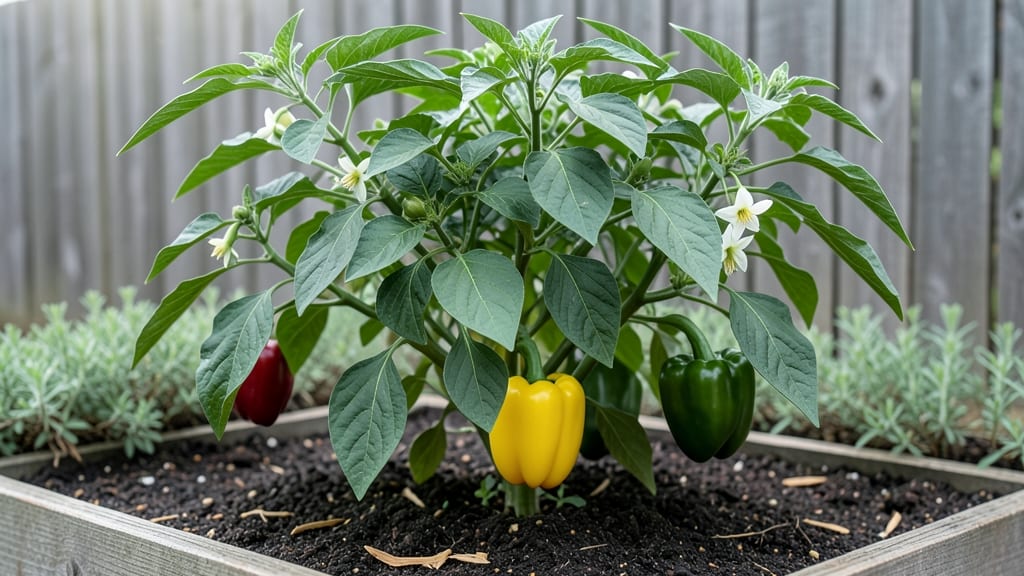
Pepper is not okay for dogs in most forms—black pepper, cayenne, or chili peppers can irritate their digestive systems and cause vomiting, diarrhea, or even pancreatitis. Only mild bell peppers in tiny, cooked amounts may be safe as an occasional treat, but consult a vet first.
Most peppers contain capsaicin, a compound that triggers burning sensations in dogs' mouths and stomachs, leading to drooling, pawing at the mouth, and digestive upset. 🐾 Even small amounts of hot peppers can cause inflammation in their sensitive digestive tracts, while bell peppers—when cooked and served in pea-sized portions—are the safest option.
Always introduce new foods gradually and watch for any adverse reactions, as individual tolerances vary widely among dogs.
If you're looking to add flavor to your dog's meals without risk, consider dog-safe alternatives like steamed carrots, plain pumpkin puree, or a sprinkle of fresh parsley.
These options provide nutrients without the potential hazards of pepper compounds. When in doubt, a quick vet check ensures your pup stays happy and healthy.
💡 In This Article
- Toxic Pepper Compounds in Dogs: Capsaicin and Beyond
- Safe Pepper Alternatives for Dogs: Vet-Approved Substitutes
Toxic pepper compounds in dogs: capsaicin and beyond
The real danger for dogs lies in capsaicin, the compound that gives peppers their heat. This chemical binds to TRPV1 receptors in mammals—including dogs—which are designed to detect painful heat.
In humans, we feel this as a burning sensation, but in dogs, it triggers an exaggerated response: excessive drooling, pawing at the mouth, and even vocalizing as if in pain.
A single 1/8 teaspoon of cayenne pepper can cause these reactions in a 20-pound dog, while black pepper's milder capsaicin still poses risks for smaller breeds.
Beyond capsaicin, other compounds like piperine (found in black pepper) and capsiate (in hot peppers) contribute to digestive distress. These irritants can cause inflammation in a dog's sensitive stomach lining, leading to vomiting, diarrhea, or even pancreatitis in severe cases.
The problem worsens because dogs lack the enzymes to metabolize these compounds efficiently. For context, a jalapeño pepper contains about 2,500-8,000 SHU (Scoville Heat Units), while a bell pepper registers at 0 SHU—making the difference between safe and dangerous crystal clear.
Respiratory irritation is another critical factor. When dogs ingest hot peppers, the capsaicin can cause throat irritation, leading to coughing or gagging. In extreme cases, it may even trigger aspiration pneumonia if they inhale pepper particles while vomiting.
The visual cues are often telling: a dog with pepper exposure may hold its head low, avoid eating, or show signs of abdominal pain by pacing or whining. These reactions aren't just uncomfortable—they can escalate quickly, especially in small or elderly dogs with compromised digestive systems.
What most pet owners don't realize is how cooking doesn't neutralize capsaicin. Heat breaks down some compounds, but capsaicin remains stable even after cooking. This means a single bite of spicy pizza crust or a chili-laced hot dog could expose your dog to dangerous levels.
The misconception that "a little won't hurt" is particularly risky—dogs metabolize toxins differently, and their smaller size means even trace amounts can have outsized effects. For example, a 5-pound Chihuahua might react severely to the same pepper exposure that a 70-pound Labrador could tolerate with mild symptoms.
To put it in perspective, consider this comparison: while humans can handle 10,000 SHU (like a mild habanero) with relative ease, a dog's threshold is closer to 0-10 SHU—the range of bell peppers.
This stark difference explains why what's a flavorful bite for you could be a medical emergency for your pup. The key takeaway? When it comes to peppers and dogs, the safest choice is always zero exposure unless you're serving plain, cooked bell peppers in microscopic portions.
If you suspect your dog has ingested pepper, don't wait for symptoms to appear. Contact your vet immediately—they may recommend activated charcoal or other interventions to prevent absorption. In severe cases, hospitalization for IV fluids or anti-nausea medication may be necessary.
Prevention is always better than treatment, so it's worth taking a moment to scan your pantry for hidden pepper risks—think seasoned meats, spicy snacks, or even pepper-infused oils.