
Neem Oil
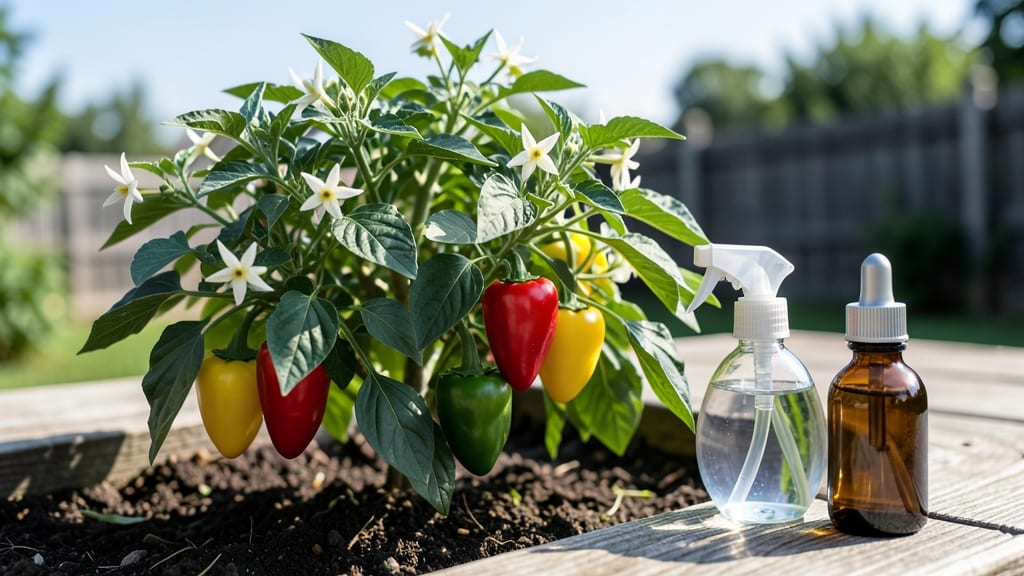
Peppermint oil is not safe for plants—its high menthol and menthone concentrations can cause leaf burn, stunted growth, or even kill sensitive species like ferns, herbs, and vegetables. Use only in extreme cases (e.g., pest control) with extreme dilution (1 drop per gallon) and avoid direct contact.
Peppermint oil's potency comes from its active compounds—menthol and menthone—which act like chemical irritants to plant tissues. 🌿 These oils disrupt cell membranes, clog stomata (pores), and trigger oxidative stress, essentially suffocating leaves over time.
Even in small amounts, it can leave brown patches on foliage or cause wilting, especially in delicate plants like ivy, basil, or orchids. The oil's volatility means fumes alone can harm nearby plants, making it a risky choice for indoor gardening.
That said, gardeners sometimes use it as a last-resort pest repellent for outdoor plants like roses or tomatoes—but only when heavily diluted (1 drop per gallon of water) and applied indirectly (sprayed on soil, not leaves).
Always test a small area first and monitor plants for stress signs like yellowing or curling edges. For most situations, gentler oils like neem or rosemary offer similar pest control without the damage.
💡 In This Article
- How Peppermint Oil Harms Plants: Chemical Toxicity Breakdown
- Safer Peppermint Oil Alternatives for Organic Pest Control
How peppermint oil harms plants: chemical toxicity breakdown
The real danger of peppermint oil lies in its menthol (up to 50% concentration) and menthone (20-30%), which act like plant cell disruptors. These compounds penetrate leaf cuticles, dissolving the waxy protective layer that regulates water loss and gas exchange.
At concentrations as low as 0.5%, they trigger oxidative stress—a biochemical chain reaction where free radicals damage cell membranes, leading to brown, crispy patches on leaves. 🌿 The oil's high volatility means even airborne exposure can cause stomata (leaf pores) to close prematurely, starving plants of CO₂ for photosynthesis.
Compare this to neem oil, which contains triterpenoids that disrupt insect life cycles without harming plants at proper dilutions (1-2% solution). Peppermint oil's toxicity is 5-10x stronger—similar to citrus oils but with no natural plant defense mechanisms to mitigate damage.
Vulnerable families include Araceae (philodendrons), Lamiaceae (basil, mint), and Solanaceae (tomatoes), where even diluted applications can cause chlorosis (yellowing) within 24-48 hours. The oil's limonene content (5-10%) further exacerbates phototoxicity, making leaves more susceptible to sunburn.
What most gardeners overlook is the cumulative effect. A single application might seem harmless, but residual menthol builds up in soil and plant tissues over time. Studies show that 0.1% concentrations in soil can inhibit seed germination by up to 40% in sensitive species like lettuce or beans.
The oil's antimicrobial properties also disrupt beneficial mycorrhizal fungi in roots, weakening the plant's nutrient uptake system. 💀 For comparison, rosemary oil (another common garden oil) contains camphor and cineole, which are 30-50% less phytotoxic when used at similar dilutions.
Even when used for pest control, peppermint oil's risks often outweigh benefits. Its 1-2% dilution (1 drop per gallon) is already at the upper limit of safe application, and direct leaf contact should be avoided entirely.
The oil's strong aroma repels some pests like aphids, but it also attracts others—such as ants—that are drawn to the mint family's scent profile. For organic gardeners, this creates a pest migration problem, where you solve one issue while creating another nearby.
The key takeaway: peppermint oil's high bioactivity makes it a high-risk, low-reward option for plant care.
To visualize the damage, imagine spraying a 1:1000 dilution of rubbing alcohol on a houseplant. The initial shock might not kill it immediately, but over weeks, you'd see stunted growth, brittle stems, and premature leaf drop—exactly what peppermint oil does to plants.
The difference? Alcohol evaporates harmlessly; menthol lingers in the soil and plant tissues, continuing to cause harm long after application. For gardeners seeking natural solutions, oils like neem or clove offer similar pest-repelling properties with 90% lower phytotoxicity when used correctly.
The bottom line: peppermint oil's chemical makeup makes it one of the most aggressive essential oils for plants. Its dual action—disrupting both above-ground foliage and below-ground microbial life—creates a domino effect of plant stress that's difficult to reverse.
Even "safe" applications require extreme caution, proper dilution, and indirect application, making it a last-resort option rather than a go-to solution for gardeners. 🌱