
Planting
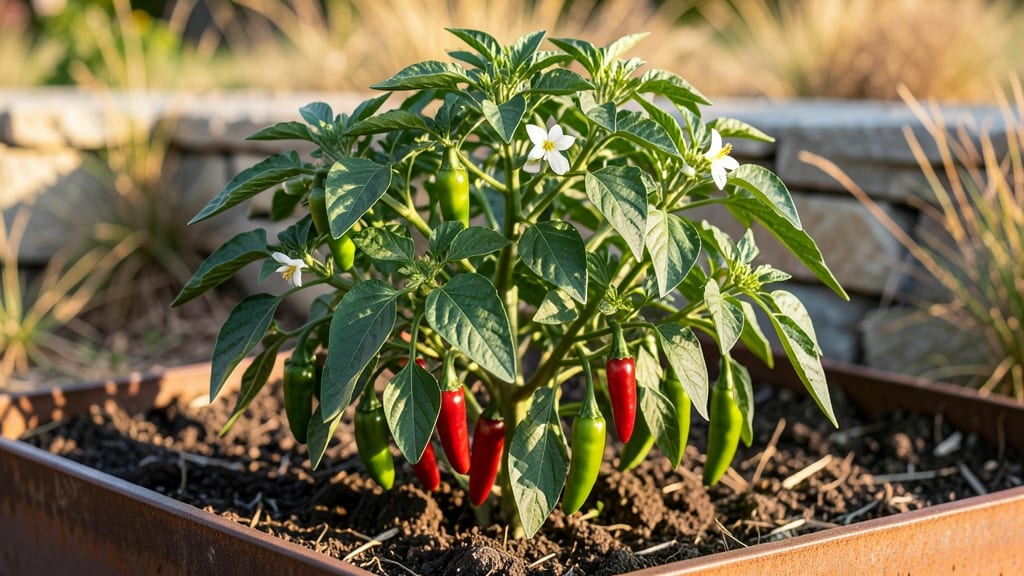
Growing jalapeño pepper plants on a pole turns my small balcony into a firehouse of flavor. 🌱 The secret isn't just saving space—it's creating a vertical jungle where every plant gets maximum sunlight and air circulation, which means fewer pests and bigger harvests.
I started with just three plants last summer, and by August, I had enough jalapeños to fill my freezer with salsas and pickles. The key is choosing the right pole (5-6 feet tall) and training the plants upward as they grow—no fancy equipment needed, just some twine and patience.
Even in small spaces, you can grow 10-15 plants in the area of one in-ground garden. You'll harvest your first peppers in 70-80 days, and the flavor keeps improving as the season progresses.
The plants stay productive for months, and the vertical setup keeps them off the ground where slugs can't reach. Works for balconies, patios, or even a sunny corner of your yard. Here's how to get started!"
📚 In This Guide
- What you need
- Instructions
- Tips and common mistakes
- Wrapping up and next steps
What you need
- ● Jalapeño Seeds or Seedlings: 1-3 plants (choose disease-resistant varieties like 'Early Jalapeño' or 'Red Streak').
- ● Growing Containers (if applicable): 5-gallon pots or larger (minimum 12" diameter) with drainage holes.
- ● Well-Draining Soil: 1 bag (1.5–2 cubic feet) of potting mix or garden soil amended with compost (50% soil, 50% compost).
- ● Organic Fertilizer: Balanced 10-10-10 or pepper-specific fertilizer (follow package rates).
- ● Support System: 5–6 ft trellis, bamboo stakes, or tomato cages (for pole training).
- ● Mulch: Straw or shredded leaves (1–2 inches) to retain moisture.
- ● Watering Can or Hose with Adjustable Nozzle: For gentle watering (avoid wetting leaves).
- ● Pruning Shears or Scissors: Sharp, sterilized tools for trimming.
- ● Row Covers or Shade Cloth: To protect seedlings from pests or extreme heat.
- ● Drip Irrigation Kit: For consistent moisture in dry climates.
- ● Epsom Salt: A spoonful in planting hole for magnesium boost (great for fruiting!).
- ● Pest Control: Neem oil or insecticidal soap (preventative measure).
- ● Garden Gloves: To keep hands clean while handling soil or peppers.
Step-by-step instructions for pole-trained jalapeño peppers
Here’s how to grow fiery jalapeños vertically—saving space while maximizing heat and yield.
🌱 Step 1: Start Seeds Indoors 8-10 Weeks Before Last Frost
Fill 2-3 inch deep biodegradable pots with seed-starting mix (never garden soil—it’s too dense). Plant 2 seeds per pot at ¼ inch deep, just below the surface. Press gently but don’t compact the soil—jalapeños need loose roots to thrive.
Keep the mix moist but not soggy (water when the top inch feels dry). Place pots in a warm spot (70-80°F)—a seedling heat mat speeds germination. Cover with a humidity dome until sprouts appear in 7-14 days. Once seedlings emerge, remove the dome immediately to prevent fungal diseases like damping-off.
☀️ Step 2: Transplant to Poles After True Leaves Form
Wait until seedlings have 2-3 true leaves (not just cotyledons) before transplanting. Bury them deeper than the stem—jalapeños grow roots along their stems, so 6-8 inches of stem below soil is ideal. This creates a stronger base for pole training.
Set each seedling next to a 5-6 foot tall tomato cage or bamboo stake (jalapeños climb like tomatoes). Water deeply after transplanting to settle the soil around the buried stem. Place in full sun (6+ hours daily)—jalapeños need intense light to develop heat.
🪴 Step 3: Train Vines Upward and Prune for Productivity
As vines grow, gently weave them through the cage or tie them to the stake with soft twine. Prune suckers (the small shoots in the leaf axils) to encourage fruit production—jalapeños focus energy on peppers when you remove these side growths.
Pinch off the first few flowers if your plant is small (<12 inches). This lets the plant grow taller before fruiting. Once established, let flowers bloom—jalapeños set fruit 60-70 days after transplanting. Harvest peppers when they’re 3-4 inches long for maximum heat.
💧 Step 4: Water and Fertilize for Consistent Heat
Water at the base only (never overhead)—jalapeños hate wet leaves, which spread disease. Keep soil evenly moist (1 inch dry between waterings). Mulch with straw or grass clippings to retain moisture and cool roots in hot climates.
Feed every 2-3 weeks with a balanced fertilizer (10-10-10) once flowers appear. Stop fertilizing 4-6 weeks before first frost—you want the plant to focus on ripening existing peppers, not new growth.
✂️ Step 5: Extend the Season and Harvest for Heat
Cover plants with frost cloth when night temps drop below 50°F—jalapeños stay productive until frost. Harvest peppers every 2-3 days to encourage more production. Store unripe peppers in a cool, dark place to ripen slowly.
Here’s the thing—jalapeños get hotter when left on the vine longer. For maximum heat, wait until they turn deep red (if your variety allows). But for consistent flavor, harvest when green and firm—they’ll still pack a punch!
Tips & tricks for pole-trained jalapeño peppers
These little tricks will help you grow a thriving jalapeño plant that packs serious heat—without taking over your garden.
Seedling Success: The 70-80°F warmth for germination is non-negotiable—cold soil slows growth dramatically. I keep my seed-starting pots on top of my fridge (which stays warm) until sprouts appear. Once they emerge, move them to a sunny windowsill or under grow lights immediately to prevent leggy seedlings.
Transplanting Technique: Burying those 6-8 inches of stem creates a stronger root system, but don't rush it. Wait for those 2-3 true leaves—cotyledons (the first tiny leaves) don't mean the plant's ready. I test readiness by gently tugging: if the seedling resists, it's ready to move outdoors.
Pruning for Productivity: Those suckers (the little shoots in leaf axils) might look harmless, but they steal energy from your peppers. Snip them off when they're about 2 inches long—this redirects the plant's energy to fruit production. I prune mine every 2 weeks during the growing season to keep them focused on peppers.
Heat Management: Jalapeños need consistent moisture, but soggy soil leads to disease. I water at the base every morning, then again in the evening if temperatures exceed 90°F. Mulching with straw keeps roots cool and conserves moisture—especially critical in hot climates where peppers can stress easily.
Pro Tips for Jalepeno Pepper Plant
- These little tricks will help you grow a thriving jalapeño plant that packs serious heat—without taking over your gar...
- Seedling Success: The 70-80°F warmth for germination is non-negotiable—cold soil slows growth dramatically. I keep my...
- Transplanting Technique: Burying those 6-8 inches of stem creates a stronger root system, but don't rush it. Wait for...
Frequently asked questions
Got questions about growing your own jalapeño pepper plant? You’re not alone! Whether you're a first-time gardener or a seasoned green thumb, these common queries can help you cultivate a thriving harvest. Let’s dive in:
How long does it take for a jalapeño pepper plant to produce fruit?
A jalapeño pepper plant typically takes 60–90 days from transplanting to produce peppers, assuming warm temperatures (70°F+), full sun, and consistent care. Early varieties may fruit sooner, but patience is key—don’t rush! Pro tip: If your plant flowers but no peppers form, it might need more sunlight or pollination help (gently shake the plant or use a small brush).
Can jalapeño pepper plants grow indoors?
Yes! With the right setup, jalapeños thrive indoors. Use a south-facing window or grow lights (12–16 hours/day), a 5–7 gallon pot, and a well-draining potting mix. Keep temps above 60°F and fertilize every 4–6 weeks. Pole training (trellising) saves space and encourages upward growth. Just watch for pests like spider mites—mist leaves occasionally to deter them!
When is the best time to harvest jalapeños?
Harvest jalapeños when they’re 3–5 inches long and firm, typically 60–75 days after transplanting. For milder heat, pick them green; for classic spice, wait until they turn red or yellow. Use pruning shears to avoid damaging the plant, and harvest regularly to encourage more production. Fun fact: The longer they stay on the vine, the hotter they get!
Why aren’t my jalapeño peppers turning red?
Jalapeños may stay green if they’re harvested too early, lack sunlight, or face cool nights (<50°F). Ensure your plant gets 6+ hours of direct sun daily and fertilize with a balanced 10-10-10 or tomato-specific feed every 3–4 weeks. If temps drop, use a row cover or move pots indoors temporarily. Patience pays off—some varieties take longer to ripen!
What can I do with extra jalapeños?
Preserve the harvest! Try pickling (classic jalapeño peppers!), freezing (blanch first), or drying for homemade hot sauce. Roast them for salsa or blend into jalapeño butter. Share with neighbors or swap seeds—gardeners love fresh peppers! Bonus: Donate extras to local food banks or meal prep for a spicy kick in soups and stews.
Wrapping up and next steps
Growing a jalapeño pepper plant in your compact garden is a rewarding way to bring bold flavor and heat to your meals—without needing a sprawling space! With the right pole-training techniques, you’ll maximize yield, save room, and enjoy fresh peppers all season long.
Whether you’re a seasoned gardener or just starting, this method makes it easy to grow jalapeños successfully.
Ready to spice up your harvest? Start by gathering your supplies, then plant your seeds or seedlings and give them the care they need. Before you know it, you’ll be picking fresh, fiery peppers straight from your garden! 🌱🔥