
Companion Plants
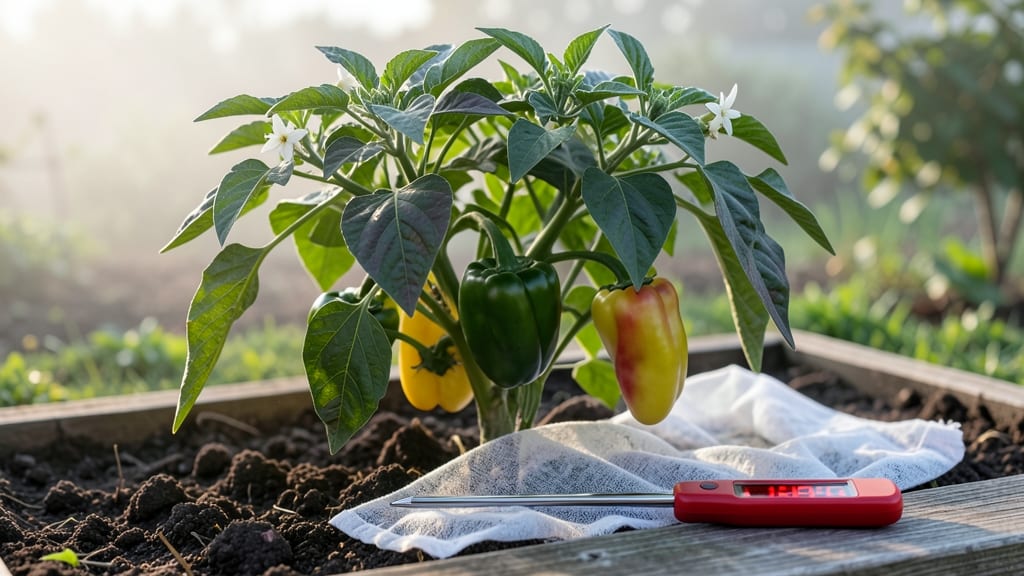
Even with the low temp for pepper plants, growth slows, leaves yellow, and your harvest risks stalling or dying—but here’s how to protect them.
If you’ve ever watched your 🌶️ plants wilt after a surprise chill, you know how quickly a cold snap can turn a promising crop into a sad, stunted mess.
But here’s the good news: with the right strategies, you can protect your peppers from frost, extend their growing season, and even grow them successfully in cooler climates like Zone 6a. Whether you’re using row covers, choosing cold-hardy varieties, or adjusting your planting schedule, small tweaks make a huge difference.
In this guide, I’ll break down exactly how low temperatures affect peppers, the signs of cold stress to watch for, and the most effective ways to shield your plants—from quick fixes like mulching to long-term solutions like greenhouse setups.
You’ll also discover which pepper varieties handle cooler weather best and how to keep them thriving even when the mercury drops.
Ready to save your peppers from the cold? Let’s dive into the survival strategies that’ll keep your harvest going strong, no matter what spring throws your way.
Critical temperature thresholds for pepper plants and how to survive them
Pepper plants are tropical heat-lovers, and when temperatures dip below their comfort zone, growth slows dramatically. The ideal temperature range for peppers is 70-85°F (21-29°C), but they can tolerate brief dips down to 50°F (10°C) without permanent damage.
Understanding these temperature thresholds is key to protecting your harvest when cold snaps strike.
Most pepper varieties will show signs of stress when temperatures drop below 60°F (15°C) for extended periods. This includes stunted growth, yellowing leaves, and even blossom drop.
If nighttime temperatures fall to 50°F (10°C) or lower, your plants are at serious risk, especially if combined with frost or wind exposure.
Cold stress symptoms appear quickly in peppers. Watch for dark, water-soaked spots on leaves, crispy leaf edges, or a complete halt in new growth. Even if your plants recover from mild cold, the fruit quality suffers—peppers may become bitter, misshapen, or fail to ripen properly.
Here’s the critical breakdown of pepper plant temperature limits and how to protect them:
| Temperature Range (°F/°C) | Effect on Pepper Plants | Action Steps | Tools/Materials |
|---|---|---|---|
| 70–85°F (21–29°C) | Optimal growth. Flowers set, fruit develops normally. | None needed. Focus on watering and fertilizing. | Balanced fertilizer, drip irrigation |
| 60–69°F (15–20°C) | Slow growth. Flowering may stall; fruit ripens slower. | Use row covers or mulch heavily to retain heat. | Frost cloth, straw mulch, black plastic |
| 50–59°F (10–15°C) | Cold stress. Leaves yellow, growth stops; risk of blossom drop. | Cover plants with cloches or cold frames immediately. | Plastic cloches, mini greenhouses, heat lamps |
| Below 50°F (10°C) | Frost damage. Leaves blacken, stems may die back. | Emergency measures: Use row covers + string lights for heat. | Frost blankets, grow lights, indoor pots |
| 32°F (0°C) or lower | Fatal damage. Cells freeze; plant tissue dies. | Remove plants or cover with thick insulation (e.g., tarps + straw). | Heavy-duty tarps, burlap, bubble wrap |
If temperatures dip to 50°F (10°C) or lower, act fast. The first line of defense is a row cover or frost cloth, which can raise temperatures by 5–10°F (3–6°C).
Secure the cover with bricks or stakes to prevent wind damage, and leave space for airflow to avoid moisture buildup.
For extended cold snaps, consider cloches (individual plant covers) or mini greenhouses. These create a microclimate that can protect peppers down to 40°F (4°C). Place them directly over plants and remove during the day to allow sunlight access.
If nighttime temps drop below 40°F (4°C), add a heat source like a string light or ceramic heat emitter for extra warmth.
Mulching is another low-cost, high-impact strategy. Apply 4–6 inches of straw or shredded leaves around the base of your plants to insulate roots. This keeps soil temperatures 5–10°F warmer than ambient air, which is crucial for root health during cold spells.
Pair mulch with a black plastic ground cover to absorb and radiate heat back into the soil.
If frost is forecasted, water your pepper plants thoroughly the day before. Moist soil retains heat better than dry soil and provides a buffer against rapid temperature drops. Avoid overhead watering before frost, as wet leaves can freeze and damage foliage. Instead, use drip irrigation or water at the base.
For gardeners in USDA Zones 7 and below, where cold snaps are common, consider starting peppers indoors and transplanting after the last frost date.
Use grow lights to extend the season and move potted plants to a sunny indoor location (like a south-facing window) if outdoor temps drop below 60°F (15°C).
Even with these strategies, some pepper varieties handle cold better than others. Cold-tolerant varieties like 'Arpad F1' or 'Carolina Wonder' can survive brief dips to 45°F (7°C), while standard bell peppers struggle below 55°F (13°C). Always check seed packets for cold-hardiness ratings when selecting varieties for cooler climates.
🌱
Best cold-tolerant pepper varieties for growing below 60°F
If you're growing peppers in cooler climates where temperatures dip below 60°F (15°C), you don’t have to give up on your harvest. Some pepper varieties are bred to handle chilly conditions better than others.
These cold-tolerant peppers can survive light frosts and cooler nights, giving you a chance to grow even when most gardeners are packing it in.
Choosing the right variety is just the first step. Pairing these peppers with protective planting strategies—like using row covers, mulching, or starting seeds indoors—can dramatically improve your success rate. The varieties I recommend below have been tested in USDA Zones 4-6 and can thrive with the right care.
My top pick for cold climates is Arpad F1, a hybrid pepper that can handle 40°F (4°C) nighttime temperatures without skipping a beat. It’s a versatile variety that produces both bell peppers and hot peppers, making it a great all-in-one choice.
If you’re after something milder, Carolina Wonder is a fantastic bell pepper that tolerates cooler conditions better than most.
For gardeners in Zone 5 or colder, I recommend starting these varieties indoors 8-10 weeks before your last frost date. Use grow lights to supplement natural light, and transplant seedlings outdoors only after soil temperatures reach 60°F (15°C).
A black plastic mulch can also help warm the soil faster and protect roots from temperature swings.
Even with cold-tolerant varieties, nighttime protection is key. Use floating row covers or low tunnels to shield plants from sudden drops below 50°F (10°C). These covers let sunlight through while trapping heat, giving your peppers the boost they need to keep growing.
Pair this with daily watering in the morning to prevent soil temperature fluctuations.
Don’t forget that flavor develops best in warmth, so while these varieties can survive cooler temps, they’ll produce sweeter, more vibrant peppers when daytime temperatures reach 70°F (21°C) or higher.
If your summers are short, focus on early-maturing varieties like NuMex Bernardo, which can go from seed to harvest in just 60 days.
With the right variety and a few smart strategies, you can enjoy a pepper harvest even in cooler climates. Start with Arpad F1 or Carolina Wonder, protect your plants from frost, and watch your garden thrive below 60°F! 🌱