
Plants
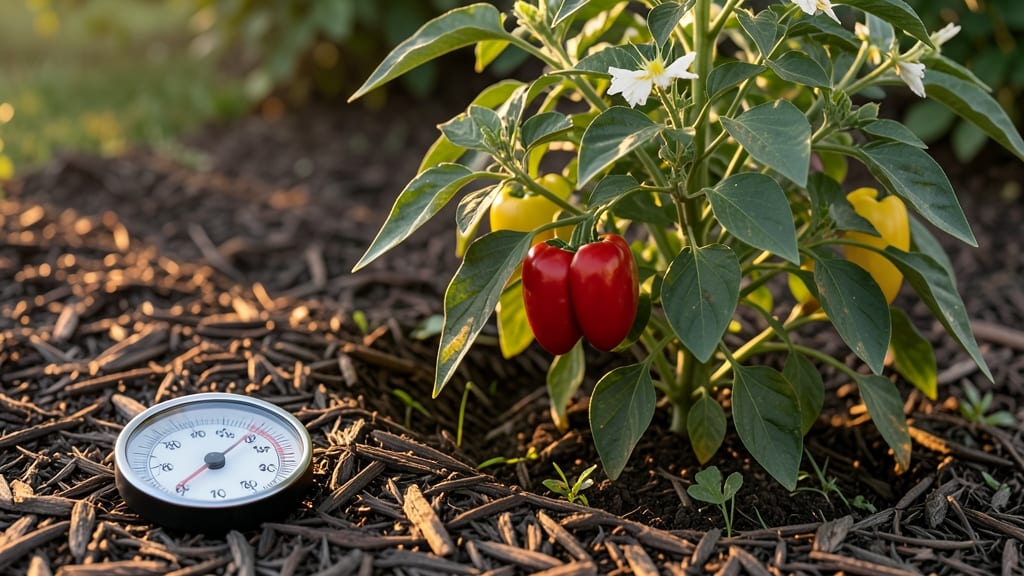
Even the low temperature for pepper plants can trigger stunted growth, blossom drop, and—if severe enough—death, so keeping them above 50°F (10°C) is crucial for thriving crops.
You’ve spent weeks nurturing your 🌶️ plants, only to watch them wilt overnight when a cold snap hits. That’s not just a setback—it’s a warning sign that your peppers are pushing their limits.
In USDA Zone 6, where spring and fall temperatures can swing wildly, knowing the critical thresholds and protective strategies is the difference between a bountiful harvest and wasted effort.
Here’s how to shield your peppers from chill damage, recover if they’ve already been hurt, and even pick the best varieties for cooler climates—so you can enjoy spicy harvests all season long.
Critical low temperature thresholds for pepper plants: when to act
Pepper plants are tropical heat-lovers, and when nighttime temperatures dip below 50°F (10°C), they start showing stress. The first signs appear as stunted growth and darkened leaf edges, but the damage escalates quickly if cold persists.
Understanding these critical temperature thresholds helps you act fast to protect your crop before irreversible harm occurs.
At 50°F (10°C), pepper plants experience mild chill stress. Leaves may yellow along the edges, and new growth slows dramatically. This is the warning zone—where temporary protection like row covers can prevent further damage.
If temperatures drop to 45°F (7°C), the stress becomes severe, leading to blossom drop and potential root damage.
Below 40°F (4°C), pepper plants face irreversible damage. Cell structures break down, causing leaf blackening and stem weakness. Flowers and buds will abort, and roots may suffer long-term harm, stunting future growth. In extreme cases, temperatures near 32°F (0°C) can kill the plant entirely within hours.
Here’s how different parts of the pepper plant react to cold:
Even a single night below 50°F (10°C) can set back your pepper plants for weeks. The roots are particularly vulnerable—cold soil disrupts nutrient absorption, leading to yellowing leaves and weak stems.
If you notice darkened leaf veins or crispy edges, act immediately by moving containers indoors or covering plants with frost blankets.
Flowers and buds are equally sensitive. When temperatures dip, pepper plants abort blossoms to conserve energy, meaning fewer peppers will develop. If your plants are already flowering, protect them with low tunnels or heat mats to maintain soil warmth.
Even a 5°F (3°C) drop can trigger blossom drop in sensitive varieties like jalapeños or bell peppers.
For container-grown peppers, the risk is higher because pots cool faster than in-ground soil. If your thermometer hits 45°F (7°C), move containers to a sunny indoor spot or wrap pots in bubble wrap to insulate roots. This simple step can mean the difference between recovery and loss.
In USDA Zone 6 or cooler, where nighttime temps frequently dip below 50°F (10°C), choose cold-tolerant varieties like ‘Carolina Wonder’ or ‘Arpad F1’.
These varieties can handle brief chills better than standard types, but they’re not frost-proof. Always pair them with protective measures during early or late seasons.
If your pepper plants are already showing cold damage, don’t panic. Prune affected leaves and monitor for new growth. In mild chill conditions (50–59°F/10–15°C), plants often bounce back within a week.
For severe damage, consider replenishing nutrients with a balanced fertilizer to support recovery. The key is acting fast—once temperatures drop below 40°F (4°C), recovery becomes unlikely.
🌱
Proven strategies to protect pepper plants from cold snaps
When unexpected cold snaps threaten your pepper plants, panic can set in—but quick action is key. Peppers are heat-loving and struggle below 50°F (10°C), showing signs like yellowing leaves or stunted growth.
The good news? With the right protective strategies, you can shield your crop and even salvage plants already stressed by chilly weather.
My go-to methods combine physical barriers, insulation techniques, and smart companion planting. For example, I’ve used floating row covers to trap warmth and black plastic mulch to absorb sunlight during early spring plantings.
Even moving potted peppers indoors temporarily can save the day when forecasts warn of sub-40°F (4°C) nights. Let’s dive into the most effective tactics to keep your peppers thriving, no matter the forecast.
- 🌡️ Use row covers (floating or hoop) to raise temps by 5-8°F (3-4°C)—secure edges with soil or bricks to prevent wind damage.
- 🌱 Apply 3-4 inches of mulch (straw or leaves) to insulate roots and retain soil warmth overnight.
- 🏠 Transition potted peppers indoors near a south-facing window (70°F/21°C+) when nights dip below 45°F (7°C).
- 🌿 Plant heat-loving companions like basil or marigolds nearby—they reflect heat and deter pests while buffering temperature swings.
- 💧 Water deeply before cold snaps to boost root resilience, but avoid soggy soil which worsens chill damage.
For outdoor peppers, I swear by floating row covers—they’re lightweight, breathable, and easy to remove once daytime temps warm up. Just remember to secure the edges with bricks or soil to prevent wind from tearing them away.
If you’re dealing with potted plants, move them to a garage or sunroom where temps stay above 55°F (13°C) at night. A simple thermometer check in the morning will tell you if your peppers are safe or need urgent relocation.
Another game-changer is mulching. A thick layer of straw or leaves (3-4 inches) acts like a blanket for your pepper roots, keeping them 5-10°F warmer than bare soil. I’ve seen this method extend the growing season by 2-3 weeks in my Zone 6 garden.
Plus, it suppresses weeds and retains moisture—double the benefit! For extra insulation, top the mulch with a clear plastic sheet (secured with rocks) on the coldest nights.
Don’t overlook the power of companion planting. Heat-loving herbs like basil and oregano not only repel pests but also radiate warmth back to your peppers. Even marigolds can help by reflecting sunlight and improving soil temperature.
Arrange them in a sunny border around your pepper beds for a natural buffer against temperature drops. This strategy is especially useful for gardeners in transitional climates where mornings are chilly but afternoons warm up.
If your peppers are already showing cold stress (like blackened leaves or wilting), don’t give up yet. Prune damaged foliage with sterilized shears, reduce watering slightly, and fertilize lightly with a balanced 10-10-10 mix to encourage recovery.
With consistent care, many peppers bounce back—just give them time and warmth to heal. And for next season, consider cold-hardy varieties like ‘Aristotle’ or ‘Carmen’, which tolerate cooler temps better than standard types.