
Picking
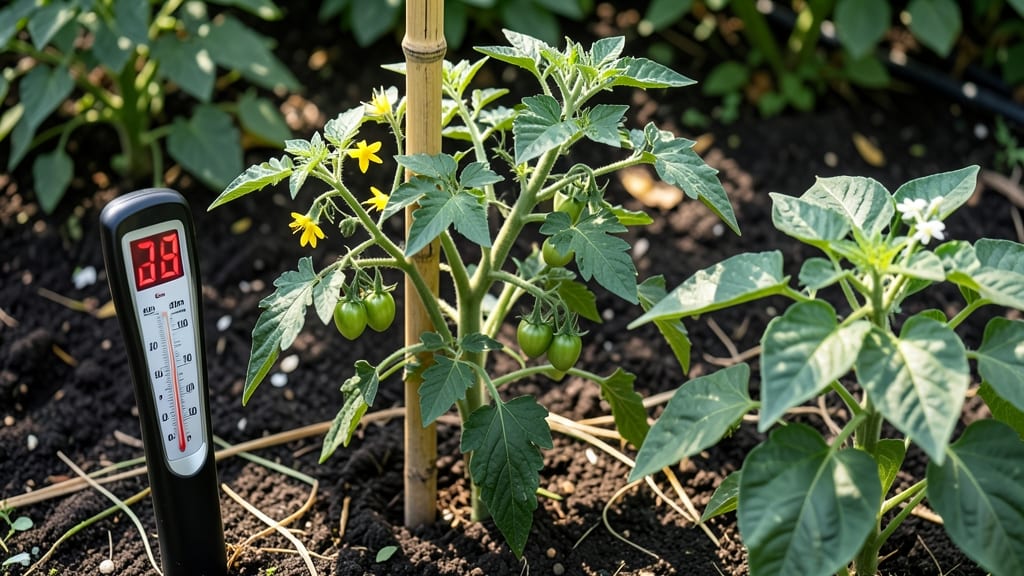
The lowest temperature for tomatoes and peppers you can safely push them to is 32°F—but only if you’ve picked the right cold-hardy varieties and wrapped them in cozy layers. 🌱 I learned the hard way when my first frost turned my prized plants into mushy pulp, but now I grow Stupice tomatoes and Arpad F1 peppers that survive down to 28°F with protection.
The secret isn't just the variety—it's timing. Seedlings need 70-85°F to germinate, while mature plants can tolerate brief dips into the 40s if hardened off properly. My zone 5 garden now produces tomatoes until October, and peppers stay productive until the first hard frost.
You'll avoid bitter flavors and stunted growth by choosing the right types and using row covers or cold frames when temps drop below 50°F. The payoff? Fresh harvests weeks longer than neighbors with standard varieties.
Works for gardeners in zones 3-7—just adjust protection based on your last frost date. Here's how to make it work without losing your plants to cold snaps!
📚 In This Guide
- What you need
- Instructions
- Tips and common mistakes
- Wrapping up and next steps
What you need
- ● Cold-hardy seeds or seedlings: 2–4 packets of Siberian, Stupice, or Mountain Merit tomato seeds (for early planting).
- ● 2–4 packets of Arpad F1 or Carmen pepper seeds (peppers tolerate cooler temps better than tomatoes).
- ● Growing containers or raised beds: 5–10 gallon pots (with drainage holes) or 4’x8’ raised beds (if planting in-ground).
- ● Black plastic mulch (10–20 ft roll) to retain heat.
- ● Soil & amendments: 1 cubic yard of well-draining potting mix (or garden soil amended with compost).
- ● 1 lb of balanced fertilizer (10-10-10 or organic options like fish emulsion).
- ● 2–3 cups of perlite or vermiculite (for aeration in containers).
- ● Protection gear: Frost cloth or row covers (10’x20’ sheet) for nights below 32°F (0°C).
- ○ Mini greenhouse or cold frame (optional but helpful for 28°F (-2°C) temps).
- ● Hand trowel or transplanting spade.
- ● Garden gloves (to protect from prickly stems!).
- ● Watering can or hose with a gentle spray nozzle.
- ● pH testing kit (ideal soil pH: 6.0–6.8 for tomatoes; 6.0–7.0 for peppers).
- ● Thermometer (soil and air) to monitor minimum safe temps.
- ● Grow lights (LED full-spectrum) for seed starting or extending the season.
- ● Coffee grounds or banana peels (for potassium-rich compost).
- ● Epsom salt (1 tbsp per plant) to boost magnesium for cold-stressed plants.
- ● Drip irrigation system (to prevent soil temp fluctuations).
How to select and protect cold-hardy tomatoes and peppers
Cold-sensitive plants like tomatoes and peppers need strategic planning to survive chilly nights—here's how to choose and protect them.
🌱 Step 1: Choose Varieties with Proven Cold Tolerance
Start with cold-hardy heirloom varieties like 'Stupice' tomatoes (tolerates 32°F for short periods) or 'Carolina Wonder' peppers (handles 35°F). These breeds have thicker leaves and slower metabolism that resists cold damage. Check seed packets for minimum temperature ratings—anything below 50°F requires extra protection.
I always cross-reference with USDA Plant Hardiness Zone maps. If you're in Zone 7 or below, focus on varieties labeled "cold-tolerant" or "early-maturing"—they finish production before frost. For example, 'Mountain Merit' tomatoes mature in 65 days, giving them time to ripen before fall temperatures drop.
☀️ Step 2: Extend the Growing Season with Seasonal Adjustments
Use black plastic mulch or straw mulch to warm soil by 5-10°F—this is critical for peppers, which wilt at 55°F. Lay mulch 2-3 weeks before transplanting to let soil heat up. I also plant warm-season crops like tomatoes and peppers in raised beds, which drain better and warm faster than ground soil.
For early starts, plant in late May instead of April—soil temperatures below 55°F stunt root growth. Use a soil thermometer to confirm daytime highs of 65°F before transplanting. Cold soil shocks roots, making plants more vulnerable to temperature swings.
🪴 Step 3: Provide Physical Protection During Cold Snaps
When nighttime temperatures dip below 50°F, cover plants with frost blankets or row covers secured with bricks or stakes. Remove covers by 10 AM to prevent overheating. For peppers, which are even more sensitive, I add mini greenhouses made from clear plastic bottles cut in half—these create microclimates that stay 10°F warmer than ambient air.
If frost is forecasted, water plants deeply the night before—moist soil holds heat better than dry soil. Avoid wetting foliage, as wet leaves freeze faster. I also prune lower leaves to improve airflow, reducing the risk of frost damage on tender stems.
✂️ Step 4: Monitor and Adjust for Temperature Fluctuations
Watch for early signs of cold stress: yellowing leaves, stunted growth, or blackened stems (a sure sign of frost damage). If you see wilting in the morning, it’s a sign roots were chilled overnight. Move potted plants to a sheltered spot or garage during extreme cold snaps—even a 40°F drop can kill peppers.
For container-grown plants, bury pots deeper in the soil to insulate roots. Add straw mulch around the base to trap heat. If temperatures drop below 32°F, cover pots with bubble wrap or towels—this prevents freeze-thaw cycles, which crack cell walls and kill plants.
🌿 Step 5: Harvest Before Frost Hits
If frost is inevitable, harvest green tomatoes and peppers—they’ll ripen indoors if given sunlight and warmth. Place them in a paper bag with a banana (ethylene gas speeds ripening) and store in a 60-65°F room. For tomatoes, cut stems short to prevent rot during storage.
Don’t wait until the last minute—unripe fruit won’t recover from frost. I always check the 10-day forecast and harvest 3-4 days before the first frost date. Peppers, in particular, turn mushy and inedible if left on the plant during a freeze.
Tips & tricks for cold-hardy tomato and pepper cultivation
Here's what I've learned after years of growing tomatoes and peppers in cooler climates—these tricks make all the difference when temperatures dip unexpectedly.
Variety Selection Wisdom: The 32°F and 35°F tolerance ratings you see on seed packets aren't just marketing—they're based on real-world testing. For example, 'Stupice' tomatoes can handle brief cold snaps because their thicker leaves act like built-in insulation. When selecting varieties, prioritize those labeled "cold-tolerant" or "early-maturing" (like 'Mountain Merit' with its 65-day maturity). These aren't just buzzwords—they're bred for resilience, and you'll notice the difference when nighttime temperatures flirt with freezing.
Soil Temperature Strategy: That 65°F soil temperature threshold isn't arbitrary—it's when roots stop growing and become vulnerable. I've ruined multiple plantings by ignoring this rule and transplanting too early. Use a soil thermometer to confirm daytime highs before planting. For containers, bury them deeper in the soil to create an insulating buffer. You'll see roots grow more vigorously when soil stays consistently above 55°F, especially for peppers which wilt dramatically below this mark.
Protection Layering: The 10°F temperature boost from mini greenhouses or plastic bottles might seem small, but it's the difference between survival and loss during cold snaps. Combine this with frost blankets (remove by 10 AM to avoid overheating) and you've created a layered defense system. For peppers, which are even more sensitive than tomatoes, I've found that adding a layer of straw mulch around the base raises soil temperatures by an extra 2-3°F—every degree counts when temperatures hover around 35°F.
Harvest Timing: Those 3-4 days before frost aren't just a suggestion—they're critical for saving your crop. Green tomatoes and peppers can ripen indoors if harvested at the right time. I've learned this the hard way after watching perfectly good peppers turn mushy overnight. Place harvested peppers in paper bags with bananas (the ethylene gas speeds ripening) and store them in a 60-65°F room. You'll be amazed at how many you can salvage when you act early.
Pro Tips for Lowest Temperature For Tomatoes And Peppers
- Here's what I've learned after years of growing tomatoes and peppers in cooler climates—these tricks make all the difference when temperatures dip unexpectedly.
- Variety Selection Wisdom: The 32°F and 35°F tolerance ratings you see on seed packets aren't just marketing—they're based on real-world testing.
- Soil Temperature Strategy: That 65°F soil temperature threshold isn't arbitrary—it's when roots stop growing and become vulnerable.
Frequently asked questions
Got chilly questions about keeping your tomatoes and peppers happy in cooler weather? Here are some of the most common ones—and the answers to help you avoid frostbite (or frostbite-flavored produce!).
What’s the absolute lowest temperature tomatoes and peppers can survive?
Most standard tomatoes and peppers will suffer damage below 50°F (10°C). However, cold-hardy varieties (like 'Tyee' tomatoes or 'Armenian Red' peppers) can tolerate brief dips to 28–32°F (-2 to 0°C). Prolonged exposure below freezing will kill even the toughest plants—so act fast if frost is forecast!
Can I grow tomatoes or peppers in cold climates at all?
Use season extenders like cold frames, row covers, or greenhouses to shield plants from frost. Alternatively, opt for short-season varieties or start seeds indoors 6–8 weeks before the last frost. Some gardeners even grow peppers in containers and move them indoors overnight during cold snaps!
Why do my peppers turn bitter or bland in cold weather?
Cold stress triggers capsaicin and sugar shifts, making peppers taste harsher or less sweet. To prevent this, harvest before temperatures drop below 60°F (15°C). If you’re already dealing with bitter peppers, try cooking them—heat can mellow flavors. For tomatoes, red-ripe varieties handle cooler temps better than green ones.
What’s the best way to protect my plants from an unexpected frost?
Act fast with these emergency frost fixes:
- Cover plants with frost cloth, blankets, or even cardboard boxes (remove by midday to avoid overheating).
- Water the soil before the frost—moist earth retains heat better.
- Group containers together and wrap them in bubble wrap for extra insulation.
- Use heat sources like string lights or old Christmas lights (safely!) to add warmth.
If frost hits, check plants daily—damaged leaves can recover, but frozen stems won’t.
Can I save my tomato or pepper plants if they’ve already been frostbitten?
It depends! If only the leaves are damaged, prune them back and monitor the plant. If the stem or roots are frozen, the plant is likely dead—compost it to avoid disease. For peppers, harvest any remaining fruit (even if unripe) and save seeds for next year. Tomatoes may produce a few more fruits if the core stays intact.
Pro Tip: When in doubt, harvest!
If a hard frost is coming and your plants are struggling, pick what you can—even underripe tomatoes and peppers can ripen indoors. Store them in a cool, dark place (like a paper bag with a banana for ethylene gas) to speed up the process. Better a small harvest than none at all!
Wrapping up and next steps
Understanding the lowest temperature for tomatoes and peppers is key to protecting your garden—and your harvest! 🌱 While most varieties struggle below 32°F (0°C), cold-hardy selections like ‘Everglide’ tomatoes or ‘Armenian Red’ peppers can brave chilly nights with the right care.
Whether you’re extending the season, experimenting with heirlooms, or just curious about resilience, your garden’s success starts with smart choices.
Ready to take the next step? Start by selecting cold-tolerant varieties, prepping your soil, and monitoring forecasts. Your thriving garden—and delicious harvest—are just a few degrees away! 🌡️✨