
Planting
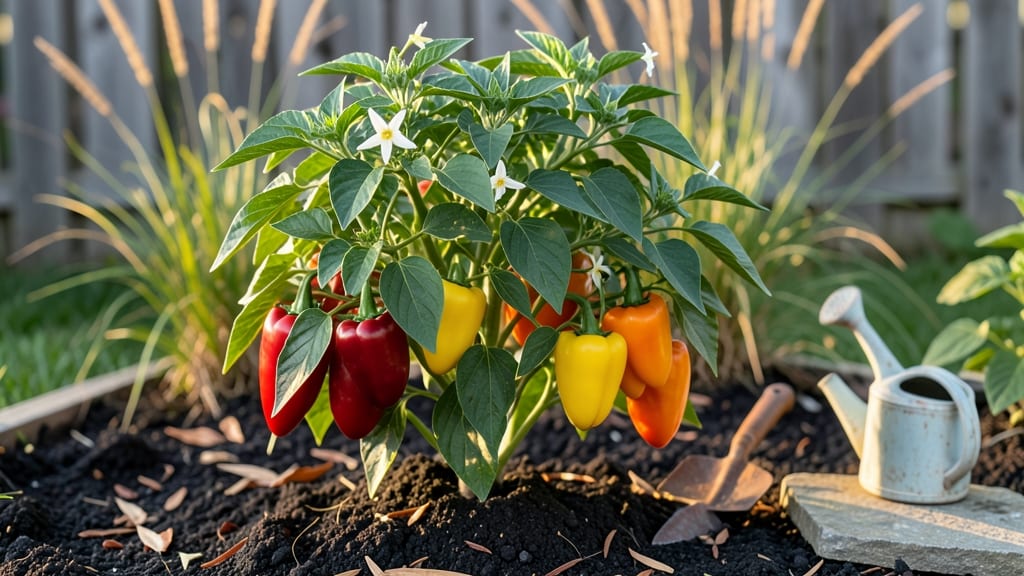
Determining whether ornamental pepper plants are edible depends on the variety—common culinary types like chili peppers, jalapeños, and bell peppers are safe to eat, while decorative varieties such as Capsicum annuum ‘Black Pearl’ or Capsicum pubescens may contain toxins in large quantities. Always verify identification before consuming, as different plant parts (fruit, leaves, or seeds) can vary in safety.
Not all ornamental peppers are created equal when it comes to edibility. 🔥 While many garden varieties like jalapeños or habaneros are staples in kitchens worldwide, their decorative cousins often have different safety profiles.
For example, Capsicum pubescens (like the Rocoto) can be eaten in small amounts but may cause stomach upset if overconsumed. The key is cross-referencing with trusted sources like the USDA database or consulting local horticultural experts before taking a bite.
Even then, I recommend starting with just a tiny sample—some varieties can have subtle but potent effects.
What often trips people up is the visual similarity between edible and toxic species. Solanum plants, for instance, can mimic pepper foliage but contain dangerous alkaloids.
Always examine the plant structure: true peppers have smooth, waxy leaves and berry-like fruits, while toxic look-alikes may have hairy stems or irregular leaf patterns. If you're unsure, cook a small piece first—heat can neutralize some compounds, but not all.
💡 In This Article
- Safe Edible Ornamental Pepper Varieties and Their Culinary Uses
- How to Identify Toxic vs. Non-Toxic Ornamental Peppers Before Eating
Safe edible ornamental pepper varieties and their culinary uses
The world of edible ornamental peppers is vast and flavorful, with some varieties doubling as stunning garden decor and kitchen staples. Take Capsicum annuum 'Fish Pepper', for example—a mild, nutty pepper that thrives in containers and produces small, 1-2 inch fruits perfect for pickling or drying into flakes.
Its heat level sits at 0-500 Scoville units, making it ideal for garnishes or blending into spice mixes without overpowering dishes.
Another standout is Capsicum frutescens 'Aji Charapita', a Peruvian heirloom with 2-3 inch fruits that range from 30,000-50,000 Scoville units—hot enough for salsas but not so intense it ruins a meal.
What makes these varieties unique is how their fruit, leaves, and even seeds can be used culinary. The fruits are the safest part, but young leaves (cooked) from mild varieties like Capsicum annuum 'Black Beauty' can add a peppery, slightly bitter note to soups or stews.
Seeds, however, should be removed from hot peppers before eating—they contain higher concentrations of capsaicin, which can cause irritation in sensitive individuals. For instance, a single habanero seed contains 100,000+ Scoville units, while the flesh might only be 100,000-350,000 units. 🌶️
Culinary applications vary dramatically by variety. Decorative bell peppers like Capsicum annuum 'Lunchbox' (with its miniature, striped fruits) are perfect for stuffing or roasting whole, while Capsicum pubescens 'Rocoto' brings a smoky, fruity heat (up to 100,000 Scoville units) that excels in fermented hot sauces or Andean stews.
Even the dried, powdered leaves of mild ornamental peppers can be used as a subtle seasoning—think of it as a milder, more aromatic alternative to oregano.
One critical factor is ripeness. Unripe fruits (green) often have less heat but more acidity, while fully ripe peppers develop deeper flavors and higher capsaicin levels. For example, a jalapeño at green stage might be 2,500-8,000 Scoville units, but turn red and reach 8,000-15,000 units.
This shift in heat and sweetness is why chefs often use ripe peppers for sauces and pickles, reserving unripe ones for quick cooking where acidity cuts through richness.
If you're growing ornamental peppers for eating, consider their growth habits. Compact varieties like Capsicum annuum 'Purple Flash' (with purple-to-red fruits) are perfect for containers, while trailing types like Capsicum frutescens 'Tajín' need trellises.
The key is matching the plant's needs to your space—this ensures you'll have a reliable harvest of safe, flavorful peppers year after year. Just remember: always start with a small taste test, even from trusted varieties, as individual tolerances to capsaicin vary widely.
For those experimenting with fermentation, ornamental peppers shine in hot sauces or kimchi. The lactic acid bacteria in fermentation break down capsaicin slightly, mellowing the heat while preserving the pepper's complex flavors.
A 3-4 week fermentation of habanero or rocoto peppers with garlic and vinegar creates a sauce that's smooth, tangy, and deeply aromatic—far more nuanced than store-bought versions. The visual contrast of deep purple or black peppers against bright sauces also makes them a chef's secret weapon for plating.