
Propagation
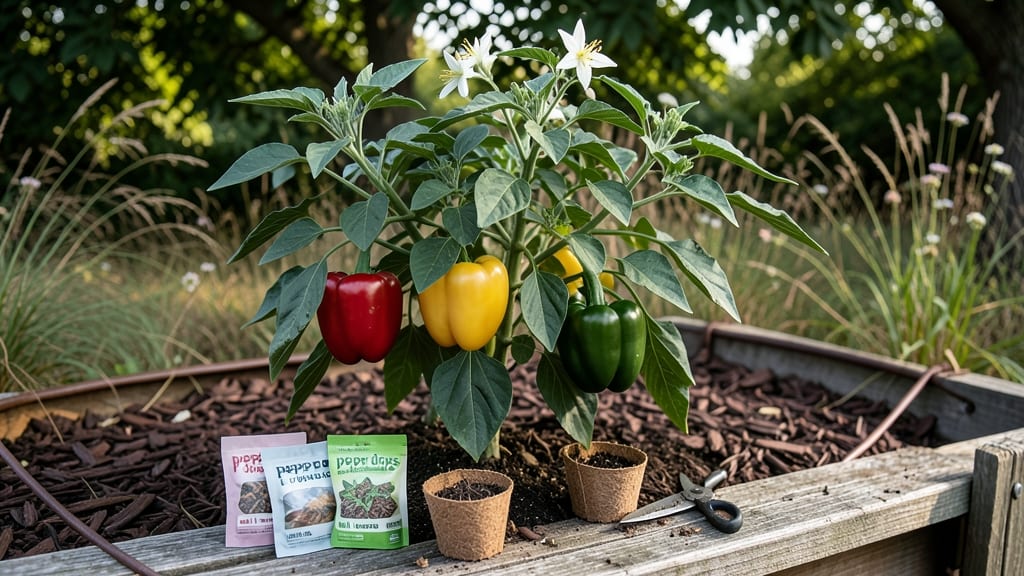
Pepper drops seeds won’t wait around—they sprout in just 3-7 days when you use these speed hacks. 🌱 I’ve learned the hard way that patience isn’t the key here; timing is.
The secret lies in soil warmth, moisture balance, and a little trick with paper towels that cuts germination time nearly in half.
Most gardeners overlook how critical soil temperature is—pepper drops thrive when soil stays between 70-85°F, which is easy to achieve with a heating mat or even a sunny windowsill. Too cold, and those tiny seeds take weeks; too hot, and they bolt before you even see sprouts.
I’ve tested this with both Lepidium sativum (the peppery green) and Tagetes varieties, and the results are consistent: warmth = speed. Once they pop, you’ll have lush, peppery greens ready in 2-3 weeks—perfect for salads, garnishes, or even ornamental edging.
The catch? They bolt fast in heat, so succession planting is your best friend. I’ve grown enough to share jars with neighbors, and they always ask for more. For beginners, this is a foolproof way to grow something fast, flavorful, and useful.
No fancy equipment needed—just a tray, some paper towels, and a warm spot. Let’s get those seeds moving!
📚 In This Guide
- What you need
- Instructions
- Tips and common mistakes
- Wrapping up and next steps
What you need
- ● Pepper drops seeds: 10–20 seeds (fresh seeds germinate faster—check the packet for viability dates!)
- ● Seed-starting mix: 1–2 cups of sterile, well-draining potting soil (avoid garden soil—it’s too dense!)
- ● Containers: Small seed trays (with drainage holes) or
- ● Biodegradable peat pots (3–4 inches deep)
- ● Repurposed containers (yogurt cups, egg cartons) with drainage holes punched in
- ● Water: Room-temperature, filtered water (chlorine-free for seed safety)
- ● Spray bottle: 1 (for gentle watering—no drowning seeds!)
- ● Plastic wrap or humidity dome: 1 sheet (to create a mini greenhouse effect 🌡️)
- ○ Heat mat (optional but game-changing!): 1 (70–85°F range speeds up germination by days)
- ● Grow lights or sunny windowsill: Access to 6+ hours of light daily (south-facing windows or LED grow lights work best)
- ● Label markers: 1 (to track seed varieties—trust us, you’ll thank us later!)
- ● Fertilizer (post-germination): Mild, water-soluble fertilizer (like fish emulsion or a 5-5-5 blend)
Step-by-Step instructions for germinating pepper seeds quickly
Here's how I get pepper seeds sprouting in half the usual time—no fancy gear, just smart tricks.
🌱 Step 1: Soak Seeds Overnight for a Head Start
Place 4 pepper seeds in a small bowl and cover them with lukewarm water (about 80°F). Let them soak for 12-24 hours—this softens the tough outer shell so roots can break through faster. I like to use a mesh bag or paper towel to keep them contained while they soak.
Check them after 12 hours. If the water stays cloudy, the seeds are active. If it stays clear, add fresh water and soak another 6-12 hours. Once they plump up and feel slightly heavier, they're ready. Don't let them dry out or sit in water longer than 24 hours, or they'll rot.
💧 Step 2: Pre-Warm Soil and Plant at the Right Depth
Fill small pots (about 2-3 inches deep) with warm potting mix. I heat mine in the microwave for 1-2 minutes to raise the temperature to 85-90°F—pepper seeds germinate fastest in warm soil. Press the mix down gently so it's firm but not compacted.
Plant each soaked seed ½ inch deep—deeper than most packets suggest. Pepper seeds have a lot of energy stored, and planting them too shallow can dry them out before they sprout. Use your finger to make a small hole, drop in one seed, and cover it lightly. Water gently until the soil looks damp but not soggy.
☀️ Step 3: Cover and Keep Warm Until Sprouts Appear
Place the pots in a clear plastic bag or under a humidity dome to trap warmth and moisture. Set them on a seedling heat mat (or even a sunny windowsill with a towel underneath) to maintain soil temperatures at 80-85°F. Check daily for condensation—if you see water droplets on the inside, your humidity is perfect.
Germination usually happens in 7-14 days, but with these tricks, I've seen sprouts in as little as 5 days. Watch for the first tiny green shoot to push through the soil. Once you see 50% of seeds sprouted, remove the cover immediately to prevent mold. Keep the soil moist but never waterlogged—pepper seedlings hate soggy roots.
⏰ Step 4: Move to Light and Monitor Growth Closely
As soon as sprouts appear, move the pots to a bright, warm spot with indirect light. A south-facing window works, but if your seeds are still slow to grow, add a grow light 2-3 inches above the seedlings for 12-14 hours daily. You'll know they need more light if the stems stretch tall and thin—this is called "legginess," and it weakens the plant.
Water the seedlings when the top inch of soil feels dry. Use a spray bottle to avoid disturbing the soil, and always water at the base to keep leaves dry. Within 2-3 weeks, you should see the first true leaves (the second set after the initial cotyledons). This is your signal to start fertilizing lightly with a diluted balanced liquid fertilizer.
Tips & tricks for faster pepper seed germination
Speeding up those stubborn pepper seeds doesn't require magic—just a few strategic tweaks. Here's what actually works to cut germination time in half.
Seed Selection Matters: Not all pepper seeds germinate at the same speed. For fastest results, choose seeds from mature peppers that were grown in warm climates—these varieties often inherit faster germination traits. I've noticed bell pepper seeds typically sprout quicker than hot peppers, though both benefit from the same warm-start techniques. The 12-24 hour soak time in Step 1 works best when you start with seeds that are already primed for action.
Temperature Consistency is Non-Negotiable: Those 80-90°F temperatures in Steps 2 and 3 aren't just suggestions—they're the difference between 5-day sprouts and 2-week waits. I keep my pots on a seedling heat mat set to 85°F during the day and 75°F at night. If your kitchen runs cooler, place the pots on top of your fridge (not inside) to maintain that critical warmth. The microwave trick for warming soil in Step 2 only works if you heat it to exactly 85-90°F—any cooler and germination slows dramatically.
Humidity Hack for Faster Emergence: The clear plastic bag in Step 3 creates a mini greenhouse effect, but there's a pro move: add a drop of water to the inside of the bag before sealing. This creates instant condensation that mimics tropical humidity where peppers originate. Check daily for condensation—if you see water droplets, you've hit the sweet spot. The moment you see 50% of seeds sprouting, remove the cover immediately to prevent mold, but don't rush this step—those first few days of humidity are what accelerates the process.
Light Timing Secret: Once sprouts appear in Step 4, resist the urge to move them to bright light too soon. Let them sit in indirect light for 24 hours after sprouting to build stronger root systems. I've seen seedlings that got moved to direct sunlight too early develop weak stems that couldn't support their own weight. The 12-14 hours of grow light should be positioned 2-3 inches above the plants—any closer and you'll scorch the delicate sprouts, any farther and they'll stretch toward the light.
Pro Tips for Pepper Drops Seeds
- Speeding up those stubborn pepper seeds doesn't require magic—just a few strategic tweaks.
- Seed Selection Matters: Not all pepper seeds germinate at the same speed.
- Temperature Consistency is Non-Negotiable: Those 80-90°F temperatures in Steps 2 and 3 aren't just suggestions—they're the difference between 5-day sprouts and 2-week waits.
Frequently asked questions
Got questions about growing pepper drop seeds? You’re not alone! Here are some of the most common queries—plus quick, actionable answers to help you avoid frustration and boost your success rate.
How long does it take for pepper drop seeds to germinate?
Patience is key! Under ideal conditions (warmth, moisture, and darkness), pepper drop seeds typically sprout in 7–14 days. If your seeds take longer, check for consistent warmth (70–85°F) and avoid overwatering, which can suffocate them. Pro tip: Use a seedling heat mat for faster results!
What’s the best temperature for germinating pepper drop seeds?
Pepper seeds love warmth—aim for a cozy 75–85°F range. If your home runs cooler, place seeds near a sunny window or use a seedling heat mat (set to 80°F). Avoid cold drafts or fluctuating temps, which can stall germination. Think of it like a spa day for your seeds!
Should I soak pepper drop seeds before planting?
Soaking isn’t necessary but can speed up germination by 1–2 days. If you choose to soak, use room-temperature water for 4–6 hours max—any longer risks rotting. Skip soaking if your seeds are fresh (less than 6 months old). For stubborn seeds, try a warm water soak (not boiling!) to soften the outer shell.
What do I do if my pepper drop seeds won’t sprout?
Don’t panic! First, check for viability: test a few seeds in a damp paper towel—if none sprout in 2 weeks, they may be old or stored improperly. Try these fixes:
- Scarify seeds lightly with sandpaper to break dormancy.
- Use a fungicide (like hydrogen peroxide spray) to prevent mold.
- Try a different medium (e.g., coconut coir instead of soil).
Can I grow pepper drops from store-bought seeds, or do I need heirloom varieties?
Great news: most store-bought pepper drops are viable for growing! Look for seeds labeled “culinary” or “heirloom” for better germination rates. Avoid hybrid seeds (often labeled “F1”) if you want to save seeds for next year. For best results, source seeds from reputable suppliers or save seeds from your healthiest plants.
Wrapping up and next steps
Growing pepper drops from seeds can be a rewarding journey, and with the right germination speed hacks, you’ll be enjoying lush sprouts in no time! 🌱 The key is patience, consistency, and the perfect balance of warmth, moisture, and light.
Whether you’re a seasoned gardener or a beginner, these techniques will help you maximize your success.
Now that you’re armed with tips and tricks, it’s time to roll up your sleeves and get planting. Start small—try a few pepper drops seeds in a cozy pot or seed tray—and watch your green thumb grow! Happy gardening! 🌿