
Leaf Blower
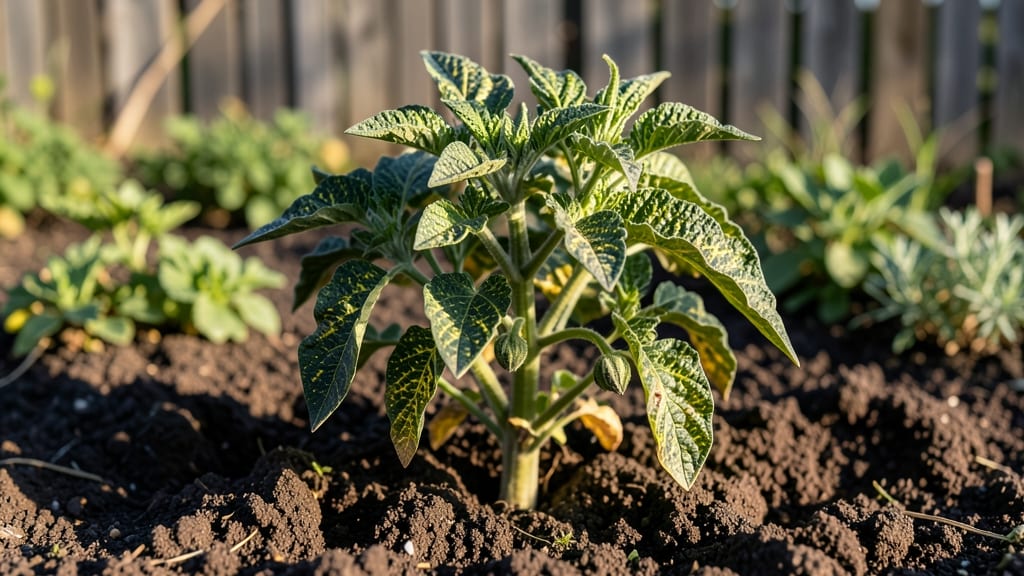
That first sight of curled, brittle pepper leaves can turn your garden dreams into a nightmare—pepper leaf curl virus spreads faster than you’d think, and once it’s there, recovery is nearly impossible. 🌱 I’ve lost entire plants to this stubborn virus, but I’ve also learned how to spot it early and stop it from ruining your harvest before it starts.
The virus hitches a ride on aphids and whiteflies, so your first line of defense is keeping those pests in check. Crop rotation, resistant varieties like ‘Aristotle’ or ‘Carmen,’ and sticky traps for insects make all the difference.
I’ve seen gardens go from hopeless to thriving just by breaking the virus’s cycle before it begins.
If you catch it early, removing infected plants immediately and sterilizing tools can save your remaining crop. For stubborn cases, neem oil or insecticidal soap disrupts the aphids without harming pollinators—just spray at dusk when bees aren’t active. The key is acting fast before the virus spreads to healthy plants.
This isn’t just about saving a few peppers—it’s about rebuilding a garden that stays healthy year after year. Let’s tackle this step by step before your plants become another casualty.
Root Causes Of Plant Decline
Understanding why plants succumb to viral infections like pepper leaf curl helps gardeners and farmers take proactive steps. This condition doesn’t appear out of thin air—it’s the result of specific interactions between pathogens, vectors, and environmental factors. Let’s break down the key culprits behind its spread.
Whiteflies are the primary culprits in transmitting the pepper leaf curl virus. These tiny, winged insects feed on plant sap and inadvertently spread the virus from infected to healthy plants through their saliva. Here’s how it works:
- Feeding Behavior: Whiteflies inject saliva into plants while feeding, which can carry the virus particles.
- Rapid Reproduction: A single female whitefly can lay hundreds of eggs, leading to explosive infestations in warm, humid climates.
- Movement: They easily hitch rides on wind currents, tools, or even human clothing, spreading the virus across gardens and farms.
Actionable Tip: 💡 Monitor plants regularly for whitefly clusters (especially on the undersides of leaves) and use yellow sticky traps to catch them early.
Plants with compromised immune systems are more susceptible to viral infections. Stressors like poor nutrition, drought, or physical damage create entry points for pathogens. Common triggers include:
- Nutrient Deficiencies: Lack of essential nutrients (e.g., nitrogen, phosphorus, or potassium) weakens cell walls, making plants vulnerable.
- Water Stress: Overwatering or drought can disrupt plant metabolism, reducing resistance.
- Mechanical Damage: Pruning wounds or pest bites create openings for viruses to invade.
Pro Tip: 🌡️ Maintain balanced soil health with compost or organic fertilizers and avoid overwatering to bolster plant defenses.
Viruses thrive in environments that support their vectors and the plants they infect. Key climate factors include:
- Warm Temperatures: Whiteflies and the virus multiply faster in temperatures between 77–95°F (25–35°C).
- High Humidity: Moist conditions encourage whitefly survival and viral spread.
- Seasonal Peaks: Outbreaks often spike in spring and summer, when whitefly populations explode.
Strategic Insight: ✨ In regions with predictable seasons, schedule preventive measures (like neem oil sprays) before peak whitefly activity.
Human activity can accidentally transport the virus between plants. Common vectors include:
- Gardening Tools: Pruners, gloves, or even boots can carry viral particles from infected to healthy plants.
- Transplanting: Moving infected seedlings or cuttings spreads the virus to new areas.
- Windborne Debris: Fallen leaves or plant fragments may harbor the virus and infect nearby crops.
Prevention Checklist:
- 🔪 Sterilize tools with 70% alcohol between uses.
- 🚫 Avoid transplanting from infected patches.
- 🌬️ Clear debris regularly to reduce viral reservoirs.
The pepper leaf curl virus has spread worldwide through the movement of infected plant material. Even certified "disease-free" plants can carry latent infections. Key risks include:
- Seed And Seedling Shipments: Viruses can lie dormant in seeds or young plants until conditions are right.
- International Trade: Exotic plant varieties may introduce new viral strains to local ecosystems.
Actionable Step: 🎯 Source seeds from reputable suppliers and quarantine new plants for observation before introducing them to your garden.
Quick Fixes for Leaf Curl Woes
If your pepper plants are showing signs of curling, yellowing, or stunted growth, don’t panic—there are practical steps you can take to manage and even reverse the damage caused by pepper leaf curl virus.
The key is acting fast, combining preventive measures with direct treatments to weaken the virus’s hold. Below, we break down solutions by cause, so you can tackle the problem head-on.
Cause: The virus spreads rapidly through sap, insects (like whiteflies), and contaminated tools. Keeping infected plants nearby only worsens the outbreak.
Fix:
- 🔪 Snip and toss: Remove any plants showing symptoms (curled leaves, distorted growth, yellowing) as soon as you spot them. Do not compost them—burn or trash them to prevent reinfection.
- 🚫 Quarantine new plants: If you suspect a new plant is infected, isolate it for 2–3 weeks before introducing it to your garden.
- 🧼 Sterilize tools: Clean pruners, gloves, and pots with 70% rubbing alcohol or a 10% bleach solution (1 part bleach to 9 parts water) between uses.
Pro Tip: 💡 Check the undersides of leaves—this is where whiteflies (a major virus vector) love to hide. A neem oil spray (1 tbsp neem oil + 1 tsp mild soap per liter of water) can deter them before they spread the virus.
Cause: Weak or stressed plants are more vulnerable to viral attacks. Poor nutrition, water stress, or extreme temperatures lower their defenses.
Fix:
- 💧 Water wisely: Keep soil consistently moist (but not soggy) to avoid stress. Drip irrigation reduces leaf wetness, which attracts whiteflies.
- 🍽️ Feed them right: Use a balanced fertilizer (10-10-10 or 20-20-20) every 4–6 weeks. For organic growers, compost tea or fish emulsion boosts immunity.
- 🌡️ Optimize growing conditions: Peppers thrive in warmth (70–85°F) and full sun (6+ hours/day). Avoid sudden temperature swings, which stress plants.
Pro Tip: ✨ A seaweed extract spray (1 tsp per gallon of water) every 2 weeks can enhance plant resilience naturally.
Cause: Whiteflies and aphids are the #1 carriers of pepper leaf curl virus. Without control, they’ll keep reinfecting healthy plants.
Fix:
- 🍯 Sticky traps: Hang yellow sticky traps near plants to monitor and reduce whitefly populations.
- 🌿 Neem oil or insecticidal soap: Spray every 5–7 days (especially after rain) to kill insects on contact. Mix:
- Neem oil: 2 tbsp + 1 tsp soap per gallon of water.
- Insecticidal soap: Follow label instructions (e.g., Safer® Brand).
- 🕷️ Encourage predators: Ladybugs, lacewings, and parasitic wasps eat whiteflies. Buy them online or attract them with dill or fennel plants nearby.
Pro Tip: 🔥 Spray in the early morning or late evening to avoid harming bees and other beneficial insects.
Cause: Viruses persist in soil, tools, and even seed sources. Without prevention, the problem will recur year after year.
Fix:
- 🌱 Choose resistant varieties: Some pepper types (like ‘Aristotle’ or ‘Perennial’) show better tolerance to leaf curl. Check seed packets for virus-resistant labels.
- 🌍 Rotate crops: Avoid planting peppers (or related plants like tomatoes/eggplants) in the same spot for 3–4 years to break the virus cycle.
- 🚫 Buy certified disease-free plants: Nursery-grown seedlings are less likely to carry viruses than seeds (though seeds can also be contaminated).
- 🧴 Solarize soil (for severe cases): In hot climates, cover infected soil with clear plastic for 4–6 weeks to kill viruses and pests naturally.
Pro Tip: 🎯 If you’re growing peppers in containers, sterilize pots with a 10% bleach solution before reuse—viruses can linger on plastic and fabric.
Cause: Infected plants may still produce some edible fruit if managed early. Pruning helps direct energy to fruit rather than fighting the virus.
Fix:
- ✂️ Prune aggressively: Cut off severely curled or yellowed leaves to reduce virus load. Focus on new growth—it’s often less infected.
- 🪑 Provide support: Use cages or stakes to keep plants upright, improving airflow and reducing stress.
- 🍅 Prioritize fruit: If flowers appear on lower, less infected branches, let them develop while removing upper, distorted growth.
Pro Tip: 💪 Harvest peppers as soon as they ripen—this reduces plant stress and may slow virus progression.*
While there’s no cure for pepper leaf curl virus, these steps can slow its spread, protect healthy plants, and maximize your harvest. Combine removal, prevention, and pest control for the best results.
And remember: healthy soil = healthy plants—focus on organic matter, proper watering, and balanced nutrients to give your peppers the fighting chance they need.
Stay vigilant, and happy growing! 🌿🔥
Frequently asked questions
What are the first signs of pepper leaf curl virus in my plants?
Look for cupped or curled leaves starting at the tips, followed by yellowing or browning between veins. You may also notice stunted growth or distorted new leaves. These symptoms appear within 2-4 weeks after infection, so early detection is critical.
Can I save a pepper plant already infected with leaf curl virus?
Unfortunately, there's no cure once a plant is infected, but you can maximize fruit production by pruning severely affected leaves and focusing care on healthy growth. Remove all infected plants from your garden immediately to prevent spread to others.
How do I prevent whiteflies from spreading the virus?
Start with yellow sticky traps to monitor populations, then use neem oil (2 tbsp per gallon) or insecticidal soap every 5-7 days. Plant dill or fennel nearby to attract natural predators like ladybugs, and spray in early morning/evening to protect bees.
Are there pepper varieties that resist leaf curl virus?
Yes! Varieties like 'Aristotle' and 'Carmen' show better tolerance. Always check seed packets for virus-resistant labels, and consider container growing if your soil has a history of infection—sterilize pots with 10% bleach solution between uses.
Will crop rotation really help stop the virus?
Avoid planting peppers in the same spot for 3-4 years to break the virus cycle. Rotate with non-host plants like beans or grasses, and practice soil solarization (covering infected soil with clear plastic for 4-6 weeks) in hot climates.