
Planting
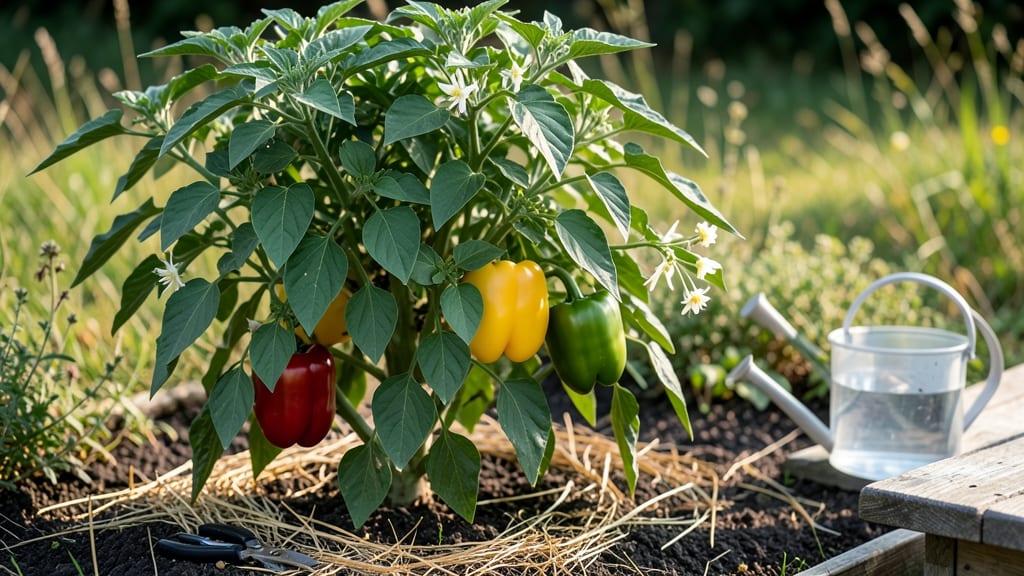
When you take pepper plant cuttings, you're doubling your harvest potential with just a few snips and a little patience. 🌱 I've propagated dozens of peppers this way, and the secret isn't fancy equipment—it's timing, clean cuts, and keeping those cuttings happy until roots form.
The best time is right after flowering but before fruits set, when the plant has energy to spare for new growth.
You'll need sharp scissors (or pruners), rooting hormone (optional but helpful), small pots with drainage, and a mix of perlite and peat moss for moisture control. My first batch failed because I used regular potting soil—too dense, and the cuttings suffocated.
The right medium keeps roots oxygenated while holding enough moisture to encourage growth.
Within 2-3 weeks, you'll see tiny white roots forming at the stem base—proof your cuttings are working. Transplant them carefully into individual pots once roots reach about 1 inch long, and keep them in bright, indirect light.
The first few days are critical; too much sun or wind stress can stall rooting.
Common mistakes? Overwatering (which causes rot) or letting cuttings dry out (which stunts growth). I learned this the hard way with my first batch of jalapeños—now I mist them lightly daily and keep humidity high with a plastic bag.
With these adjustments, you'll have thriving pepper plants ready to transplant in 6-8 weeks.
📚 In This Guide
- What you need
- Instructions
- Tips and common mistakes
- Wrapping up and next steps
What you need
- ● Healthy pepper plant: Choose a mature plant with at least 4-6 leaves and no signs of disease.
- ● Clean, sharp pruning shears or scissors: Disinfect with rubbing alcohol to prevent contamination.
- ○ Rooting hormone (optional but recommended): A powder or gel to boost root growth.
- ● Well-draining potting mix: A blend of 50% perlite or vermiculite and 50% peat or coconut coir (sterilized).
- ● Small pots or trays: 3-4 inch pots or a seedling tray with drainage holes.
- ● Clear plastic bag or propagator: To create a humid environment (e.g., a gallon-sized zip-top bag with holes punched in it).
- ● Watering can or spray bottle: For gentle hydration (avoid soaking the cuttings).
- ● Heat mat: Keeps soil warm (70–75°F) to speed up rooting.
- ● Grow lights: Provides 12–16 hours of light daily if natural light is insufficient.
- ● Hydrogen peroxide (3%): Diluted to 1:10 with water for sterilizing cut ends.
- ● Labeling tags: To track pepper varieties (e.g., jalapeño, bell, habanero).
How to root pepper plant cuttings for new plants
Here's the straightforward method I've used to double my pepper harvest—no fancy tools or guesswork.
🌱 Step 1: Select and Prepare Healthy Cuttings
Choose non-flowering stems from the top third of mature pepper plants—these grow fastest. Use 4-6 inch sections with 2-3 leaf nodes (the little bumps where leaves grow). Snip just below a node with clean, sharp scissors to avoid crushing the stem.
Remove all but the top 2 leaves to reduce moisture loss. If leaves are large, trim them in half—they'll still photosynthesize but won't drain the cutting. I like to dip the cut end in rooting hormone powder (optional but speeds things up), then tap off the excess so it doesn't clump.
💧 Step 2: Root in Water or Moist Medium
Fill a clean glass with room-temperature water (about 2 inches deep) and place the cuttings so only the nodes touch—never submerge leaves. Change the water every 3-4 days to prevent bacteria. You'll see tiny white roots in 2-3 weeks if conditions are right.
For faster results, use the 4 gallons of moist perlite instead of water. Fill a small pot with perlite, soak it until damp (like a wrung-out sponge), then stick the cuttings 1 inch deep. Cover with a plastic bag to trap humidity and place in bright, indirect light—no direct sun yet.
✂️ Step 3: Transplant When Roots Form
Once roots reach 1-2 inches long (or after 4-6 weeks in perlite), it's time to plant. For water-rooted cuttings, drain the roots well for 10 minutes before transplanting. Fill 4-inch pots with the 3 gallons of potting mix and make a hole with your finger.
Set the cutting in so the lowest leaf node sits just above soil level—this encourages new roots to form there. Gently press soil around the stem and water lightly. Keep the soil evenly moist (not soggy) and place in bright, indirect light for 1 week before introducing full sun.
☀️ Step 4: Acclimate and Care for New Plants
After 7 days, gradually introduce your new pepper plants to morning sun only. You'll know they're ready for full sun when they've developed 3-4 new leaves—usually 3-4 weeks after transplanting. Feed with a balanced fertilizer (10-10-10) every 2 weeks to encourage strong growth.
Watch for yellowing leaves—this means overwatering. Pepper cuttings need 1 inch of water per week, but the soil should dry slightly between waterings. Once they've outgrown their pots, transplant to the garden in spring or fall when temperatures stay above 55°F.
Tips & tricks for perfect pepper plant propagation
Here's what nobody tells you about turning those scraps into thriving plants—details that make all the difference.
Timing Secret: The top third of your pepper plant is where you'll find the fastest-growing stems, but only harvest cuttings in the morning when the plants are fully hydrated. This ensures your cuttings have the best chance of surviving the transplant shock. I've found that cuttings taken after a good watering the night before root even faster—just don't let them sit in standing water.
Rooting Strategy: For water rooting, the 2 inches of room-temperature water is crucial—too little and the nodes won't root properly, too much and you risk rot. I've had the best success with clear glass jars so I can monitor root development without disturbing the cuttings. If you're using perlite, that 4 gallons should be damp like a wrung-out sponge—never soggy, which can suffocate emerging roots.
Transplanting Technique: When you're ready to move your cuttings to soil, that 10-minute draining is non-negotiable. Wet roots can't breathe and will quickly develop fungus. I like to use a paper towel to gently pat the roots dry before planting—it gives you better control than just letting them drip dry. Also, make sure the lowest leaf node sits just above soil level; this is where new roots will form most vigorously.
Acclimation Insight: The 7-day gradual sun introduction is where most people fail. I've seen cuttings crisp up overnight when moved too quickly to full sun. Start with just 2-3 hours of morning sun on day one, then add 1-2 hours each subsequent day. Watch for the new leaves to develop a deeper green—this is your sign they're adjusting well to their new environment.
Pro Tips for Pepper Plant Cuttings
- Here's what nobody tells you about turning those scraps into thriving plants—details that make all the difference.
- Timing Secret: The top third of your pepper plant is where you'll find the fastest-growing stems, but only harvest cu...
- Rooting Strategy: For water rooting, the 2 inches of room-temperature water is crucial—too little and the nodes won't...
Frequently asked questions
Got questions about propagating your peppers from cuttings? You’re not alone—here are the answers to the most common queries to help you grow a thriving pepper garden!
When is the best time to take pepper plant cuttings?
The ideal time is in early spring or late summer when plants are actively growing but not flowering. Avoid taking cuttings during extreme heat or cold, as stress slows rooting. For indoor growers, any time of year works with proper lighting and humidity!
How long does it take for pepper cuttings to root?
Most pepper cuttings root in 2–4 weeks, depending on variety, humidity, and temperature. Keep them in a warm, humid environment (70–80°F) and mist daily. Patience is key—some stubborn varieties may take up to 6 weeks!
What if my pepper cuttings rot instead of rooting?
Overwatering or poor drainage are the top culprits! Ensure your cuttings have well-draining soil (like a mix of perlite and peat) and only water when the top inch feels dry. If rot appears, trim the affected area, let it dry for a day, and replant in fresh, sterile soil.
Can I root pepper cuttings in water instead of soil?
Yes! Many gardeners root peppers in water first (change weekly) before transplanting to soil. However, some varieties struggle with the transition. For best results, use a rooting hormone and move cuttings to soil once roots are 1–2 inches long.
Will my homegrown pepper cuttings produce the same fruit as the parent plant?
Cuttings are genetically identical to the parent plant, so you’ll get the same flavor, heat level, and fruit type. Just ensure your original plant is healthy and disease-free to maintain quality. Happy growing!
Wrapping up and next steps
Growing pepper plant cuttings is a rewarding way to expand your garden without breaking the bank! With just a few simple steps—selecting healthy cuttings, rooting them properly, and nurturing new growth—you’ll soon enjoy a thriving harvest.
Don’t let hesitation hold you back; give it a try and watch your green thumb flourish!
Ready to take the next step? Start with 3-5 cuttings this week and track your progress. Before you know it, you’ll be sharing your success—and maybe even swapping cuttings with fellow gardening enthusiasts! 🌱✨