
Plants
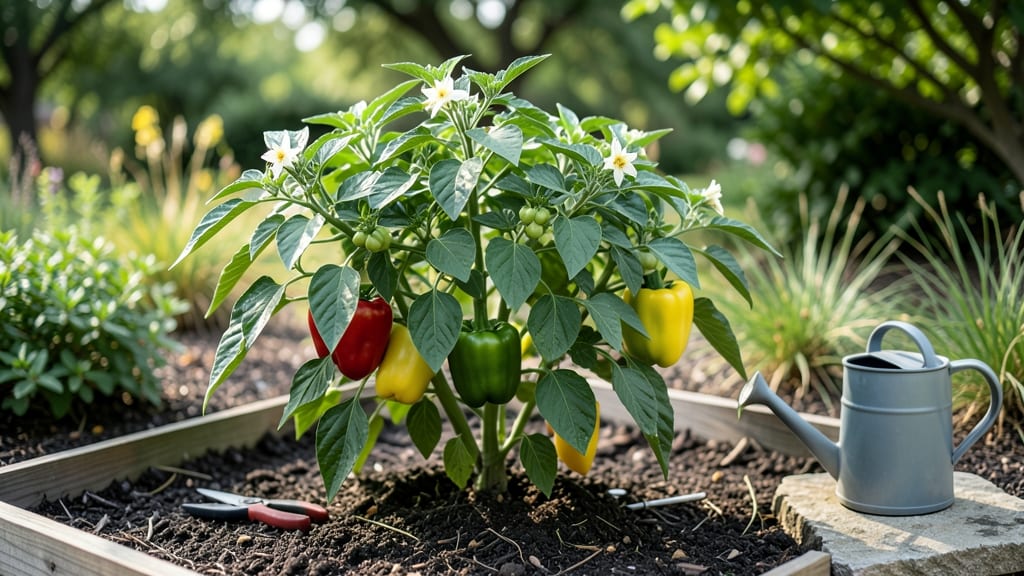
When your pepper plant leaves curl down like a sad puppy’s ears, it’s not just a cosmetic issue—it’s a distress signal. 🌱 I’ve nursed back more than my share of drooping peppers, and the first step is identifying whether you’re drowning them in water or letting them thirst.
The fix starts with a quick soil check: stick your finger in about an inch deep. Too wet? Too dry? That’s your first clue.
Most gardeners overwater by accident, thinking peppers need constant moisture like a fern. But peppers hate soggy roots—it’s the #1 reason leaves curl and yellow. If the soil’s damp, hold off on watering and let the top 2 inches dry out before touching the plant again.
For underwatering, give it a deep drink at the base, not overhead, to avoid fungal trouble. Pests like spider mites love stressed plants too, so flip those leaves over—tiny webs or speckled spots mean it’s time for neem oil.
By the time you’ve ruled out water and pests, check the stems for soft, mushy spots (bacterial infection) or strange patterns (viral). Prune any curled leaves at the base to redirect energy to healthy growth.
Within a week, you’ll see new, firm leaves pushing out if you’ve caught it early. The key is acting fast—peppers bounce back better than most when you address the root cause (literally).
Prevention is easier than rescue: water consistently, mulch to retain moisture, and keep an eye on the undersides of leaves. A simple spray of diluted neem oil every 2 weeks during hot months keeps pests at bay. Your peppers will be back to their vibrant green self in no time—promise.
Understanding Leaf Stress Signals
When your pepper plant’s leaves start curling downward, it’s not just a random quirk—it’s a cry for help from your plant. 🌱💦 These downward curls are its way of communicating stress, often triggered by environmental or biological factors.
Below, we break down the top culprits behind this common issue, using science-backed explanations to help you diagnose the problem accurately.
Pepper plants thrive in well-draining soil with a balance of moisture. When roots sit in soggy soil for too long, they struggle to absorb oxygen, leading to root rot—a silent killer that causes leaves to curl downward as the plant gasps for air.
Why it happens:
- Waterlogged roots trigger hypoxia (oxygen deprivation), disrupting nutrient uptake.
- Excess moisture encourages fungal pathogens like Phytophthora, which clog root cells and block water flow.
- Curling often starts at the older leaves (near the base) before spreading upward.
Actionable sign: Check the soil—if it’s damp more than 1 inch below the surface, you’re overwatering. Pepper plants prefer soil that’s 60% air, 40% water by volume.
On the flip side, chronic dehydration forces pepper plants to conserve water by curling leaves downward—a survival tactic to reduce surface area and limit moisture loss.
Why it happens:
- Wilting cells in the leaf tissue lose turgor pressure (the "plumpness" from water), causing them to fold inward.
- The plant prioritizes root and flower health, sacrificing leaves to stay alive.
- Curling is often paired with crispy edges or a paper-like texture.
Actionable sign: Stick your finger in the soil—if it’s bone-dry past 2 inches deep, it’s time to water. Pepper plants need 1–1.5 inches of water per week (more in heat).
Tiny pests like aphids, spider mites, or whiteflies pierce leaves to feed on sap, injecting toxins that distort cell structure and trigger curling. Their damage is often localized (e.g., one branch) but can spread rapidly.
Why it happens:
- Saliva from pests contains enzymes that disrupt plant hormones (like ethylene), causing abnormal growth.
- Spider mites (common in dry conditions) leave silver webbing on curled leaves, while aphids cluster on undersides, excreting sticky honeydew.
- Severe infestations lead to yellowing or black sooty mold (a fungal hitchhiker).
Actionable sign: Inspect leaves with a magnifying glass—look for tiny webs, speckles, or crawling insects. Neem oil or insecticidal soap can help, but act fast!
Pepper plants are tropical natives and despise extremes. Cold drafts, heatwaves, or strong winds can cause leaves to curl as a protective response.
Why it happens:
- Cold stress (below 50°F/10°C) slows metabolism, causing cells to lose rigidity.
- Heat stress (above 90°F/32°C) increases transpiration (water loss), leading to wilting curls.
- Wind damage physically tears leaf tissues, forcing them to curl to minimize exposure.
Actionable sign: If curling happens overnight or after a storm, check for temperature swings or exposed locations. Move potted plants indoors if temps drop, and use shade cloth in summer.
Leaves curl when your pepper plant can’t build proteins or maintain cell walls. Two key deficiencies often cause this:
| Nutrient | Symptoms | Fix It With |
|---|---|---|
| Nitrogen (N) | Older leaves curl yellow first, then brown. | Balanced fertilizer (e.g., 10-10-10) or compost tea. |
| Calcium (Ca) | New leaves curl upward or downward, with blossom-end rot on fruits. | Crushed eggshells, lime, or calcium nitrate. |
Why it happens:
- Nitrogen fuels leaf growth—without it, cells can’t expand properly.
- Calcium strengthens cell walls; a deficiency leads to weak, floppy tissues.
Actionable sign: Test soil pH (6.0–6.8 is ideal for peppers). If deficient, amend with organic matter or targeted supplements.
Pathogens like early blight (Alternaria solani) or bacterial leaf curl (Xanthomonas) infect pepper plants, causing leaves to distort and curl as the plant fights the invasion.
Why it happens:
- Fungal spores (e.g., blight) clog stomata (leaf pores), disrupting gas exchange.
- Bacterial infections release toxins that warp cell growth, leading to cupping or rolling.
- Curling is often paired with spots, lesions, or oily sheen (bacterial ooze).
Actionable sign: Isolate affected plants and remove damaged leaves. Use copper fungicide or bactericide as a preventative spray.
Disturbing roots—whether from repotting, harsh pruning, or physical injury—can cause leaves to curl as the plant reallocates energy to recovery.
Why it happens:
- Root pruning (e.g., from overcrowded pots) reduces water/nutrient uptake.
- Mechanical damage (e.g., digging too deep) triggers oxidative stress in roots.
- Curling may appear 1–2 weeks post-disturbance as the plant adjusts.
Actionable sign: If curling follows recent repotting or pruning, give the plant 2–3 weeks to stabilize. Avoid fertilizing until new growth appears.
Fix Your Pepper Plant’s Curling Leaves
Now that you know the likely culprits behind your pepper plant’s downward-curling leaves, it’s time to take action! 🌱💪 With the right fixes, your plant can bounce back to vibrant, healthy growth. Below are targeted solutions for each common cause, plus prevention tips to keep your peppers thriving long-term.
If your pepper plant’s leaves are curling due to soggy roots or overwatering, cut back immediately and adjust your watering habits.
Step-by-Step Fix:
- 🔥 Stop Watering – Pause all watering for 3–5 days to let the soil dry out.
- 🍳 Check the Roots – Gently remove the plant from its pot and inspect the roots.
If they’re mushy, black, or smelly, trim the damaged ones with sterilized scissors (⏰ Pro tip: Soak scissors in rubbing alcohol for 5 minutes).
- 👨🍳 Repot in Fresh Soil – Use a well-draining potting mix (add perlite or vermiculite if needed) and a pot with drainage holes.
- 🥘 Water Less Frequently – Only water when the top 1–2 inches of soil are dry.
Stick your finger in the soil to test! 5. ✨ Improve Airflow – Move the plant to a bright, airy spot (but avoid direct sun until it recovers).
💡 Prevention Tips:
- Use self-watering pots with moisture meters to avoid guesswork.
- Mulch the soil with straw or coconut coir to retain even moisture without over-saturating.
- Avoid watering on a schedule—always check soil moisture first.
Curling leaves can also signal drought stress or heat damage, especially in hot climates. Pepper plants need consistent moisture to stay happy.
Step-by-Step Fix:
- 💧 Water Deeply – Soak the soil until water drains from the bottom of the pot. Repeat every 2–3 days until leaves perk up.
- 🌡️ Provide Shade – If temperatures exceed 90°F (32°C), move your plant to a shadier spot (e.g., under a sheer curtain or in partial shade).
- 🥗 Mist the Leaves – Lightly mist foliage in the early morning to combat heat stress (avoid evening misting to prevent fungal issues).
- 🎯 Use Mulch – Spread 2–3 inches of mulch around the base to retain soil moisture and cool roots.
- 💪 Boost Humidity – Place a pebble tray with water nearby or use a humidifier if your home is very dry.
💡 Prevention Tips:
- Water in the morning so leaves dry quickly, reducing fungal risks.
- Group plants together to create a microclimate with higher humidity.
- Use drip irrigation for container plants to deliver water directly to roots.
If pests like aphids, spider mites, or whiteflies are sucking the life out of your peppers, you’ll need to act fast to prevent further damage.
Step-by-Step Fix:
- 🔪 Isolate the Plant – Move it away from other plants to prevent pest spread.
- 🍳 Spot-Clean Pests – Use a strong spray of water to knock off visible bugs.
For stubborn pests: - 🥘 Neem Oil Spray (1 tsp neem oil + 1 tsp mild soap + 1 quart water) – Spray every 5–7 days until pests are gone. - 🔥 Insecticidal Soap (follow label instructions) for severe infestations.
- 👨🍳 Prune Damaged Leaves – Cut off yellowing or curled leaves with clean scissors to redirect energy to healthy growth.
- ✨ Check for Fungus – If leaves have black spots or powdery mildew, treat with copper fungicide or a baking soda spray (1 tsp baking soda + 1 quart water + a drop of soap).
💡 Prevention Tips:
- Inspect new plants before bringing them indoors or into your garden.
- Encourage beneficial insects like ladybugs or lacewings to keep pests in check.
- Avoid overhead watering to prevent fungal spores from settling on leaves.
Yellowing or curling leaves can signal a lack of essential nutrients, especially nitrogen, potassium, or magnesium.
Step-by-Step Fix:
- 📊 Test Your Soil – Use a simple soil test kit to identify deficiencies.
- 💪 Fertilize Correctly – - For nitrogen deficiency (pale leaves): Use a balanced fertilizer (10-10-10) or fish emulsion. - For potassium deficiency (brown edges): Switch to a potassium-rich fertilizer (like 5-10-10). - For magnesium deficiency (yellow between veins): Apply Epsom salt (1 tbsp per gallon of water) every 2 weeks.
- 🥗 Compost or Worm Castings – Mix 1–2 inches of compost into the topsoil for a slow-release nutrient boost.
- ⏰ Feed in Stages – Fertilize every 4–6 weeks during the growing season (spring to fall).
💡 Prevention Tips:
- Rotate crops if growing peppers in the ground to prevent nutrient depletion.
- Use organic matter like banana peels (for potassium) or coffee grounds (for nitrogen) as natural fertilizers.
- Avoid over-fertilizing—too much salt can burn roots and worsen the problem.
If your pepper plant was recently repotted or is root-bound, its leaves may curl as it adjusts.
Step-by-Step Fix:
- 🌱 Check the Roots – If roots are circling the pot or growing out of drainage holes, it’s time to upgrade the pot.
- 🍳 Repot Gently – Choose a pot 2–3 inches larger with fresh, well-draining soil.
- 👨🍳 Trim Damaged Roots – If roots look rotted or mushy, trim them before repotting.
- 🥘 Water Lightly After Repotting – Keep soil moist but not soggy for the first week to reduce stress.
- ✨ Avoid Disturbing the Plant – Keep it in a stable location (no drafts or temperature swings) for 1–2 weeks to recover.
💡 Prevention Tips:
- Repot only when necessary—pepper plants prefer slight root restriction for better fruit production.
- Use self-watering pots to maintain consistent moisture post-transplant.
- Hardening off seedlings (gradually acclimating them to outdoor conditions) reduces shock when moving them outside.
| Issue | Immediate Fix | Prevention Tip |
|---|---|---|
| Overwatering | Stop watering, repot in dry soil | Use moisture meters, improve drainage |
| Underwatering | Deep watering, shade, mulch | Water in the morning, group plants |
| Pests/Disease | Neem oil spray, prune damaged leaves | Inspect new plants, avoid overhead watering |
| Nutrient Deficiency | Fertilize based on soil test | Rotate crops, use compost |
| Transplant Shock | Repot in larger container, water lightly | Repot only when necessary, harden off seedlings |
With these practical, step-by-step solutions, your pepper plant should bounce back in 1–2 weeks! 🌿🔥 Keep an eye on its progress, and don’t hesitate to adjust care as needed. Happy growing!
Frequently asked questions about pepper plant leaves curling down
Why do pepper plant leaves curl downward in the morning but straighten out during the day?
This is often a sign of overnight moisture loss due to dry air or low humidity. Pepper plants naturally lose water through transpiration, and if the air is dry (especially indoors with heating/AC), leaves curl to minimize water loss. The curling usually reverses as temperatures rise and humidity increases. Try placing a tray of water near your plant or using a humidifier to test if this solves the issue.
Can I save my pepper plant if the leaves are already curled and yellowing?
It depends on the cause! If the curling is from underwatering or pests, your plant can often recover with proper care. First, check the soil moisture and adjust watering immediately. For pests, isolate the plant and apply neem oil. However, if the yellowing is severe or the stems are mushy (signs of root rot), the plant may not recover. In that case, prune the damaged parts and propagate healthy stems if possible.
How do I tell if my pepper plant's curled leaves are from pests vs. environmental stress?
Examine the undersides of leaves for tiny webs, speckles, or crawling insects—these are clear pest signs. Spider mites leave fine webbing, while aphids create sticky residue. Environmental stress (like underwatering or heat) usually causes uniform curling without visible pests. Also, check the soil moisture: if it's dry, that's your clue. For pests, neem oil works; for stress, adjust watering or shade.
Will pruning curled leaves help my pepper plant recover faster?
Yes, but only if you remove severely damaged leaves—never more than 1/3 of the foliage at once. Pruning helps the plant redirect energy to healthy growth. Cut leaves at the base where they meet the stem, and avoid trimming during extreme heat or cold. For minor curling, wait to see if the plant recovers with proper care before pruning.
Can I use coffee grounds to fix my pepper plant's curled leaves?
Coffee grounds can help with nitrogen deficiency (which causes curling), but they're not a cure-all. Mix fresh grounds into the topsoil sparingly—they break down quickly and can create a sour smell if overused. For immediate fixes, focus on watering and pest control. Use coffee grounds as a long-term soil amendment (1 part grounds to 3 parts soil) every few months during the growing season.