
Planting
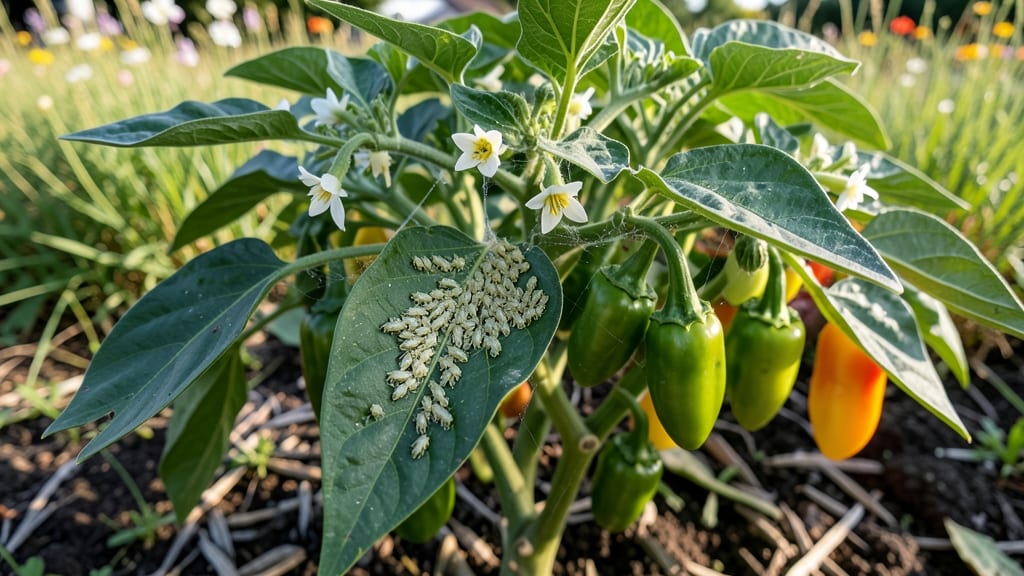
Those tiny holes in your pepper leaves aren’t just bad luck—they’re the most common pepper plant pests, and here’s how to stop them fast. 🌿 I’ve battled all three, and these fast-acting natural remedies saved my plants without harsh chemicals.
The key is acting early, when damage is minimal and solutions still work in hours, not days.
Most pests target stressed plants—so start with proper watering and shade during heatwaves. Aphids cluster on new growth, hornworms chew leaves into lace, and spider mites leave fine webbing.
Once you spot them, neem oil or soapy water sprays (1 tsp dish soap per quart of water) knock them out fast—just reapply after rain.
You’ll see results within 24-48 hours if you catch infestations early. The plants bounce back with fewer scars, and you avoid the bitter taste pests leave behind. For prevention, interplant with basil or marigolds—they repel pests naturally while keeping your peppers thriving.
Works for all pepper varieties, from jalapeños to bell peppers, and scales from containers to full garden beds. No more losing harvests to tiny invaders—just healthier plants and sweeter peppers by season’s end.
Root Causes Of Pepper Plant Attacks
Pests don’t just randomly appear on your pepper plants—they’re drawn in by specific conditions that make your garden a buffet. Understanding these triggers helps you prevent infestations before they start. Here’s why pests target your peppers—and how to disrupt their plans.
Pests thrive where they can hide and feed undisturbed. When pepper plants are packed too closely together, airflow stagnates, creating a perfect humid microclimate for soft-bodied insects like aphids and whiteflies.
Weak, stressed plants—often from overwatering, poor soil, or nutrient deficiencies—are even easier targets because their defenses (like tougher leaves or bitter compounds) weaken.
Why it matters:
- Reduced airflow = higher humidity = fungal diseases + pest eggs surviving longer.
- Nutrient-starved plants produce thinner, more palatable leaves (a pest’s dream).
- Root competition weakens plants, making them slower to recover from damage.
Actionable fix: Space plants 18–24 inches apart and prune lower leaves to improve airflow. Test soil pH (peppers prefer 6.0–6.8) and amend with compost or a balanced fertilizer (like 10-10-10) to boost resilience.
Pests and their eggs hitchhike on debris, old plant matter, and even weeds. If you leave fallen leaves, spent blossoms, or mulch too close to stems, you’re creating hiding spots and breeding grounds. Some pests, like spider mites, overwinter in leaf litter and re-infest when conditions warm up.
Why it matters:
- Debris traps moisture, accelerating fungal growth (which attracts pests like thrips).
- Weeds compete for nutrients, stressing peppers and making them more vulnerable.
- Old plant material can harbor dormant pest eggs for years.
Actionable fix:
- Remove all plant debris from the garden bed (compost it far from your peppers).
- Use clean mulch (straw or shredded leaves) and keep it 3 inches away from stems.
- Pull weeds weekly—especially in the first 6 weeks of planting.
Pests love moisture—especially on leaves. Overhead watering (like sprinklers) creates water droplets that act like tiny magnifying glasses, concentrating sunlight and burning leaves (stressing plants). It also keeps foliage damp for hours, inviting fungal pests like aphids and whiteflies.
Underwatering, meanwhile, weakens plants and makes them produce sticky honeydew—a magnet for ants (which farm aphids).
Why it matters:
- Wet leaves = fungal spores + pest eggs survive longer.
- Stressed plants produce more sugar-rich sap (a pest’s favorite snack).
- Ants protect aphids in exchange for honeydew, creating a symbiotic pest army.
Actionable fix:
- Water at the base (use drip irrigation or soaker hoses) and early in the day to let foliage dry.
- Avoid wetting leaves—aim for 1–1.5 inches of water per week (check soil moisture with your finger).
- If ants are a problem, disrupt their trails with diatomaceous earth or vinegar sprays.
Pests are drawn to peppers that are chemically out of balance. For example:
- Too much nitrogen = soft, lush growth (aphids love this).
- Low potassium = weaker cell walls (easier for pests to chew through).
- Alkaline soil (pH >7.0) locks out nutrients, stressing plants and making them produce bitter compounds—but pests adapt by targeting the youngest, most tender leaves.
Why it matters:
Actionable fix:
- Test soil pH and amend with sulfur (to lower pH) or lime (to raise it) as needed.
- Use a balanced fertilizer (like 5-5-5) or compost tea to avoid nitrogen overload.
- Add potassium-rich amendments like wood ash or banana peels to toughen plant defenses.
Pests have peak seasons based on temperature and humidity. For example:
- Spring (50–70°F): Aphids and flea beetles emerge as days warm up.
- Summer (75–90°F): Spider mites and whiteflies thrive in dry, hot conditions.
- Fall (cool nights, warm days): Hornworms and cutworms become more active.
Why it matters:
Actionable fix:
- Monitor degree-day accumulations (a tool gardeners use to predict pest outbreaks).
- Use row covers in early spring to block flea beetles and aphids.
- Plant traps crops (like nasturtiums) to lure pests away from peppers.
Quick Fixes for Common Pepper Plant Invaders
Pests can turn your thriving pepper plants into a battleground, but the good news? Most issues have simple, natural solutions. Below, we’ve mapped out practical fixes for the most common culprits—plus prevention tips to keep your plants healthy long-term. No harsh chemicals needed!
Signs: Sticky residue (honeydew), curled leaves, or clusters of tiny green/black bugs on stems and undersides of leaves.
How to Fix It:
- 🔥 Blast Them Off: Spray plants with a strong stream of water (aphids hate this!). Repeat every 2–3 days until gone.
- 🍳 Soapy Water Spray: Mix 1 tsp mild liquid soap (like Castile) + 1 quart water. Spray directly on pests (avoid flowers). Test on a small leaf first!
- 👨🍳 Introduce Predators: Ladybugs and lacewings love aphids. Buy them online or attract them with dill or fennel nearby.
💡 Prevention:
- 🌡️ Keep Plants Warm: Aphids thrive in cool, damp conditions. Ensure full sun and good airflow.
- ✨ Companion Plant: Marigolds repel aphids—plant them around your peppers!
Signs: Fine webbing, speckled/yellowing leaves, or tiny moving dots (use a magnifying glass!).
How to Fix It:
- 🔪 Prune & Dispose: Snip heavily infested leaves and compost them far from your garden (don’t throw them in the yard!).
- 🥘 Neem Oil Spray: Mix 1 tbsp neem oil + 1 tsp mild soap + 1 quart water. Spray every 5–7 days until mites vanish.
- 🌊 Increase Humidity: Spider mites dry out in humid conditions. Mist plants daily or use a shallow tray of water near them.
💡 Prevention:
- 🎯 Avoid Overwatering: Let soil dry slightly between waterings to discourage mites.
- 🔥 Yellow Sticky Traps: Hang them near plants to catch mites before they spread.
Signs: Jagged holes in leaves, plants suddenly toppled over (check soil at dusk!).
How to Fix It:
- 🍳 Beer Trap: Bury a small cup filled with beer near the plant—cutworms crawl in and drown. Refresh every few days.
- 👨🍳 Collars for Young Plants: Wrap cardboard or aluminum foil around stems (3–4 inches deep) to block worms.
- 🔪 Handpick at Night: Shine a flashlight after dark—cutworms hide in soil. Pick them off and drop them in soapy water.
💡 Prevention:
- 🌡️ Plant Timing: Avoid planting peppers in late summer (cutworm peak season).
- 🎯 Mulch Strategically: Use straw or grass clippings—cutworms dislike crawling over rough surfaces.
Signs: Tiny shotgun-like holes in leaves, especially on young plants.
How to Fix It:
- 🥘 Diatomaceous Earth: Sprinkle food-grade DE around the base of plants. It’s non-toxic but deadly to beetles (reapply after rain).
- 🍳 Row Covers: Use floating fabric row covers early in the season to block adults from laying eggs.
- 🔪 Trap Crops: Plant radishes or mustard greens nearby—flea beetles prefer them over peppers!
💡 Prevention:
- ✨ Early Planting: Start peppers indoors and transplant after the last frost to outpace beetles.
- 🌡️ Healthy Soil: Strong plants recover faster. Add compost before planting for resilience.
Signs: Tiny white moth-like flies swarming when you disturb leaves; sticky residue on undersides.
How to Fix It:
- 🔪 Yellow Sticky Cards: Hang them above plants to trap adults.
- 🥘 Insecticidal Soap: Spray undersides of leaves with soap solution (repeat every 3–4 days).
- 🌊 Yellow Dish Trap: Fill a yellow bowl with soapy water—whiteflies are drawn to the color and drown.
💡 Prevention:
- 🎯 Clean Garden Beds: Remove all plant debris after harvest (whiteflies overwinter in dead leaves).
- 💡 Companion Plant: Basil or garlic near peppers deters whiteflies naturally.
Want to minimize pests before they start? Try these low-effort habits: - 🌡️ Rotate Crops: Don’t plant peppers in the same spot two years in a row (pests build up in soil). - 🎯 Healthy Soil = Happy Plants: Test soil pH (peppers love 6.0–6.8).
Add compost for nutrients. - 🔥 Inspect Regularly: Check undersides of leaves and new growth weekly—catch pests early! - 🌊 Water at the Base: Avoid wetting foliage (encourages fungal issues and attracts pests).
Pro Tip: 💡 The 3-Second Rule for Pests – If you see one pest, treat immediately. Waiting lets them multiply into a full-blown infestation!
Frequently asked questions
What are the first signs that my pepper plants have pests?
Look for tiny holes in leaves (like shotgun pellets), sticky residue called honeydew, or visible insects like aphids on undersides. Spider mites leave fine webbing, while hornworms create lace-like damage. Check leaves and stems early in the morning when pests are most active.
Can I use neem oil on peppers if I'm harvesting soon?
Neem oil is safe to use up to 1 day before harvest—it breaks down quickly. For immediate harvests, try soapy water (1 tsp mild soap per quart of water) instead. Always test sprays on a small leaf first to avoid leaf burn.
Why do my pepper plants get pests even with organic methods?
Pests thrive when plants are stressed—check your watering (over/underwatering), soil nutrients, and spacing. Even organic methods need consistent monitoring. Rotate crops yearly and use companion plants like marigolds to disrupt pest cycles naturally.
How do I know if my pepper plant damage is from pests or disease?
Pest damage is usually irregular (holes, chewed edges) while diseases create patterns like spots or powdery coatings. Check for visible insects or webbing. Diseases often appear on multiple plants simultaneously, while pests target specific leaves or growth points.
Will companion planting really keep pests away from my peppers?
Yes! Basil repels thrips and whiteflies, while marigolds deter aphids and nematodes. Plant them around your pepper beds (not too close) to create a natural barrier. The key is consistency—companion plants work best when established before pests arrive.