
Pests and Diseases
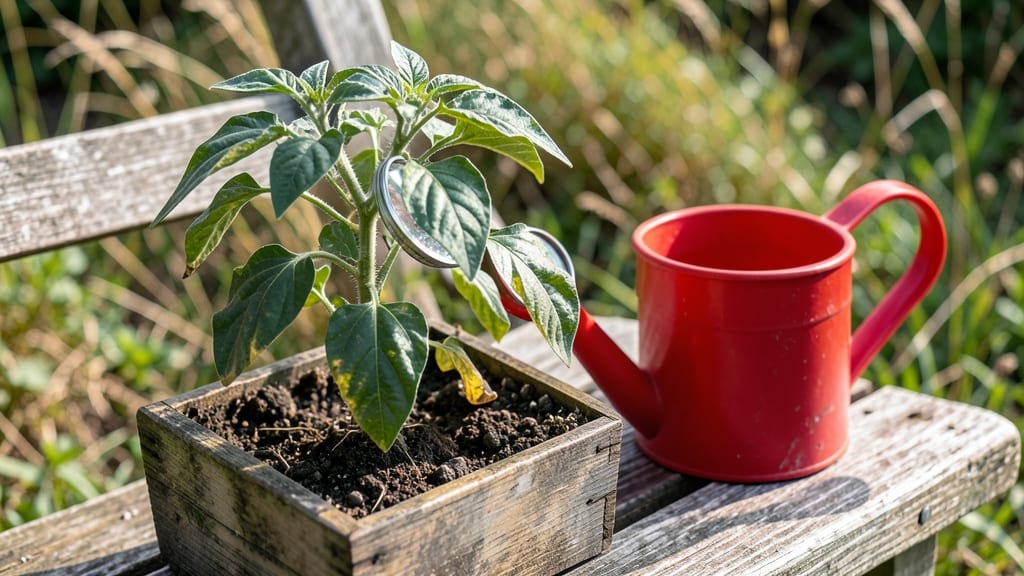
Pepper seedlings curled leaves? That’s usually thrips or aphids feasting on your tiny plants. 🌱 I’ve battled this exact problem—tiny black bugs hiding on the undersides of leaves, sucking out sap until everything crinkles up like a paper bag.
The good news? You can fix it fast with three targeted steps before your seedlings turn into lost causes.
First, isolate the seedlings immediately to stop the spread. Then douse the leaves with a soapy water spray (1 teaspoon mild dish soap per quart of water) to smother the pests.
For stubborn cases, neem oil (1 tablespoon per quart) works like a charm—just spray every 3-4 days until the leaves unfurl smooth again. Most seedlings bounce back in 5-7 days if you catch it early.
📚 In This Guide
- What you need
- Instructions
- Tips and common mistakes
- Wrapping up and next steps
What you need
- ● Pest Control Spray: 1–2 bottles of neem oil solution (1–2% concentration) or
- ● 1–2 bottles of insecticidal soap (check for plant-safe formulas).
- ● Spray Bottle: 1–2 8–16 oz spray bottles with a fine mist nozzle (for precise application).
- ● Garden Gloves: 1 pair (nitrile or rubber) to protect your hands from oils and pests.
- ● Pruning Shears: 1 pair of sterilized shears (for trimming heavily infested leaves).
- ● Hose or Watering Can: 1 with a gentle spray nozzle (for rinsing off pests).
- ● Yellow Sticky Traps: 2–4 traps (to monitor and catch flying pests like thrips).
- ○ Reflective Mulch or Aluminum Foil: 1 roll or sheet (optional, to deter thrips with light reflection).
- ● Beneficial Insects: Ladybugs, lacewings, or predatory mites (release 50–100 per plant for biological control).
- ● Diatomaceous Earth (Food-Grade): 1 small bag (sprinkle lightly around soil to deter crawling pests).
- ● Plant Growth Stimulator: 1 bottle of seaweed extract or compost tea (to boost recovery after treatment).
- ● Magnifying Glass: 1 (for close inspection of leaves and pests).
How to fix curled leaves on pepper seedlings from thrips and aphids
Pepper seedlings with curled leaves often signal a tiny but aggressive pest invasion. Here's how to tackle it effectively.
🔍 Step 1: Identify the Culprit and Assess Damage
Examine the undersides of curled leaves closely with a magnifying glass. Thrips appear as tiny, slender insects (about 1/20 inch long) with fringed wings, while aphids look like small green or black bumps clustered along stems and leaf veins. Both pests feed on plant sap, causing leaves to curl, pucker, or develop silvery streaks.
Check the soil surface too—thrips often hide in dry, flaky mulch or leaf litter. If you spot webbing or sticky residue (honeydew) on leaves, aphids are likely the culprits. Note which leaves are most affected; severe curling on new growth means the infestation is active and spreading. Document your findings with a photo to track progress after treatment.
💦 Step 2: Apply Targeted Organic Sprays
Start with a neem oil solution (1 tablespoon neem oil + 1 teaspoon mild dish soap per quart of water) and spray thoroughly on both leaf surfaces and stems. Neem disrupts pests' feeding and reproduction cycles, but it works best when applied directly to the insects. Repeat every 5-7 days for 2-3 weeks to break the life cycle.
For stubborn infestations, add insecticidal soap (2 tablespoons per quart of water) to your spray mix. Test on a few leaves first—some pepper varieties are sensitive to soap residue. Spray in the early morning or late evening to avoid burning leaves under direct sun. Keep seedlings in a shaded area for 4-6 hours after treatment to prevent leaf scorch.
✂️ Step 3: Prune and Isolate Infested Plants
Use clean, sharp scissors to trim away severely curled or damaged leaves—this removes hiding spots for pests and prevents further sap loss. Dispose of pruned material in a sealed plastic bag (not your compost bin) to avoid spreading the infestation. Focus on new growth first, as these leaves are most vulnerable to pest damage.
Isolate treated seedlings from healthy plants for 3-5 days to monitor for re-infestation. During this time, check the surrounding area for additional pests—thrips and aphids often spread via wind or beneficial insects. If you have multiple pepper seedlings, treat all of them preventatively, even if only one shows symptoms. Healthy seedlings recover faster when you catch the problem early.
🌱 Step 4: Strengthen Seedlings for Recovery
After treatment, boost seedlings' resilience by providing bright, indirect light (12-14 hours daily) and consistent moisture—water at the soil level to avoid wetting leaves, which can attract more pests. A balanced fish emulsion fertilizer (diluted to half strength) applied every 2 weeks will help rebuild their energy reserves.
Watch for new leaf growth emerging from the center of the plant—this is your signal that the treatment is working. If curling persists after 10-14 days, repeat Step 2 with a stronger solution (add 1 teaspoon of horticultural oil to the mix) or introduce beneficial insects like ladybugs or lacewings, which prey on aphids and thrips. Keep a close eye on seedlings for the next 4 weeks to ensure they stay pest-free.
Tips & tricks for reviving pepper seedlings from pest damage
Real talk: those curled leaves on your pepper seedlings aren't just a cosmetic issue—they're a battle cry from tiny invaders. Here's how to turn the tide before your plants throw in the towel.
Precision Pest Identification: Grab that magnifying glass and flip those curled leaves over—this is where the action is. Thrips hide in the crevices like little bandits, while aphids cluster like green snowballs along the veins. I've caught early infestations by looking for these specific patterns: thrips leave behind tiny black specks (their poop), while aphids create sticky honeydew trails. This targeted approach means you're not just guessing—you're strategizing.
Timing Secret for Organic Sprays: Those 5-7 day intervals between neem oil applications aren't arbitrary—they match the pests' life cycles. Thrips and aphids reproduce rapidly, so you're essentially resetting their population clock with each treatment. Pro move: apply your spray in the early morning when humidity is high and the sun isn't scorching. The droplets will cling better, and you'll minimize leaf burn. And remember, the 4-6 hour shade requirement after treatment isn't just safety—it's science. Direct sun turns soap residue into a leaf-burning agent.
Pruning Strategy: When you're trimming those curled leaves, don't just hack away randomly—focus on the new growth first. These baby leaves are the most vulnerable, and removing them gives your plant a fighting chance to redirect its energy. I've seen seedlings bounce back dramatically after just one strategic pruning session. And that sealed plastic bag disposal? Non-negotiable. Compost bins are pest highways, and you don't want to accidentally spread your problem to other plants.
Recovery Boost: The 12-14 hours of bright, indirect light you're providing isn't just window dressing—it's photosynthesis on steroids for your recovering seedlings. Pair that with consistent moisture (water at soil level only!) and you're creating the perfect storm for regrowth. That fish emulsion fertilizer? Use it, but dilute it properly. Over-fertilizing stressed plants is like giving a patient too much medicine—it can do more harm than good. Think of it as a gentle energy drink, not a power shot.
Pro Tips for Pepper Seedlings Curled Leaves
- Real talk: those curled leaves on your pepper seedlings aren't just a cosmetic issue—they're a battle cry from tiny invaders.
- Precision Pest Identification: Grab that magnifying glass and flip those curled leaves over—this is where the action is.
- Timing Secret for Organic Sprays: Those 5-7 day intervals between neem oil applications aren't arbitrary—they match the pests' life cycles.
Frequently asked questions
Why are my pepper seedlings’ leaves curling even after I treated them for thrips and aphids?
Curling can persist if the pests aren’t fully eradicated or if environmental stress (like overwatering or drought) is still an issue. Double-check for hidden pests on the undersides of leaves and adjust watering—pepper seedlings prefer consistently moist (not soggy) soil. If the problem lingers, test for fungal infections like powdery mildew.
How long does it take for curled leaves to recover after treating thrips and aphids?
With proper care, you’ll often see improvement in 3–7 days, but severely damaged leaves may not bounce back. Focus on new growth—healthy leaves should unfurl within 1–2 weeks if the pests are gone and conditions are ideal. Patience is key! Avoid pruning curled leaves unless they’re black or mushy (signs of rot).
Are there natural alternatives to chemical sprays for thrips and aphids on pepper seedlings?
Try these DIY solutions first:
- Neem oil spray: Mix 1 tbsp neem oil + 1 tsp mild soap in 1 quart water. Spray early morning or evening to avoid burning leaves.
- Insecticidal soap: Use a 1–2% solution (store-bought or homemade with castile soap). Reapply every 5–7 days.
- Water spray: Blast pests off leaves with a strong stream of water (do this daily for 3–4 days).
- Beneficial insects: Release ladybugs or lacewings (available at garden centers) to eat aphids naturally.
For severe infestations, pyrethrin-based sprays (derived from chrysanthemums) are a low-toxicity option.
Can I still save my pepper seedlings if the leaves are curled and sticky?
Sticky leaves = aphid honeydew, a red flag for secondary issues like sooty mold. Act fast:
- Wipe leaves with a damp cloth to remove residue.
- Apply a vinegar spray (1:1 water + white vinegar) to disrupt aphid colonies.
- Isolate seedlings if possible to prevent spreading.
If the plants are weak or wilted, they may need extra care (like a diluted fish emulsion fertilizer) to recover.
Will curled leaves affect my pepper plant’s fruit production later?
Curled leaves can stress young plants, potentially delaying growth or reducing yield if the damage is severe or prolonged. However, pepper plants are resilient—focus on reviving the seedlings now, and they’ll often outgrow the issue. Prioritize:
- Strong light (14–16 hours/day with grow lights if needed).
- Balanced fertilizer (low nitrogen, high phosphorus/potassium).
- Protecting from future pests with row covers or companion plants (like basil or marigolds).
Most peppers rebound beautifully with the right care!
Wrapping up and next steps
Curled leaves on your pepper seedlings don’t have to be a gardening nightmare! 🌱 With the right tools—like neem oil, insecticidal soap, and a magnifying glass—you can tackle thrips and aphids in just three simple steps. Remember, early action is key to keeping your plants thriving and pest-free.
Now that you’re armed with solutions, take action today! Start by inspecting your seedlings closely, then follow the steps to restore their health. Your future harvest of juicy peppers is waiting—go give those leaves a fighting chance! 💪