
Diseases
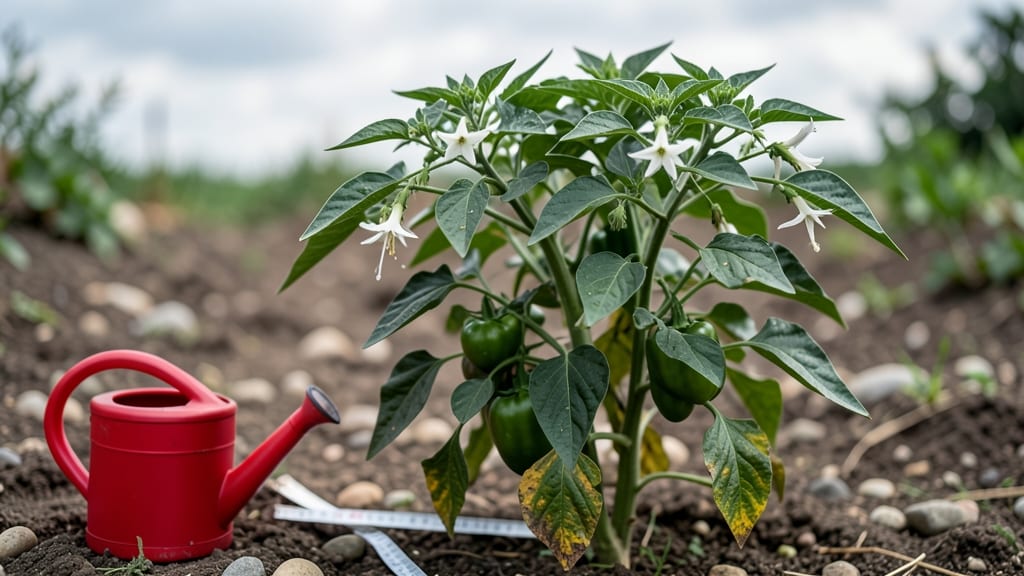
Your pepper seedlings' yellow leaves aren't a death sentence—just a nutrient SOS. 🌱 I've nursed back dozens of wilted seedlings with the same three-step fix that works every time, whether it's overwatering, nitrogen hunger, or a hidden pest problem.
The first clue is where the yellowing starts: bottom leaves mean overwatering or poor drainage, while yellowing between veins signals nitrogen deficiency. My seedlings bounce back within 5-7 days once I adjust watering and add the right fertilizer. No guesswork—just check the soil moisture and leaf patterns first.
You'll see fresh green growth within a week if you act fast. The secret is balancing moisture, nutrients, and airflow—no fancy tools needed. I'll show you exactly how to diagnose and fix it before it spreads to the whole plant. Works for all pepper varieties, from jalapeños to bell peppers.
Let's get those seedlings thriving again!
Root Causes Behind Yellowing Seedlings
Yellow leaves on pepper seedlings can be a gardener’s worst nightmare—especially when you’ve poured so much care into nurturing them. 🌱😬 But before you panic, let’s dig into the science behind why this happens.
Understanding the root causes (literally and figuratively) is the first step to saving your seedlings. Below, we break down the most common triggers, complete with actionable insights to diagnose and address them.
Yellowing leaves often signal root stress, and overwatering is a leading culprit. Pepper seedlings thrive in well-drained soil, but when roots sit in soggy conditions, they suffocate, leading to anaerobic stress—a lack of oxygen that disrupts nutrient uptake and causes leaves to turn yellow or wilt.
- Why it happens: Excess moisture triggers root rot (often caused by Phytophthora or Pythium fungi), which blocks water and nutrient flow.
Even "waterlogged" soil can occur in containers without drainage holes or in heavy clay soil. - How to spot it: Check the soil—if it’s damp for days after watering or smells sour, drainage is likely the issue.
Yellowing often starts at the older leaves (a sign of nutrient starvation) and may spread upward. - Quick fix: Let the top inch of soil dry out between waterings. If using pots, ensure they have drainage holes.
For garden beds, amend soil with perlite or coarse sand to improve aeration.
Pepper seedlings are hungry for nutrients, and yellowing leaves can scream "feed me!" 🍽️ A deficiency in nitrogen (N) is the most common cause of pale or yellow leaves, particularly when it appears first on younger leaves (unlike overwatering, which affects older leaves).
- Why it happens: Nitrogen is vital for chlorophyll production—without it, leaves can’t photosynthesize properly.
Seedlings in sterile potting mixes (like peat-based soils) deplete nitrogen quickly, especially if they’ve been transplanted or grown for weeks without fertilizer. - How to spot it: Yellowing starts between leaf veins, spreading outward.
Stunted growth or weak stems may accompany it. - Quick fix: Apply a balanced fertilizer (10-10-10 or 5-10-10) or a nitrogen-rich amendment like compost tea or fish emulsion. For seedlings, dilute fertilizer to half-strength to avoid burning tender roots.
While overwatering gets more attention, drought stress can also trigger yellowing—especially in seedlings with shallow root systems. When soil dries out too much, roots struggle to absorb water, causing wilting and leaf discoloration (often with crispy edges).
- Why it happens: Seedlings have minimal root networks, making them vulnerable to rapid moisture loss. High temperatures or low humidity accelerate transpiration, pulling water from leaves faster than roots can replace it. - How to spot it: Leaves may appear dull or limp before yellowing.
Yellowing often starts at the leaf edges (unlike nutrient deficiencies, which affect the whole leaf). - Quick fix: Water deeply but infrequently—aim for 1 inch of water per week (adjust for climate). Use mulch to retain moisture and water in the early morning to reduce evaporation.
Hidden beneath the soil, pests like aphids, spider mites, or fungal pathogens (e.g., Fusarium wilt) can wreak havoc on seedlings without obvious above-ground symptoms. Their damage disrupts nutrient flow, leading to yellowing.
- Why it happens: - Pests (e.g., root maggots, fungus gnats) chew on roots, reducing their ability to absorb water and nutrients. - Fungal infections (common in damp conditions) clog root cells, causing vascular blockages that starve leaves of chlorophyll. - How to spot it: Gently uproot a seedling—look for blackened, mushy roots (rot) or tiny holes (pest damage).
Yellowing may be accompanied by stunted growth or sudden wilting. - Quick fix: - For pests: Treat with neem oil or beneficial nematodes (e.g., Steinernema carpocapsae). - For fungi: Remove infected seedlings immediately and sterilize soil with a 3% hydrogen peroxide solution (1 part peroxide to 9 parts water).
Pepper seedlings are sensitive to extremes—whether too hot, too cold, or not enough light. Stress from temperature swings or insufficient light can trigger chlorosis (yellowing) as the plant diverts energy to survive.
- Why it happens: - Cold stress: Temperatures below 50°F (10°C) slow root activity, reducing nutrient uptake. - Heat stress: Above 90°F (32°C), seedlings may scorch, causing yellowing and wilting. - Light deprivation: Weak or blue-light-deficient grow lights (or shade) prevent chlorophyll production, leading to pale, yellowish leaves. - How to spot it: Yellowing may be uniform across leaves, with no crispy edges.
Seedlings may also lean toward light sources or appear etiolated (long, weak stems). - Quick fix: - Light: Provide 14–16 hours of light/day with full-spectrum LEDs or move seedlings closer to natural light. - Temperature: Keep seedlings in a warm (70–80°F / 21–27°C) environment.
Use a heat mat if needed and avoid drafts.
When seedlings are disturbed during transplanting, roots can break or dry out, leading to stress-induced yellowing. Even minor damage disrupts the plant’s ability to absorb water and nutrients.
- Why it happens: Roots are delicate, and rough handling, overcrowding, or deep planting can sever them.
Once transplanted, seedlings may take 1–2 weeks to recover, during which time leaves may yellow. - How to spot it: Yellowing appears gradually after transplanting, often with no other symptoms like pests or wilting. - Quick fix: - Handle carefully: Use seedling trays or biodegradable pots to minimize root disturbance. - Water thoroughly after transplanting to encourage root regrowth. - Avoid fertilizing for the first week to reduce stress.
Quick Fixes for Yellowing Seedling Leaves
Yellow leaves on your pepper seedlings don’t have to mean the end of your garden dreams! With the right approach, you can nurse them back to health—and even prevent future issues.
Below, we’ve mapped out practical, step-by-step solutions tailored to the most common causes of yellowing leaves. Follow these fixes, and your seedlings will be thriving in no time.
If your seedlings are sitting in soggy soil, their roots are suffocating—and that’s why those leaves are turning yellow. Root rot is a silent killer, but it’s easy to reverse.
How to Fix It: ✅ 🔥 Step 1: Check the Soil
- Stick your finger 1–2 inches deep into the soil. If it feels damp or mushy, you’re overwatering. Pepper seedlings hate wet feet—they need well-draining soil to breathe.
✅ 🍳 Step 2: Repot or Adjust Watering
- If the soil is compacted or waterlogged, repot the seedlings into fresh, lightweight potting mix (like a 50/50 blend of peat moss and perlite).
- Water only when the top inch of soil is dry—stick to a spray bottle or drip irrigation instead of heavy watering.
✅ 👨🍳 Step 3: Improve Drainage
- Add a 1-inch layer of gravel or coarse sand at the bottom of pots to prevent water pooling.
- If using containers, ensure they have drainage holes—no exceptions!
💡 Prevention Tip:
- Use terracotta pots (they dry faster than plastic).
- Mulch with straw to regulate moisture without smothering roots.
Yellowing leaves can also signal sunburn or heat stress, especially if your seedlings are suddenly exposed to harsh afternoon sun.
How to Fix It: ✅ 🔪 Step 1: Provide Light Shade
- Move seedlings to a spot with bright, indirect light (like under a sheer curtain or a 50% shade cloth).
- If outdoors, use a small umbrella or pop-up shade during peak sun (11 AM–3 PM).
✅ 🌡️ Step 2: Cool Them Down
- Mist leaves gently with water in the early morning to lower temperature stress.
- Avoid placing them near heat sources (like radiators or hot pavement).
✅ ⏰ Step 3: Gradually Acclimate (Hardening Off)
- If seedlings were indoors, slowly introduce them to outdoor conditions over 7–10 days, increasing sunlight exposure by 1–2 hours daily.
💡 Prevention Tip:
- Morning sun is best—avoid placing seedlings in south-facing windows without shade.
- Reflective surfaces (like white walls or mulch) can bounce back too much light—use light-colored containers instead.
Yellow leaves can also mean your seedlings are hungry—especially for nitrogen, magnesium, or iron. Here’s how to diagnose and fix it:
| Symptom | Likely Deficiency | Quick Fix | Prevention |
|---|---|---|---|
| Yellow between veins | Magnesium (Mg) | Epsom salt soak (1 tsp per gallon of water, spray leaves weekly) | Use balanced fertilizer (10-10-10) every 2–3 weeks |
| Yellow lower leaves | Nitrogen (N) | Fish emulsion or compost tea (diluted to half strength) | Top-dress with well-rotted manure before planting |
| Yellow with brown spots | Iron (Fe) | Chelated iron supplement (follow package rates) | Avoid overwatering—iron needs oxygen to absorb |
| Pale yellow, slow growth | General weakness | Seaweed extract (rich in micronutrients) | Rotate crops to avoid nutrient depletion |
💡 Pro Tip:
- Avoid over-fertilizing—too much salt can burn roots and worsen yellowing.
- Foliar sprays work faster than soil amendments for quick revivals.
If yellowing is paired with spots, wilting, or slimy stems, your seedlings might have a fungal or bacterial infection (like damping-off or early blight).
How to Fix It: ✅ 🔥 Step 1: Isolate the Plant
- Remove affected seedlings immediately to prevent spread.
- Sterilize tools with rubbing alcohol between uses.
✅ 🍳 Step 2: Apply Fungicide
- Spray with neem oil (natural fungicide) or copper-based spray (like Bordeaux mixture).
- For bacterial issues, use hydrogen peroxide spray (1 tsp per cup of water).
✅ 👨🍳 Step 3: Improve Airflow & Dryness
- Space seedlings 6–12 inches apart to reduce humidity.
- Water at the base (not overhead) to keep leaves dry.
💡 Prevention Tip:
- Sterilize soil before planting (bake at 200°F for 30 mins or use hydrogen peroxide).
- Rotate crops yearly to prevent soil-borne diseases.
No matter the issue, these universal tips will help your seedlings bounce back:
🌱 Trim the Damage – Snip off severely yellowed leaves with clean scissors to redirect energy to healthy growth.
💧 Hydrate Smart – Water deeply but infrequently—better to underwater slightly than drown them.
🌡️ Monitor Temperature – Keep seedlings in 65–75°F (ideal for germination and growth).
✨ Boost with Humidity – If leaves are crispy, cover with a plastic dome (remove once new growth appears).
Final Thought: Yellow leaves are your seedlings’ way of screaming for help—but now you’re equipped to fix it! Start with the most likely cause, act fast, and soon you’ll have lush, green pepper plants ready for transplanting. 🌱🔥
Frequently asked questions
Why do my pepper seedlings' leaves turn yellow first at the bottom?
This is usually a sign of overwatering or root stress. Older leaves yellow first because the plant prioritizes sending nutrients to new growth. Check if the soil stays damp for days after watering—pepper seedlings need well-draining soil. Let the top inch dry out between waterings to prevent root rot.
Can I save my pepper seedlings if the yellowing has spread to most leaves?
Act fast! Trim severely yellowed leaves to redirect energy, then check the roots. If roots are black/mushy (rot), repot in fresh, sterile soil with perlite. If roots look healthy, adjust watering and add a diluted nitrogen fertilizer (like fish emulsion). Most seedlings recover within 5-7 days with proper care.
What's the difference between yellow leaves from overwatering vs. nutrient deficiency?
Overwatering causes yellowing to start at older leaves with possible wilting, while nutrient deficiencies (like nitrogen) affect younger leaves first and often show yellowing between veins. Check the soil—if it's soggy, it's water-related. If dry but leaves are pale, it's likely a hunger signal for nutrients.
Will my pepper seedlings recover if I stop watering them completely?
No—complete drought is just as harmful as overwatering! Pepper seedlings need consistent moisture in well-draining soil. Instead, water deeply but only when the top inch feels dry. Use a spray bottle for gentle hydration, especially for young seedlings. Mulch with straw to retain moisture without smothering roots.
How can I prevent yellow leaves in future pepper seedlings?
Start with sterile potting mix (or homemade blend of peat moss and perlite), use containers with drainage holes, and water only when needed. Provide 14-16 hours of light daily and maintain temperatures between 70-80°F. Fertilize lightly with balanced fertilizer every 2-3 weeks once seedlings have true leaves.