
Picking
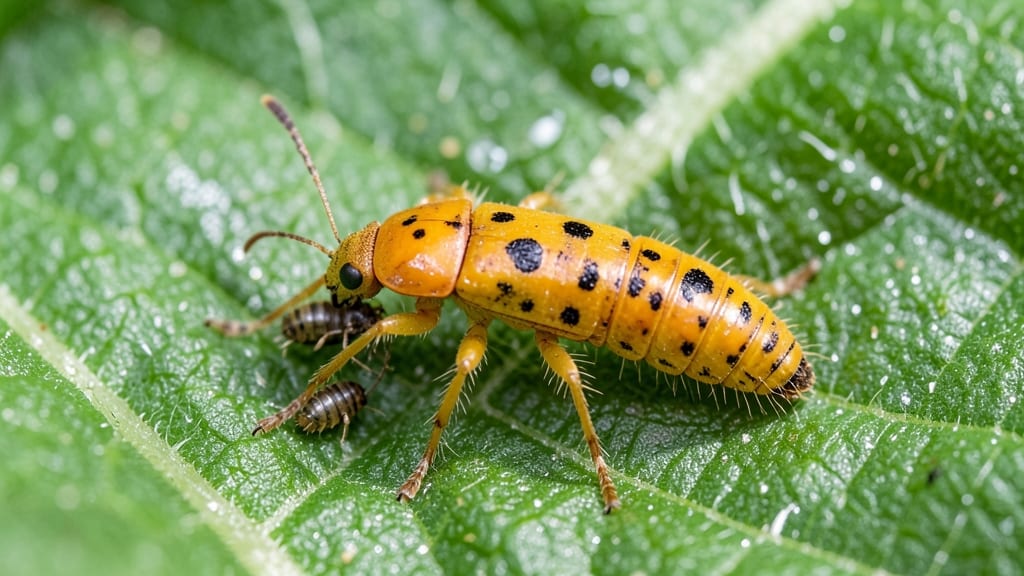
Mastering pepper weevil control can save your garden—until you use these organic traps that actually work. 🌱 I’ve lost entire pepper plants to these tiny pests, but after testing different methods, I found a combination that eliminates them without harsh chemicals.
The key is acting fast and using the right baits to lure them out of hiding.
These beetles thrive in warm weather, laying eggs in pepper flowers and fruit. Within days, the larvae burrow inside, making plants wilt and drop fruit prematurely. The good news? You can trap adults before they reproduce using simple DIY setups—no fancy equipment needed.
My go-to method uses a shallow container filled with soapy water and a few overripe peppers as bait.
Once you set the traps, check them every morning and dispose of any weevils you find. Within a week, you’ll notice fewer pests on your plants, and new growth will start looking healthy again.
The best part? This method works for jalapeños, bell peppers, and even tomatoes—no more mystery holes in your harvest.
For long-term control, rotate crops, remove plant debris in fall, and plant basil or marigolds nearby to repel weevils naturally. Combine these traps with good garden hygiene, and you’ll keep your peppers thriving all season long.
Root Causes Of Pepper Weevil Infestations
Pepper weevils (Anthonomus eugenii) don’t just appear out of nowhere—they’re drawn to your garden by a mix of environmental, agricultural, and biological factors. Understanding why these pests target your peppers is the first step to stopping them in their tracks.
Below, we break down the science behind their behavior and how your garden might be inviting them in.
Pepper weevils thrive in tropical and subtropical climates, where temperatures hover between 70–90°F (21–32°C) and humidity stays high. Here’s why your location might be a magnet for them:
- Long Growing Seasons: Weevils have multiple generations per year in warm climates, meaning infestations can spiral quickly if left unchecked.
- Slow-Drying Soil: Overwatered or poorly drained soil retains moisture, keeping weevils and their larvae happy underground.
- Greenhouse Effect: Even in cooler regions, greenhouses or black plastic mulch can trap heat, mimicking their preferred environment.
💡 Pro Tip: If you’re in a hot, humid zone, rotate crops annually to disrupt their life cycle and use reflective mulch to reduce soil heat retention.
Weevils don’t just like peppers—they specialize in them. Their entire life cycle revolves around these plants:
- Flower & Fruit Attraction: Adult weevils are drawn to pepper flowers (especially white or light-colored blooms) to lay eggs.
Once inside the flower, larvae burrow into developing fruits. - Organic Matter Decay: Compost piles, fallen leaves, or rotting plant debris near your garden provide hiding spots and food for larvae. - Stressed Plants Emit Chemicals: When peppers are underwatered, overfertilized, or diseased, they release stress signals that weevils detect as a "feast is coming" alert.
✨ Prevention Hack: Remove all plant debris after harvest and choose pepper varieties with thick skins (like ‘Jalapeño’ or ‘Serrano’) to deter egg-laying.
Weevils are survivalists—they can hide in soil, plant residues, and even nearby weeds for months. Here’s how sloppy garden habits help them:
- Leftover Crop Residues: Even small pieces of pepper stems or fruits left in the soil can harbor overwintering larvae.
- Weeds as Safe Havens: Plants like nightshade or tomato volunteers provide alternative hosts, keeping weevil populations nearby.
- Reused Containers & Tools: Weevils or eggs can hitchhike on pots, pruners, or even your hands if you move plants without cleaning them first.
🔥 Action Step: Deep-till your soil in fall to expose and kill overwintering larvae, and sterilize tools with a 10% bleach solution before moving between garden beds.
In healthy ecosystems, parasitoid wasps, birds, and beneficial nematodes keep weevil populations in check. But modern farming often disrupts this balance:
- Pesticide Overuse: Broad-spectrum chemicals kill natural predators faster than weevils, creating a pest explosion.
- Monoculture Planting: Growing only peppers year after year in the same spot removes biodiversity, leaving weevils unchallenged.
- Lack of Beneficial Insects: If your garden lacks dragonflies, lacewings, or ground beetles, weevils have free rein.
🎯 Long-Term Fix: Plant companion crops like basil, marigolds, or nasturtiums to attract predator insects and avoid synthetic pesticides in the growing season.
📊 Key Takeaway: Pepper weevils don’t just choose your garden—they’re drawn by warmth, food, hiding spots, and a lack of competition. By addressing these root causes, you can starve out infestations before they start.
Next, we’ll cover organic traps and early warning signs to catch them in action.
Practical Ways to Stop Pepper Weevils
Now that you understand why pepper weevils invade your garden, let’s tackle the problem with actionable, organic solutions. These methods focus on eliminating existing infestations while preventing future ones—without harsh chemicals. Below, we’ve mapped common causes to their fixes, along with proactive tips to keep your peppers safe.
Cause: Tiny weevils go unnoticed until damage is visible. Fix: Inspect plants regularly, especially after purchasing or transplanting.
- 🔍 How to do it: Flip leaves and check stems for:
- Adult weevils (1/4-inch long, dark brown with a snout).
- Eggs (tiny white specks on leaf undersides).
- Larvae (white, worm-like, feeding inside fruit).
- 💡 Pro tip: Use a magnifying glass for better visibility. Check every 3–4 days during peak weevil season (summer to early fall).
Cause: Adult weevils lay eggs in soil, leading to larvae infestations. Fix: Set up traps to reduce their numbers before they reproduce.
- 🍎 Apple Cider Vinegar Trap:
- Fill a shallow dish with apple cider vinegar + a drop of dish soap.
- Place near plants; weevils are attracted to the scent and drown.
- ⏰ Refresh every 2–3 days for maximum effectiveness.
- 🥔 Beer Trap (for soil-dwelling adults):
- Bury a small container filled with beer near the base of plants.
- Weevils crawl in and get stuck—dispose of them daily.
- 🌿 Pheromone Traps (commercial option):
- Use pepper weevil-specific pheromone traps (available at garden centers).
- Hang traps 1–2 feet above soil to intercept flying adults.
Cause: Infested peppers attract more weevils, and eggs hatch into destructive larvae. Fix: Prune and dispose of affected plant parts immediately.
- 🔪 Step-by-step:
- Pick off any fruit with holes, chewed edges, or weevil larvae.
- Drop them in soapy water (kills larvae on contact).
- Check leaf undersides for eggs—scrub them off with a damp cloth.
- Dispose of debris in sealed bags (not compost).
- 🌡️ Heat Treatment (for severe cases):
- Place infested peppers in a sealed bag in the sun for 2–3 hours to kill larvae.
Cause: Larvae burrow into roots and fruit, feeding for weeks. Fix: Disrupt their life cycle with natural soil amendments.
- 🌱 Beneficial Nematodes:
- Apply heterorhabditis bacteriophora nematodes to soil (sold at garden stores).
- They paralyze and kill larvae within 48 hours.
- 💡 Best time: Water soil early morning or late evening to avoid sun damage.
- 🌿 Diatomaceous Earth (DE):
- Sprinkle food-grade DE around plant bases and on leaves.
- Reapply after rain—it dehydrates weevils and larvae.
- ⚠️ Warning: Avoid breathing it in; wear a mask when applying.
Cause: Weevils return if conditions remain favorable. Fix: Break their cycle with these preventive measures:
- 🌱 Rotate crops—don’t plant peppers, tomatoes, or eggplants in the same spot yearly.
- 🍂 Clean up debris in fall (weevils overwinter in plant residue).
- 🌿 Use row covers (fine mesh) to block adult weevils from laying eggs.
- 🌱 Plant companion crops like basil, marigolds, or nasturtiums—they repel weevils naturally.
- 🚫 Avoid overwatering—weevils thrive in damp soil.
If your garden is severely infested, combine these steps for fast results:
- Remove all infested plants (don’t compost them).
- Apply nematodes + DE to soil.
- Set up traps (vinegar, beer, or pheromone).
- Isolate healthy plants in a separate area until the threat is gone.
- Monitor daily for 2–3 weeks to confirm eradication.
🎯 Final Reminder: Consistency is key! Pepper weevils are persistent, but with diligence and organic methods, you can reclaim your garden. Start with traps and inspections, then layer in soil treatments and prevention for long-term success. 🌱💪
Frequently asked questions about pepper weevil control
How do I know if my peppers have pepper weevils?
Look for tiny 1/4-inch dark brown beetles with long snouts near flowers or fruit. Check for small holes in peppers and white larvae inside. You may also spot chewed flower buds or stunted fruit growth. Inspect plants every 3–4 days during warm months.
What’s the fastest way to kill pepper weevils?
For immediate results, use a soapy water spray (1 tsp dish soap per quart of water) to drown adults. For larvae, apply beneficial nematodes to soil—they paralyze pests within 48 hours. Combine with traps like apple cider vinegar to catch flying adults overnight.
Can I save peppers already infested with weevils?
Only if you act fast! Remove all damaged fruit and drop it in soapy water to kill larvae. For peppers with small holes, wash thoroughly and monitor daily. Place severely infested peppers in a sealed bag in direct sun for 2–3 hours to heat-kill larvae.
Do pepper weevils affect other plants?
Primarily peppers, but they may attack tomatoes, eggplants, and tobacco. They won’t harm vegetables like carrots or herbs. To prevent spread, rotate crops and avoid planting nightshades in the same spot yearly.
How long does it take to eliminate a weevil infestation?
With consistent trapping and soil treatments, you’ll see noticeable reduction in 7–10 days. Complete eradication takes 4–6 weeks of daily monitoring and preventive measures. Stay persistent—weevils reproduce quickly if left unchecked!