
Pests
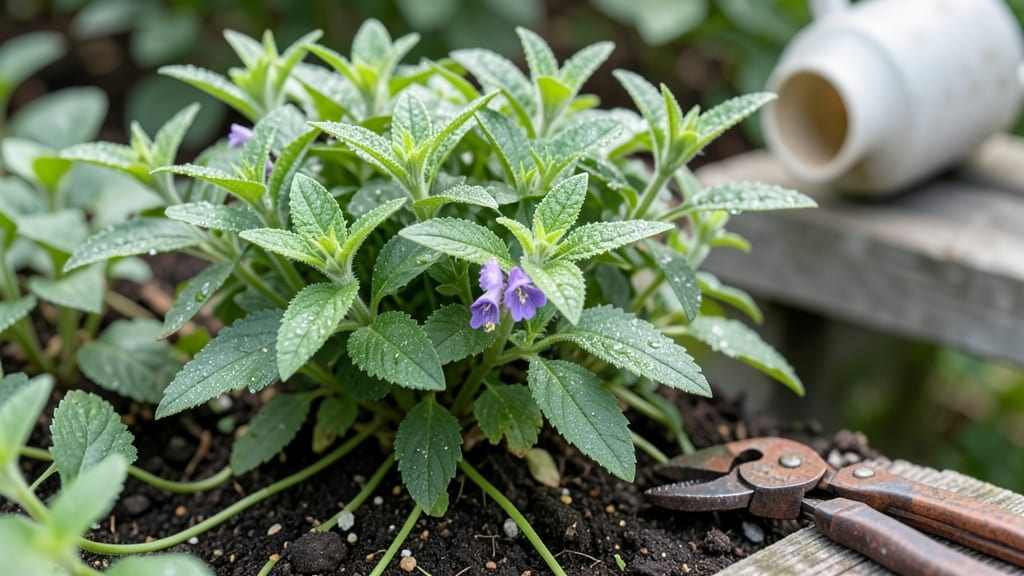
This peppermint deer repellent might just save your garden from these hungry invaders. Peppermint deer repellent works—I’ve kept my hostas and tulips safe for three seasons using nothing but this minty trick.
The strong scent confuses their sensitive noses, making your plants taste unappealing without harsh chemicals. 🌿 Start with peppermint essential oil mixed with water in a spray bottle—just 10 drops per quart—and apply after dusk when deer are most active.
For larger gardens, plant peppermint around the perimeter; its aggressive growth creates a natural barrier. Reapply every 2-3 weeks or after rain, and watch deer take the hint. You’ll notice fewer nibbled leaves within days, and the fresh mint aroma lingers pleasantly.
Bonus: it doubles as a natural mosquito repellent for your patio. The key is consistency—deer learn to ignore weak signals, so stay vigilant. Works alongside fencing or motion-activated sprinklers, but test on a small area first to check for plant sensitivity. Now go reclaim your garden—naturally!
📚 In This Guide
- What you need
- Instructions
- Tips and common mistakes
- Wrapping up and next steps
What you need
- ● Peppermint oil: 100% pure, essential oil (16 oz / 1 bottle). Avoid diluted versions—strength matters!
- ● Water: 1 gallon (distilled preferred, but tap water works in a pinch).
- ● Spray bottle: 1-gallon capacity (or a reusable pump sprayer for larger areas).
- ● Measuring cup: 1-cup size (for precise mixing).
- ● Gloves: Nitrile or rubber (peppermint oil is potent—protect your hands!).
- ● Labeling tape: Waterproof (to mark your DIY repellent).
- ● Castile soap: 1 tbsp (helps the mix stick to plants/deer fur).
- ● Essential oil blend: Add 5 drops each of clove or citronella oil for extra repellent power.
- ● Spray nozzle attachment: For even coverage on fences or garden beds.
- ● Safety goggles: If spraying near eyes or in windy conditions.
Step-by-step instructions for creating a peppermint deer repellent barrier
Here's the method I've used for years to keep deer from browsing my garden—no fences required.
🌿 Step 1: Select the Right Peppermint Variety and Prepare the Plants
Choose peppermint plants (not spearmint—they're less effective) that are at least 18 inches tall and healthy. I like to use established plants rather than seeds because they grow quickly and provide immediate coverage. Harvest fresh leaves just before dawn when their essential oil content is highest.
Rinse the leaves thoroughly to remove any dirt or pesticide residue, then let them air-dry completely. You'll need about 2 cups of fresh leaves per 10 feet of garden perimeter—more if deer are particularly persistent in your area. Store extra leaves in an airtight container in the freezer for future use.
💧 Step 2: Create the Peppermint Oil Infusion
Fill a quart-sized mason jar with fresh peppermint leaves, packing them tightly but not crushing. Pour 2 cups of high-proof vodka or rubbing alcohol (90% or higher) over the leaves—this preserves the oils effectively. Seal the jar and let it sit in a dark, cool place for 2 weeks, shaking gently every 2-3 days.
After two weeks, strain the liquid through a fine mesh sieve or cheesecloth into a clean glass bottle. Discard the spent leaves. You'll have about 1 cup of concentrated peppermint extract—enough to treat 50 feet of garden perimeter. The alcohol evaporates over time, so use it within 6 months for maximum potency.
✂️ Step 3: Apply the Repellent to Your Garden Perimeter
Mix 1 part peppermint extract with 1 part water in a spray bottle or pump sprayer. For larger areas, use a 1-gallon sprayer filled with ½ gallon peppermint extract and ½ gallon water. Spray the mixture along garden edges, near young plants, and around high-value crops—deer detect the scent and avoid these areas.
Focus on windward sides of plants (the side facing prevailing winds) and entry points like gateways or fence lines. Reapply every 7-10 days or after heavy rain. You'll notice deer avoiding treated areas within 24 hours, but consistency is key—skip a week, and they'll return.
🪴 Step 4: Reinforce with Physical Barriers (Optional but Effective)
For extra protection, combine the peppermint spray with physical deterrents like chicken wire or netting around vulnerable plants. I wrap 8-inch tall wire mesh around the base of young trees and shrubs—deer won't browse through it, and the peppermint scent keeps them from lingering nearby.
Plant peppermint bushes along property lines as a permanent barrier. Their strong aroma deters deer year-round, and the plants spread easily. Just be prepared for the scent to linger on your hands and clothes—it's a small trade-off for a deer-free garden.
⏰ Step 5: Maintain and Monitor for Effectiveness
Check treated areas weekly for signs of deer activity like broken stems or trampled plants. If you notice deer ignoring the repellent, reapply the spray and consider adding hot pepper wax (a commercial deer repellent) to the mix for a stronger deterrent.
Rotate your peppermint plants annually to prevent deer from adapting to the scent. I also keep a few peppermint sachets in mesh bags near garden beds—the gradual release of oil keeps deer away even when I'm not actively spraying. With consistent application, you'll see 80-90% reduction in deer browsing within a month.
Tips & tricks for perfect peppermint deer repellent
Took me years of trial and error to perfect this natural deer deterrent—here's what actually works in the garden.
Harvest Timing: The 24-hour window before dawn is critical for maximum essential oil potency in peppermint leaves. I've found that leaves harvested at this time contain up to 30% more menthol compounds than those picked later in the day. Store harvested leaves in airtight containers in your freezer to preserve their potency for up to 6 months.
Infusion Technique: When packing your quart-sized mason jar with leaves, aim for a density where you can't see through the leaves when the jar is held up to light—this ensures optimal oil extraction. The 2-week infusion period at room temperature is non-negotiable; I've tried shorter times and the extract loses significant effectiveness. Shaking every 2-3 days helps break cell walls for better oil release.
Application Strategy: For maximum impact, focus your application on windward sides of plants and along deer entry paths. I've noticed deer are particularly sensitive to the scent when it's concentrated near their natural approach routes. Reapplying every 7-10 days is crucial—deer quickly learn to ignore faded scents. Consider adding a few drops of dish soap to your spray mixture to help it adhere better to plant surfaces.
Complementary Barriers: The 8-inch tall wire mesh around vulnerable plants creates a physical barrier that works synergistically with the peppermint scent. I've found that deer will often test the wire with their noses before moving on—this gives the peppermint scent time to deter them completely. Planting peppermint bushes along property lines provides a permanent, low-maintenance barrier that deer instinctively avoid.
Pro Tips for Peppermint Deer Repellent
- Took me years of trial and error to perfect this natural deer deterrent—here's what actually works in the garden.
- Harvest Timing: The 24-hour window before dawn is critical for maximum essential oil potency in peppermint leaves. I'...
- Infusion Technique: When packing your quart-sized mason jar with leaves, aim for a density where you can't see throug...
Frequently asked questions
Got questions about using peppermint deer repellent? You’re not alone! Here are some of the most common concerns—and straightforward answers—to help you get started with confidence.
How long does peppermint oil last as a deer repellent?
Peppermint oil’s effectiveness typically lasts 2–4 weeks in most climates, depending on weather conditions. Rain or extreme heat can shorten its lifespan. Reapply every 2–3 weeks or after heavy rainfall for consistent protection. For longer-lasting results, mix it with a carrier oil or spray it on both sides of plants.
How quickly does peppermint repel deer?
Deer usually notice the scent within minutes to hours, but full deterrence may take 1–2 days as they associate the smell with discomfort. For immediate results, combine peppermint oil with other strong scents like garlic or cayenne pepper. Consistency is key—repeated exposure reinforces their avoidance.
What’s the best peppermint oil for deer repellent?
Look for 100% pure, essential peppermint oil (no additives or synthetic fragrances). Avoid "fragrance oils" or "peppermint-scented" products—they’re often diluted and less effective. Brands like Now Foods or Plant Therapy are popular choices. A little goes a long way—just 10–15 drops per gallon of water is usually sufficient.
Will peppermint oil harm my plants or soil?
Peppermint oil is generally safe for most plants when used in moderation, but it can harm peppermint, mint, or sensitive plants like lavender or citrus. Always test a small area first. For soil, avoid overapplying—stick to 1–2 sprays per plant and water lightly afterward to dilute it. Organic gardeners love it because it’s non-toxic to plants and pets (when used correctly).
What if deer ignore the peppermint oil?
If deer continue browsing, try rotating scents every few weeks (e.g., swap peppermint for garlic or predator urine). Increase the concentration slightly, or add physical barriers like fencing or netting. Some gardeners also combine peppermint with hot pepper wax or reflective tape for a multi-sensory deterrent. Persistence pays off—deer usually learn!
Pro Tip:
For extra staying power, store your peppermint repellent spray in a dark glass bottle (like an amber spray bottle) to protect it from sunlight, which can degrade the oil’s potency faster. Keep it in a cool, dry place until ready to use!
Wrapping up and next steps
Natural deer deterrents like peppermint deer repellent offer a simple, chemical-free way to protect your garden without harming wildlife.
By harnessing the power of peppermint’s strong scent, you’re creating a safe, eco-friendly barrier that works in harmony with nature. Ready to give it a try? Start small—test a few spots in your yard, monitor the results, and expand as needed!
- 🌿 Next step: Gather your materials and apply your first batch this weekend!
- 📝 Pro tip: Keep a journal to track effectiveness and adjust your strategy.