
Planting
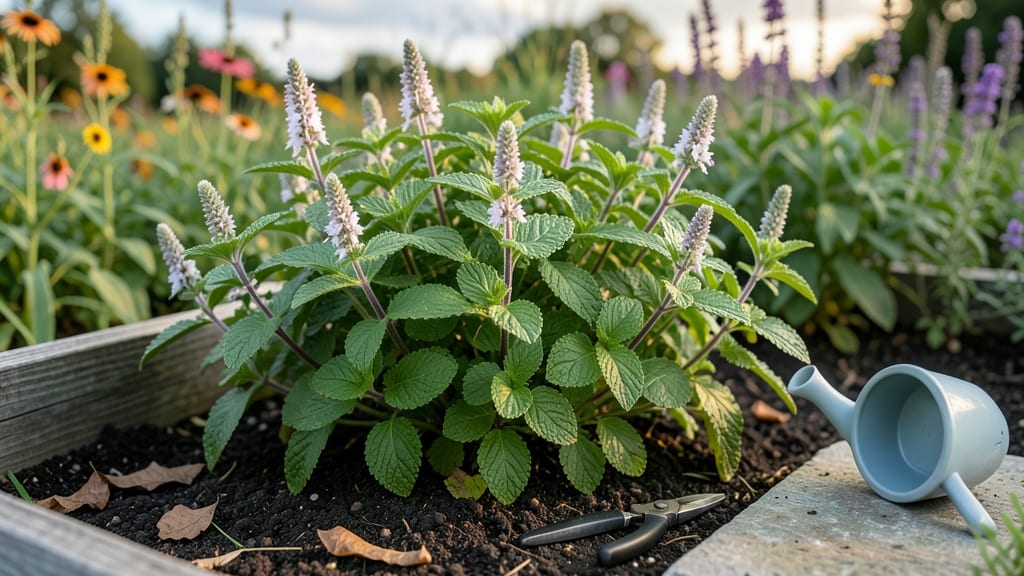
Growing a peppermint tea plant in containers gives you fresh leaves for tea without the garden takeover. 🌱 The secret to keeping it fragrant and productive is controlling its aggressive roots—something I learned after my first plant escaped its pot and took over the yard.
You’ll need a 5-gallon container with drainage, well-draining potting mix, and 4-6 hours of sunlight daily. Peppermint thrives in moist soil but hates soggy roots, so water when the top inch feels dry. Start from seeds or cuttings—both work, but cuttings grow faster.
By midsummer, you’ll have lush, bright green leaves perfect for tea. Snip stems just above a leaf node to encourage bushier growth, and harvest before flowering for the strongest flavor. The scent alone is worth the effort.
This method works for balconies, patios, or windowsills—just keep an eye on those roots. Once you master container growing, you’ll never buy store-bought peppermint again.
📚 In This Guide
- What you need
- Instructions
- Tips and common mistakes
- Wrapping up and next steps
What you need
- ● Peppermint plant: 1 young plant (preferably from a nursery) or peppermint seeds (soak overnight for faster germination). Pro tip: Start with a rooted cutting from an existing plant for quicker results! 💡
- ● Containers: 2-3 5-7 gallon pots (with drainage holes) or a raised planter (12"+ depth). Use fabric grow bags for better root aeration.
- ● Potting mix: 3-4 bags of well-draining, peat-based potting soil (or a 50/50 mix of potting soil and perlite). Avoid garden soil—it compacts and suffocates roots!
- ● Drainage layer: 1-2 inches of gravel, perlite, or small pebbles per pot.
- ● Garden trowel or small shovel for transplanting.
- ● Watering can with a rose nozzle (for gentle watering).
- ● Pruning shears (to keep the plant bushy and control spread).
- ● Organic fertilizer: 1 bottle of balanced liquid fertilizer (10-10-10) or fish emulsion (for nutrient boosts).
- ● Mulch: Straw or shredded leaves (1-2 inches) to retain moisture.
- ○ Sunlight meter (optional): To track 4-6 hours of direct sunlight daily.
- ● Harvesting basket or scissors: For picking fresh leaves.
How to grow a peppermint tea plant in containers
Here's the method I've used to grow lush, fragrant peppermint without the bitter overgrowth that plagues many gardeners.
🪴 Step 1: Choose the Right Container and Soil Mix
Select a container that's at least 12 inches wide and deep—peppermint spreads aggressively, so larger is better. I use unglazed clay pots because they allow excess moisture to evaporate through the walls, preventing root rot. Make sure it has drainage holes; peppermint hates soggy roots.
Fill the container with a loose, well-draining potting mix. I blend 50% premium potting soil, 30% perlite, and 20% compost to create a mix that holds moisture but drains quickly. Avoid garden soil—it compacts and suffocates roots. Moisten the mix with lukewarm water until it feels like a damp sponge, not a soaked rag.
🌱 Step 2: Plant Your Peppermint Cutting or Seedling
Peppermint grows best from cuttings rather than seeds, as they establish faster and retain the parent plant's fragrance and flavor. Take a 4-6 inch cutting from a healthy peppermint plant, removing the lower leaves to expose 2-3 nodes where roots will form. Dip the cut end in rooting hormone to encourage growth.
Plant the cutting 2 inches deep in the prepared soil, pressing gently to secure it. Water lightly to settle the soil around the stem. If using a seedling, place it at the same depth it was growing before. Keep the container in a shady spot for the first 5-7 days to reduce stress. You'll know it's settling in when new leaves appear—usually within 10-14 days.
☀️ Step 3: Provide the Right Light and Water
Peppermint thrives in partial shade, which prevents the leaves from becoming bitter. Place your container in a spot that gets 4-6 hours of morning sun and dappled shade for the rest of the day. Too much direct sunlight turns the leaves harsh and bitter, which is the last thing you want for tea.
Water your peppermint when the top inch of soil feels dry—about 2-3 times per week, depending on your climate. Overwatering is the biggest mistake gardeners make; peppermint roots rot quickly in soggy soil. I like to water deeply but infrequently, ensuring the roots develop strong and resilient. Mulch the soil surface with 1 inch of straw to retain moisture and keep roots cool.
✂️ Step 4: Prune and Harvest for Fragrant Leaves
To encourage bushy growth and prevent legginess, pinch back the tips of the stems when they reach 4-6 inches tall. This redirects energy to lateral growth, giving you a fuller plant. Regular pruning also keeps the plant from becoming woody, which happens when stems mature and lose their tender, fragrant leaves.
Harvest leaves in the morning after the dew has dried but before the sun intensifies. Use clean scissors to snip just above a leaf node, leaving at least 2 inches of stem. Avoid harvesting more than one-third of the plant at a time—this ensures you have plenty of foliage for future harvests. You'll know it's time to harvest again when new growth appears, usually within 3-4 weeks.
🌿 Step 5: Overwinter and Prevent Bitter Overgrowth
Peppermint is a perennial, meaning it will live for years if cared for properly. In winter, move your container to a protected spot where it won’t freeze, like a garage or under a porch. Reduce watering to once every 2-3 weeks, just enough to keep the soil from drying out completely.
To prevent the plant from becoming bitter, divide and repot every 2-3 years. This rejuvenates the plant and keeps it from overcrowding, which leads to tough, woody stems. Spring is the best time to divide—simply lift the plant, separate the roots, and replant the healthiest sections in fresh soil. You’ll be rewarded with vibrant, fragrant new growth within weeks.
Tips & tricks for growing fragrant peppermint tea plants
Real talk: Growing peppermint that stays sweet and fragrant—not bitter—is all about the details. These are the tricks I've learned after watching plants turn harsh in my own garden.
Container Size Matters: Peppermint spreads aggressively, so don't skimp on container space. The 12-inch minimum is non-negotiable, but I've found that 16-18 inch containers prevent overcrowding entirely. If you're using a smaller pot, divide your plant every 1-2 years instead of waiting 3 years—this keeps roots fresh and prevents that bitter overgrowth we're all trying to avoid.
Soil Mix Secrets: That 50-30-20 blend of premium potting soil, perlite, and compost is your foundation, but here's what nobody tells you—add 1 tablespoon of Epsom salt per gallon of mix. The magnesium helps prevent yellowing leaves and keeps your peppermint vibrant. Mix it in thoroughly before planting, and your leaves will stay lush and fragrant longer.
Light Balance is Everything: The 4-6 hours of morning sun is perfect, but I've noticed that plants in east-facing windows get just the right balance without afternoon intensity. If you're using artificial light, a grow light on a timer for 6-8 hours daily works well—just keep it 12-18 inches above the plant to avoid heat stress.
Harvesting Strategy: When you're harvesting those 3-4 week intervals, here's my game-changer: Always harvest from the bottom up. Start with the lowest leaves first, then work your way up the stem. This encourages new growth at the base where the plant is most tender and fragrant. Plus, it keeps your plant looking bushy and full longer.
Pro Tips for Peppermint Tea Plant
- Real talk: Growing peppermint that stays sweet and fragrant—not bitter—is all about the details.
- Container Size Matters: Peppermint spreads aggressively, so don't skimp on container space.
- Soil Mix Secrets: That 50-30-20 blend of premium potting soil, perlite, and compost is your foundation, but here's what nobody tells you—add 1 tablespoon of Epsom salt per gallon of mix.
Frequently asked questions
Got questions about growing your own peppermint tea plant? You’re not alone! Here are answers to the most common queries to help you cultivate a thriving, fragrant harvest—without the headaches.
Can I grow peppermint in a container, or does it need a garden bed?
Peppermint thrives in containers—just ensure the pot is at least 12 inches deep and has drainage holes. Use well-draining soil and repot every 2–3 years to prevent root-bound stress. Containers also help control its aggressive spread, making it perfect for patios or balconies!
How long does it take for peppermint plants to grow enough leaves for tea?
With proper care, you’ll see noticeable growth in 4–6 weeks, but harvestable leaves (for tea) typically appear after 8–12 weeks. Pinch back flowers to redirect energy to leaf production. For a continuous harvest, trim stems regularly—just avoid cutting more than ⅓ of the plant at once.
Why is my peppermint plant turning yellow or wilting?
Yellowing leaves often signal overwatering or poor drainage. Let the top inch of soil dry out between waterings, and ensure your container has drainage holes. Wilting can also mean underwatering or root stress—check soil moisture and avoid letting it dry out completely. Adjust sunlight if leaves scorch (too much sun) or stretch (too little).
What’s the best alternative if peppermint spreads too aggressively?
If peppermint’s invasive roots are a concern, try spearmint (less aggressive) or apple mint (milder flavor). For a similar tea experience, pineapple mint or bergamot mint are great substitutes. Just know they’ll still spread—plant them in containers or use root barriers to contain growth!
How do I harvest peppermint leaves for the best-tasting tea?
Harvest leaves in the morning after dew dries but before the sun peaks. Use sharp scissors to snip top sets of leaves (avoid woody stems). For tea, strip leaves from stems or use whole sprigs. Dry them in a dark, well-ventilated space for 1–2 weeks, then store in airtight containers. Pro tip: Freeze fresh leaves for a quick tea fix!
Wrapping up and next steps
Growing your own peppermint tea plant in containers is a rewarding journey—packed with fragrant rewards and minimal hassle! 🌿 With the right soil, sunlight, and care, you’ll enjoy fresh, flavorful leaves for tea without the risk of invasive spread.
Whether you’re a seasoned gardener or a curious beginner, this fragrant harvest is well within reach.
Ready to bloom with confidence? Start small—plant your container, nurture it, and soon you’ll be sipping homemade peppermint tea straight from your garden. Your next step? Grab those containers and let the minty magic begin! ☕✨