
Container Gardens
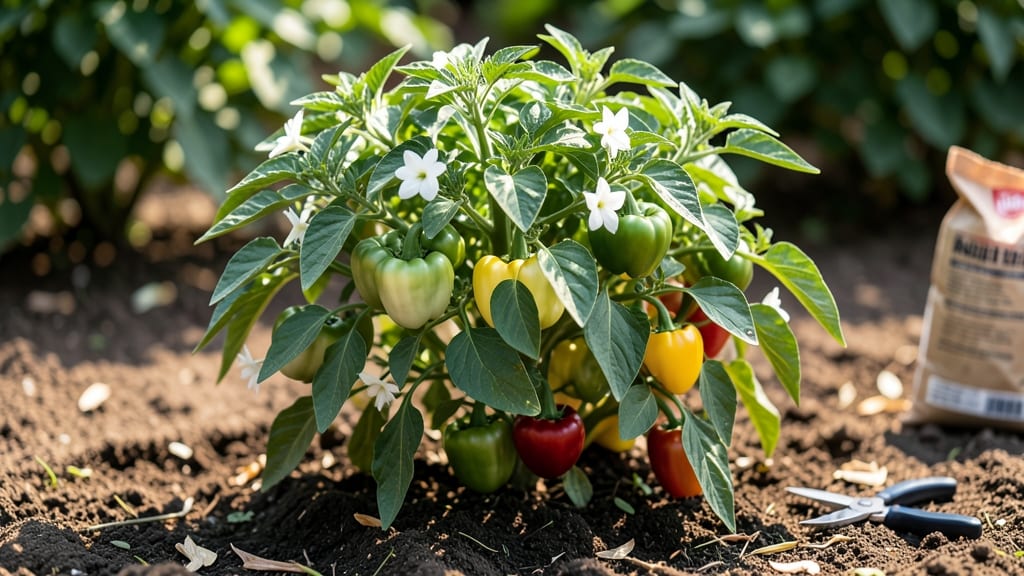
Peppers growing stages reveal a journey from tiny seeds to fiery harvests—each phase demands attention, but I’ve learned the secrets to keeping them thriving. 🌱 The first 10 days after planting are critical: seeds need warmth and moisture to break dormancy, or they’ll simply refuse to sprout.
I’ve watched impatient gardeners give up too soon, only to see sprouts emerge on day 12 instead of day 7.
Once seedlings pop, the real work begins. True leaves appear in 2-3 weeks, but that’s when most beginners make their first mistake—overwatering or letting them get leggy. I harden off my seedlings for 7-10 days before transplanting, moving them outside gradually to toughen their stems.
The goal? Stocky, dark-green plants ready to handle real garden conditions without wilting.
By 6-8 weeks, you’ll spot the first flower buds—tiny white stars that signal the plant’s focus is shifting from growth to fruit production. This is when consistent watering and balanced fertilizer become non-negotiable.
My jalapeños now produce 20+ peppers per plant because I learned to feed them lightly during flowering and avoid overwatering once fruit sets.
Harvest time arrives 60-90 days after transplanting, depending on variety, but the real magic happens in the weeks leading up to it. Peppers ripen unevenly, so I check plants every 3-5 days, plucking them at their peak color.
The first harvest is always the sweetest—literally and figuratively—because you’ve earned every crisp, vibrant pepper.
📚 In This Guide
- What you need
- Instructions
- Tips and common mistakes
- Wrapping up and next steps
What you need
- ● Peppers Seeds or Seedlings: Choose container-friendly varieties like Jalapeño, Bell, or Thai Chili (6-8 seeds or 3-5 seedlings per container). Organic, non-GMO seeds (e.g., from Baker Creek Heirloom Seeds or local nurseries).
- ○ Containers: 5–10 gallon pots (minimum 12" deep) for mature plants. Fabric grow bags or self-watering containers (optional but helpful for moisture control).
- ● Potting Soil: High-quality well-draining mix (e.g., Miracle-Gro Potting Mix or Fox Farm Ocean Forest). Add perlite or vermiculite (10-20% by volume) to improve aeration.
- ● Fertilizer: Balanced 10-10-10 or 5-5-5 fertilizer (organic options like fish emulsion or compost tea work too). Slow-release granules (e.g., Osmocote) for steady nutrition.
- ● Watering Can or Hose: With a fine rose attachment to avoid disturbing soil.
- ○ Support (Optional but Helpful): Bamboo stakes or tomato cages (for varieties like Banana Peppers that need support).
How to track pepper growth through every critical stage
Peppers transform dramatically from seed to harvest—here's how to recognize each phase so you never miss a milestone.
🌱 Step 1: Germination and First True Leaves
Germination begins when you see the first tiny cotyledons (seed leaves) push through the soil, usually within 7-14 days at 70-80°F. These initial leaves look like tiny, rounded shields and aren't true pepper foliage yet. I keep the soil consistently moist but never soggy—just damp enough that it holds together when gently squeezed.
True pepper leaves emerge next, about 10-14 days after germination. These are the serrated, lance-shaped leaves that define pepper plants. Watch for this shift—it means your seedlings are developing their full photosynthetic capacity. If leaves appear pale or stretched, your seedlings need more light immediately.
🌿 Step 2: Vegetative Growth and Flower Bud Formation
Once seedlings have 4-6 true leaves and are 4-6 inches tall, they enter rapid vegetative growth. This is when you'll see new leaves forming every 2-3 days and stems thickening. I fertilize lightly with a balanced 10-10-10 formula at half strength to encourage strong root and stem development without burning tender foliage.
About 6-8 weeks after germination, you'll notice small white or purple flower buds forming in the leaf axils. These buds signal the plant's transition from leaf production to fruit development. If buds drop off, your plant may be stressed—check for underwatering, temperature swings below 60°F, or nutrient deficiencies.
☀️ Step 3: Flowering and Early Fruit Set
When flowers open, they reveal yellow or white petals with a central cone. Peppers are self-pollinating, but you can help by gently tapping stems or using a small paintbrush to transfer pollen between flowers. I find this especially helpful in greenhouse setups where airflow is limited.
After pollination, flowers drop and tiny pepper fruits begin forming. These start as green, marble-sized bumps that grow rapidly. This is when you'll notice fruit color changes—green peppers stay green, while others like bell peppers turn yellow, red, or orange as they mature. Water consistently at the base to prevent blossom-end rot.
⏰ Step 4: Fruit Maturation and Harvest Readiness
Peppers reach harvest when they've developed their full color and size—typically 60-90 days after transplanting, depending on the variety. For example, jalapeños are ready when they're 3-4 inches long and firm, while bell peppers should be 3-4 inches in diameter and glossy. I test ripeness by gently squeezing—ripe peppers yield slightly but don't feel mushy.
Harvest in the morning when fruits are coolest and flavor is most concentrated. Use clean pruners to cut stems, leaving a small stub. This encourages the plant to produce more flowers and fruits. If left on the plant too long, peppers may become overripe, tough, or bitter.
🌱 Step 5: Post-Harvest Care and Plant Longevity
After harvesting, continue watering and fertilizing to extend the plant's productivity. Many pepper varieties keep producing for weeks or even months if cared for properly. I remove any yellowing or diseased leaves immediately to prevent spread and maintain airflow.
As temperatures drop below 50°F, pepper plants slow down. In cooler climates, I bring potted peppers indoors or harvest remaining fruits before the first frost. With proper care, some varieties like bell peppers can even produce a second crop if given enough time and warmth.
Tips & tricks for perfect pepper growth stages
Mastering pepper growth requires attention to detail at every stage—here's how to optimize each phase for maximum success.
Germination Environment: The 70-80°F temperature range is crucial for consistent germination. If your home runs cooler, consider using a seedling heat mat or placing trays on top of the refrigerator. I've found that maintaining even moisture without soggy soil prevents damping off—a fungal disease that kills seedlings. Use a spray bottle to mist soil rather than pouring water directly to avoid disturbing the seeds.
Lighting Insight: When those first true leaves appear around 10-14 days, position seedlings within 2-3 inches of grow lights for 14-16 hours daily. Natural sunlight works too, but south-facing windows often aren't sufficient. I notice seedlings stretch toward light sources, which weakens stems—this is your cue to adjust lighting immediately. Rotate trays daily for even growth.
Flower Bud Care: Around the 6-8 week mark when flower buds form, reduce nitrogen fertilizer to prevent excessive leaf growth at the expense of fruit production. I switch to a 5-10-10 formula at full strength to support flowering. Watch for buds dropping off—this often signals stress from sudden temperature drops below 60°F or inconsistent watering. A simple fix is to move plants to a more stable environment.
Harvest Timing: The 60-90 day range for harvest readiness varies by variety, but I always check for firmness and glossy skin before cutting. For bell peppers, I wait until they reach full color—green peppers taste milder when harvested earlier, while red varieties develop deeper sweetness when fully mature. Harvest in morning hours when fruits contain the most moisture and flavor compounds.
Pro Tips for Peppers Growing Stages
- Mastering pepper growth requires attention to detail at every stage—here's how to optimize each phase for maximum success.
- Germination Environment: The 70-80°F temperature range is crucial for consistent germination.
- Lighting Insight: When those first true leaves appear around 10-14 days, position seedlings within 2-3 inches of grow lights for 14-16 hours daily.
Frequently asked questions
Growing peppers is rewarding but comes with questions—especially for beginners! Here are answers to the most common ones to help you navigate each stage like a pro.
How long does it take for pepper seeds to germinate?
Most pepper seeds sprout within 7–21 days, depending on temperature and moisture. Keep soil warm (70–85°F) and consistently damp for best results. Pro tip: Use a heat mat if your home runs cool!
When should I transplant pepper seedlings outdoors?
Wait until after the last frost and soil temps reach 60°F+ (peppers hate cold!). Seedlings need 5–6 weeks indoors first. Harden them off for 3–5 days before moving them outside.
Why are my pepper plants flowering but not fruiting?
Common causes include too much nitrogen (focus on phosphorus/potassium), temperature stress (peppers need warmth), or lack of pollinators. Hand-pollinate with a brush if bees are scarce, and ensure full sun (6+ hours/day).
What should I do if my pepper plants get blight?
Remove infected leaves immediately and destroy them. Improve airflow, avoid overhead watering, and apply copper fungicide or neem oil preventatively. Choose resistant varieties (like Jalapeño ‘Early Jot’) for future grows.
Can I grow peppers in containers year-round?
In warm climates (Zones 9–11), yes! Use 5-gallon+ pots with well-draining soil and move containers indoors during winter. In cooler zones, treat them as annuals or overwinter in a greenhouse. Pro tip: Use grow lights if natural light drops below 6 hours/day!
Wrapping up and next steps
Growing peppers from seed to harvest is a rewarding journey filled with vibrant colors and delicious flavors! 🌱 By understanding each stage—from seed germination to fruiting—you’ve gained the confidence to nurture healthy, thriving plants.
Whether you’re a beginner or a seasoned gardener, your container garden is now ready to burst with spicy jalapeños, sweet bell peppers, or everything in between.
Now that you’re equipped with knowledge, take the next step: plant your seeds or seedlings today! Monitor their progress, adjust care as needed, and soon, you’ll be savoring homegrown peppers straight from your container. Happy gardening! 🌶️✨