
Picking
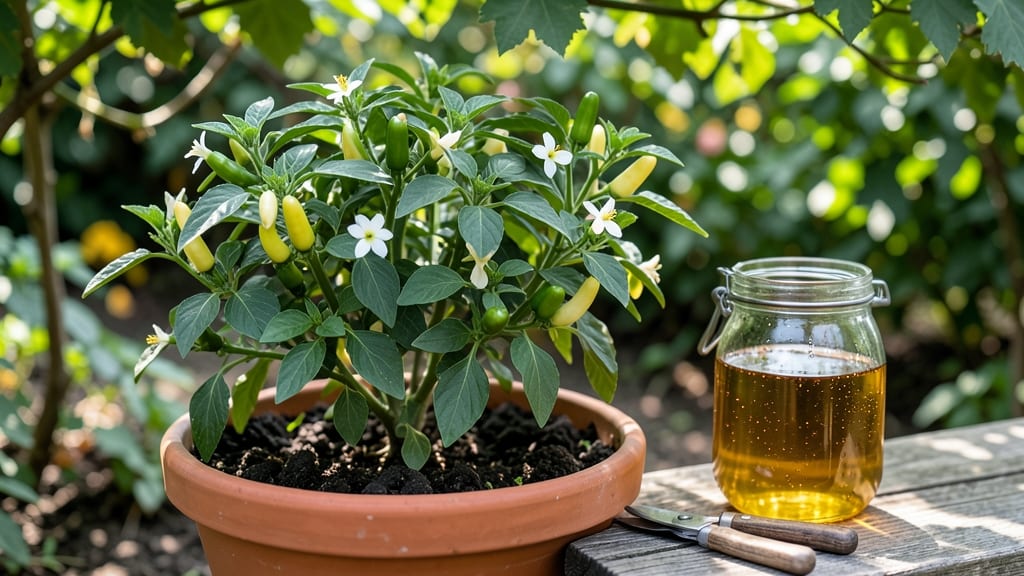
Pickled pepperoncini peppers offer a zesty, crisp bite with just a hint of heat, blending sharp acidity and delicate spice. Their vibrant green hue and firm texture shine in antipasto platters, sandwiches, and salads, while elevating pizzas, pasta dishes, and seafood without stealing the spotlight.
These tiny peppers pack a flavor punch thanks to their quick-pickle process, which preserves their signature crunch while infusing them with tangy vinegar and aromatic herbs. 🌟 Unlike their larger jalapeño cousins, pepperoncini stay crisp even after pickling, making them perfect for topping charcuterie boards or adding a bright contrast to creamy dishes.
I've found they work especially well in Italian-inspired recipes, where their acidity cuts through rich flavors like olive oil and garlic.
The secret to their texture lies in the pickling method—traditional brine cures preserve their firmness better than quick-pickle vinegar baths, though both techniques create that signature tang. For best results, store them in the fridge and use within 2-3 weeks to maintain that satisfying crunch.
💡 In This Article
- How Pickling Preserves Pepperoncini’s Crunch and Flavor
- Creative Ways to Use Pickled Pepperoncini in Cooking
How pickling preserves pepperoncini’s crunch and flavor
The pickling process transforms fresh pepperoncini into their signature tangy, crunchy form through a carefully balanced chemical reaction.
Vinegar (typically white or apple cider) acts as the primary preservative by creating an acidic environment—usually around pH 3.5-4.0—that inhibits bacterial growth while softening the peppers just enough to develop flavor without losing their firm bite.
The acidity also breaks down pectin in the pepper walls, but the small size and thick skin of pepperoncini resist over-softening better than larger peppers like jalapeños.
Brine composition plays a crucial role in texture preservation. Traditional brine methods use 5-10% salt solution (about ½-1 cup salt per quart of water) combined with vinegar and spices. This high-salt environment draws moisture out of the peppers via osmosis, creating a firmer texture while concentrating their natural oils.
Quick-pickle methods skip fermentation and rely on immediate acidification, but they often use 1:1 vinegar-to-water ratios with added sugar (1-2 tablespoons per cup of liquid) to enhance flavor without compromising crunch. The sugar also helps balance the sharpness.
What sets pepperoncini apart is their short fermentation window—typically 1-2 weeks—compared to longer fermented peppers. The brief fermentation period allows mild lactic acid bacteria to develop just enough tang without overpowering the peppers' natural sweetness.
This process creates that signature "bright" flavor profile that's more complex than simple vinegar-soaked peppers. For comparison, a jalapeño left in brine for the same time would become mushy, while pepperoncini maintain their 3-4mm thickness and crisp edges.
Temperature control during pickling is non-negotiable for texture. Most recipes recommend processing at room temperature (68-72°F) for optimal results—hotter conditions accelerate softening, while colder temperatures slow flavor development. The ideal storage temperature after pickling is 35-40°F (fridge conditions), which preserves their crunch for up to 3 months.
What most people don't realize is that the first 24 hours after pickling are critical—the peppers absorb the most brine and flavor during this period, setting the stage for their final texture.
Consider these key factors when comparing pickling methods:
- Traditional brine: 2-3 weeks process, deeper flavor development, firmer texture (best for long-term storage)
- Quick-pickle: 1-2 days process, brighter acidity, slightly softer (ideal for immediate use)
- Fermented: 3-4 weeks process, complex tanginess, risk of over-softening (requires careful monitoring)
The science behind their heat level—typically 500-1,000 Scoville units—comes from their capsaicin content, which remains stable during proper pickling. Unlike fresh peppers that lose heat when cooked, pickled pepperoncini retain their mild kick because the capsaicin dissolves in the brine but doesn't degrade.
This makes them perfect for adding subtle heat without the intensity of fresh chili peppers.