
Picking
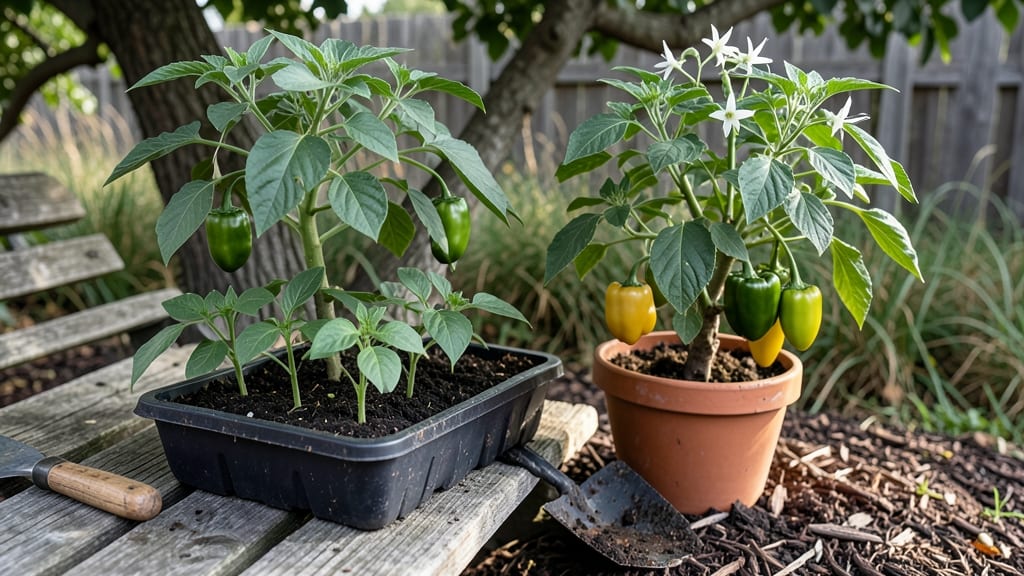
Planting peppers with pole supports turns a sprawling mess into a space-saving dream—my 2023 garden fit 12 plants in a 4x4-foot patch where I’d only grown 6 before. 🌱 The secret isn’t fancy equipment; it’s knowing when to plant, how deep to tuck those roots, and which companions keep pests at bay while peppers thrive.
Start with well-draining soil (mix in compost if your dirt’s heavy) and wait until after your last frost when soil hits 60°F. Plant seeds ¼ inch deep, 18 inches apart, then install 5-foot bamboo stakes or trellis netting at the same time—peppers hate root disturbance later.
Pair them with basil or marigolds to repel aphids, but avoid fennel (it stunts growth). By midsummer, you’ll watch glossy green leaves climb upward instead of sprawling, and red, yellow, or purple peppers dangle at eye level for easy picking.
The real magic? No more crowded plants struggling for sunlight, and twice the harvest in the same space. For beginners, the biggest mistake is planting too early—peppers wilt in cold soil. If your garden’s small or shady, try container growing with a sturdy cage.
Pole training works for bell, jalapeño, or habanero varieties—just adjust stake height to match your pepper’s mature size.
📚 In This Guide
- What you need
- Instructions
- Tips and common mistakes
- Wrapping up and next steps
What you need
- ● Pepper plants: 3–6 healthy seedlings (choose compact or bush varieties like 'Shishito,' 'Jalapeño,' or 'Thai Chili' for pole training).
- ● Poles or trellis: Option 1: 6–8 ft tall bamboo stakes (3–4 stakes per plant, spaced 12–18" apart).
- ● Option 2: Pre-made tomato cages (adjustable, 4–5 ft tall).
- ● Option 3: DIY trellis (use PVC pipes or wooden frames with twine).
- ● Garden twine or soft plant ties: 10–15 ft (jute or biodegradable for eco-friendliness).
- ● Potting mix: 10–15 gallons of well-draining, organic soil blend (add compost for nutrients!).
- ● Containers or raised beds: At least 5-gallon pots per plant (or 12" deep beds with good drainage).
- ● Fertilizer: Balanced liquid fertilizer (10-10-10) or compost tea (follow package rates).
- ● Pruning shears: Small, sharp pair for trimming excess leaves/stems.
- ● Mulch: Straw or shredded leaves to retain moisture and suppress weeds.
- ● Plant clips: Plastic or metal clips to secure vines without damaging stems.
- ● Grow lights: LED lights (for indoor setups or early seedlings).
- ● Support netting: Lightweight netting for extra stability in windy areas.
- ● Pest control: Neem oil or companion plants (basil/marigolds) to deter pests.
Step-by-Step guide to pole training peppers in small spaces
Here's how I transform sprawling pepper plants into vertical powerhouses—saving space without sacrificing yield.
🪴 Step 1: Select the Right Support System
Choose sturdy 5-6 foot tall stakes or a trellis system for each plant—peppers get heavy with fruit. I prefer bamboo stakes because they're lightweight yet strong enough to handle 1-2 pound peppers without bending. Drive stakes into the soil 6 inches deep at planting time, or use J-bent wire cages for extra stability in windy areas.
For container gardens, secure stakes to the pot's edge using soft plant ties or old pantyhose cut into strips. The key is to position supports 2-3 inches from the main stem so vines can wrap naturally without rubbing against rough surfaces. If you're using a trellis, space vertical strings 12 inches apart to create a ladder for upward growth.
🌱 Step 2: Train the Main Stem Early
When seedlings reach 6-8 inches tall with their first true leaves, gently tie the main stem to the stake using a soft tie. I use 100% cotton plant tape because it stretches as the plant grows without strangling stems. The first tie should be at the base of the plant, with the top of the tie positioned just below the lowest leaves.
Here's the thing—don't wait until plants are lush and heavy. If you let peppers grow unguided until they're 18 inches tall, the stems become too thick and brittle to tie properly. Instead, establish the training habit early. Every 4-6 inches of new growth, add another tie higher up the stake, always keeping the plant upright and centered.
☀️ Step 3: Prune Strategically for Airflow
Remove all suckers (side shoots) that grow below the first flower cluster—these compete with fruit production. I use clean, sharp bypass pruners to make cuts at a 45-degree angle just above a leaf node. This encourages energy to flow upward rather than outward.
Leave 1-2 suckers per plant above the first fruit cluster to create secondary branches. These will produce 1-2 additional pepper pods without overcrowding. Watch for leggy growth between nodes—this signals your plant needs more light. If you see stems stretching more than 6 inches between leaves, move the plant closer to a sunny window or supplement with a grow light.
💧 Step 4: Water and Fertilize for Vertical Growth
Water at the base 1-2 times per week, aiming for 1 inch of water per week. Let the top 2 inches of soil dry between waterings to prevent root rot. I use a drip irrigation system or watering can with a narrow spout to deliver moisture directly to the root zone without wetting leaves—this prevents fungal diseases that thrive in damp foliage.
Fertilize every 3-4 weeks with a balanced 10-10-10 formula or compost tea. The goal is to feed roots without overloading the plant with nitrogen, which promotes leafy growth at the expense of fruit. You'll know you're on track when your peppers produce 3-5 pods per cluster and stems remain sturdy enough to support their weight.
✂️ Step 5: Harvest and Maintain Through the Season
Pick peppers when they reach 70-80% of their mature size—this encourages continuous production. Use a sharp knife or shears to cut stems ¼ inch above the fruit to avoid damaging the plant. Regular harvesting prevents the plant from diverting energy into seed production, which would otherwise signal the end of the growing season.
Throughout the season, check ties weekly and adjust as stems thicken. If you notice peppers leaning toward one side, gently weave the vine around the stake in the opposite direction. By late summer, your once-sprawling plants will be 5-6 feet tall vertical towers producing peppers at every node. This is the moment that matters—your compact garden just became a high-yield powerhouse.
Tips & tricks for pole training peppers in small spaces
A few simple adjustments can turn your sprawling pepper plants into efficient vertical gardens that maximize yield without taking over your space.
Support System Stability: The key to successful pole training lies in the foundation. When driving your 5-6 foot stakes 6 inches deep into the ground, angle them slightly toward the plant's growth direction—this creates a natural counterbalance for the plant's weight as it matures. For windy areas, consider using J-bent wire cages instead of single stakes, as they distribute weight more evenly and prevent the plant from toppling during storms. I've seen 1-2 pound peppers snap entire stakes when they weren't properly anchored.
Tie Placement Technique: In Step 2, when adding your ties every 4-6 inches of new growth, position them in a figure-eight pattern rather than a simple loop. This creates more surface area contact with the stem, preventing the tie from cutting into the plant as it thickens. I learned this the hard way after watching several plants develop deep grooves from standard ties. Always leave ½ inch of space between the tie and the stem to allow for growth—this small margin makes all the difference in preventing stem damage.
Pruning for Optimal Airflow: When removing suckers below the first flower cluster in Step 3, don't just cut them off—make your cuts at a 45-degree angle just above a leaf node. This angled cut helps water bead away from the wound, reducing the risk of fungal infections. I also recommend sterilizing your bypass pruners with rubbing alcohol between cuts to prevent spreading any potential pathogens. The goal is to maintain clean wounds that heal quickly while redirecting the plant's energy upward.
Container Garden Adaptations: For those growing in pots, secure your stakes to the container's edge using soft plant ties or strips of old pantyhose. The trick is to create a loop that goes around the stake, then wraps around the pot's edge before looping back to the stake—this three-point attachment prevents the stake from rocking or pulling away as the plant grows heavier. When using trellis systems, space your vertical strings 12 inches apart to create a proper ladder structure that supports the plant's weight at multiple points.
Pro Tips for Planting With Peppers
- A few simple adjustments can turn your sprawling pepper plants into efficient vertical gardens that maximize yield without taking over your space.
- Support System Stability: The key to successful pole training lies in the foundation.
- Tie Placement Technique: In Step 2, when adding your ties every 4-6 inches of new growth, position them in a figure-eight pattern rather than a simple loop.
Frequently asked questions
Got questions about growing peppers vertically? Here are some of the most common ones—plus quick answers to help you get started!
When is the best time to plant peppers for pole training?
Peppers thrive in warm soil, so wait until after the last frost (typically late spring) when nighttime temps stay above 50°F (10°C). Start seeds indoors 8–10 weeks before transplanting if your growing season is short. Pole training works best with compact varieties like ‘Apache’ or ‘Lunchbox’—plant them near supports in early May for a head start!
Can I use any pepper variety for pole training?
Not all peppers are pole-friendly! Look for bushy, compact varieties (under 24 inches tall) like bell peppers, jalapeños, or ‘Snack Box’ peppers. Avoid sprawling types like ‘Banana’ peppers—they’ll flop without heavy pruning. Check seed packets for “bush” or “compact” labels to save space and hassle.
What if my peppers won’t climb or stay upright?
Peppers are not natural climbers, so they’ll need help! If they’re flopping:
- Tie stems gently to the trellis with soft plant ties (not wire!).
- Prune suckers (side shoots) to encourage upward growth.
- Use a cage or A-frame trellis for better support.
Can I plant peppers with other vegetables in a compact garden?
Peppers play well with basil, onions, tomatoes, and carrots (they deter pests like aphids). Avoid planting them near fennel or brassicas (cabbage family), as they compete for nutrients. For pole training, leave 12–18 inches of space between plants to prevent overcrowding. Pair them with shallow-rooted herbs like thyme or oregano to maximize vertical space.
How do I harvest peppers from a trellis without damaging the plant?
Use these tips for a stress-free harvest:
- Grasp the pepper near the stem and twist gently—don’t pull!
- Harvest in the morning when peppers are firm and flavors peak.
- Leave 1–2 inches of stem attached to prevent disease.
- For heavy varieties (like bananas), support the pepper with your other hand to avoid snapping the stem.
What if my peppers get too hot or spicy for my taste?
Spice levels depend on variety and sunlight—hot peppers grow hotter in full sun! To mellow them:
- Harvest early (young peppers are milder).
- Cook them (heat dissipates with heat).
- Try ‘NuMex Sandia’ or ‘Lemon Drop’ for sweeter options.
Wrapping up and next steps
Planting with peppers in compact gardens is totally doable—and even fun—with the right pole training hacks! 🌱 By maximizing vertical space, you’ll enjoy bountiful harvests without sacrificing your small plot. Start small, experiment with setups, and soon you’ll be growing peppers like a pro.
Ready to take the next step? Pick a pepper variety (or two!) this weekend and sketch out your trellis or cage design. Before you know it, you’ll be savoring homegrown heat and flavor straight from your garden. Happy planting! 🌶️