
Picking
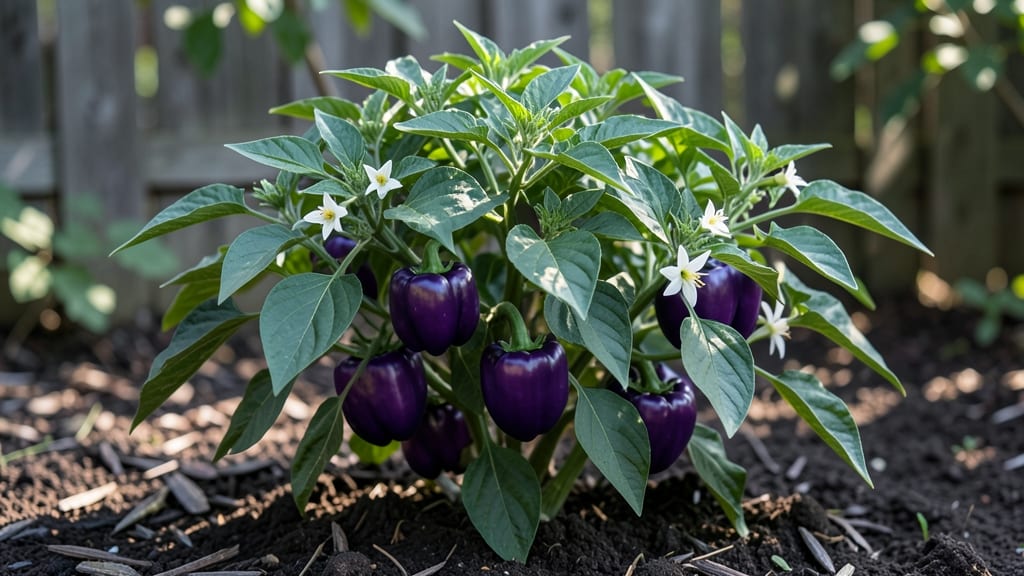
Growing purple-colored peppers transforms your patio into a living art gallery. 🌿 These striking varieties like 'Purple Beauty' and 'Black Hungarian' thrive in vertical space, saving room while delivering bold flavors and vibrant colors that turn heads at harvest time.
The secret lies in rich, well-draining soil and 6-8 hours of direct sunlight daily—no fancy equipment needed. Most gardeners overwater these peppers, but they actually prefer consistent moisture rather than soggy roots. A balanced fertilizer every 4-6 weeks keeps them producing through fall.
By midsummer, you'll be snipping deep purple pods that ripen to rich reds and blacks, perfect for stuffing, roasting, or fresh salsas. The vertical growth habit means you can grow 3-4 plants in just 4 square feet of space.
Common mistakes? Overcrowding and neglecting trellises—these peppers get heavy when laden with fruit. With proper support, you'll end up with neat rows of hanging peppers that look like edible jewelry. Let's get those seeds started!
📚 In This Guide
- What you need
- Instructions
- Tips and common mistakes
- Wrapping up and next steps
What you need
- ● Purple Pepper Seeds or Seedlings: Choose Capsicum annuum varieties like 'Purple Beauty' or 'Purple Flash' (available at nurseries or online seed banks).
- ● Quantity: 3–5 seeds (or 1–2 seedlings per container).
- ● Vertical Growing Containers: Fabric grow bags (5–10 gallons, breathable for root health).
- ● OR Stackable pots (minimum 12" deep, with drainage holes).
- ● Quantity: 1 per pepper plant (or shared in larger containers for 2–3 plants).
- ● High-Quality Potting Mix: Lightweight, well-draining mix (e.g., 60% coco coir, 30% perlite, 10% compost).
- ● Quantity: 1–2 bags (5–10 cubic feet).
- ● Support Structures: Vertical trellis, wall-mounted pockets, or tiered shelves (ensure stability for 2–3 ft plants).
- ● Twine or plant clips (for training vines).
- ● Watering Can or Drip Irrigation: Self-watering option preferred (e.g., 1-gallon can with a long spout).
- ● Fertilizer: Balanced liquid fertilizer (10-10-10 or organic fish emulsion).
- ● Slow-release granules (e.g., osmocote) for long-term growth.
- ● Growth lights (LED, full-spectrum) for indoor setups (12–16 hrs/day).
- ● pH test kit (ideal soil pH: 6.0–6.8 for peppers).
- ● Compost tea or mycorrhizal fungi (boosts root health).
- ● Pruning shears (for shaping plants and harvesting).
- ● Row covers or netting (protects from pests like aphids).
How to grow purple colored peppers in vertical space
Here's how to cultivate striking purple peppers in tight spaces using smart vertical techniques.
🌱 Step 1: Select Compact Purple Pepper Varieties
Choose dwarf or bush varieties specifically bred for vertical growing, like 'Purple Beauty' or 'Black Beauty' peppers. These compact types stay under 3 feet tall while producing vibrant purple fruits. Avoid standard bell pepper varieties—they sprawl and need more space. Look for seed packets labeled "bush" or "compact" to ensure they'll thrive in your vertical setup.
Start seeds indoors 8-10 weeks before your last frost date. Purple peppers need warmth to germinate, so use a seedling heat mat set to 75-80°F. You'll notice tiny sprouts in 7-14 days—this is your signal to begin careful watering. Keep soil consistently moist but never soggy during germination; overwatering at this stage causes damping-off disease that kills seedlings overnight.
🪴 Step 2: Set Up Vertical Growing System
Use 4-foot tall vertical planters or repurpose a sturdy trellis with pockets for each plant. Fill each pocket with 2 gallons of well-draining potting mix enriched with compost. Purple peppers prefer slightly acidic soil (pH 6.0-6.8), so test your mix before planting. I like to blend 60% potting mix, 30% coconut coir, and 10% perlite for ideal drainage.
Install a drip irrigation system at the base of each pocket to deliver water directly to roots. This prevents leaf wetness that invites fungal diseases. Water deeply 2-3 times per week, checking that top 2 inches of soil feel dry before each watering. Purple peppers are drought-sensitive—they drop flowers and fruit if stressed, so consistent moisture is critical.
☀️ Step 3: Provide Optimal Light and Support
Place your vertical setup in full sun (6-8 hours daily) or supplement with LED grow lights positioned 6 inches above plants. Purple peppers need intense light to develop their rich color and prevent leggy growth. Rotate the planter quarter-turn weekly so all sides receive even light exposure. You'll see sturdy, dark green foliage as a sign your light conditions are perfect.
Install soft plant ties at planting to guide stems upward. As plants grow, gently weave new growth through the trellis structure. Prune side shoots that form below the first 12 inches of stem—this redirects energy to fruit production. Watch for white flowers appearing 60-70 days after transplanting; these signal the start of pepper development.
💧 Step 4: Maintain Vertical Plants Through Harvest
Fertilize every 4 weeks with a balanced organic fertilizer (10-10-10 ratio) diluted to half-strength. Purple peppers are heavy feeders, but too much nitrogen produces leafy growth at the expense of fruit. You'll notice dark purple buds forming 8-10 weeks after flowering—this is your harvest window. Pick peppers when they reach 3-4 inches long for best flavor and color intensity.
Harvest by twisting gently at the stem—never cut with scissors to avoid damaging the plant. Store freshly picked peppers in the fridge for up to 2 weeks or dry them for long-term storage. Continue harvesting regularly to encourage new fruit production. If you see yellowing leaves or stunted growth, your plants may need more phosphorus—switch to a 5-10-10 fertilizer for 2 weeks to boost flowering.
Tips & tricks for perfect purple pepper cultivation
Here's what nobody tells you about getting those stunning purple peppers to thrive in tight spaces.
Seedling Heat Secret: That 75-80°F heat mat temperature is non-negotiable for germination. I've seen seeds fail to sprout when kept below 70°F—they simply won't break through the soil. Place your seedling tray on a heating pad or use a clear plastic dome to trap warmth. Once you see those first sprouts in 7-14 days, reduce heat slightly to 68°F to prevent leggy seedlings.
Soil Mix Insight: The 60-30-10 blend of potting mix, coconut coir, and perlite creates the perfect air-to-moisture ratio purple peppers crave. If you notice water pooling at the bottom of your vertical pockets, add an extra 10% perlite to improve drainage. I've found that adding 1 cup of worm castings per pocket at planting gives seedlings a nutrient boost without overwhelming them.
Light Rotation Strategy: That quarter-turn weekly rotation isn't just about even light—it's about preventing the plants from leaning toward one light source. I recommend marking your planter with a small piece of tape at the starting position so you can track progress. In low-light conditions, supplement with LED grow lights on a 14-hour day/10-hour night cycle to maximize photosynthesis.
Harvest Timing: Those 3-4 inch peppers are perfect for eating fresh, but if you want them to ripen further on the vine, leave them until they develop a slight glossy sheen. The 8-10 week window after flowering is your best bet for vibrant purple color—if you harvest earlier, the color may fade when cooked. For drying, harvest when peppers are fully mature but still firm to the touch.
Pro Tips for Purple Colored Peppers
- Here's what nobody tells you about getting those stunning purple peppers to thrive in tight spaces.
- Seedling Heat Secret: That 75-80°F heat mat temperature is non-negotiable for germination. I've seen seeds fail to sp...
- Soil Mix Insight: The 60-30-10 blend of potting mix, coconut coir, and perlite creates the perfect air-to-moisture ra...
Frequently asked questions
Got questions about growing or enjoying your purple-colored peppers? You’re not alone! Here are some of the most common queries—plus quick, practical answers to help you grow, harvest, and savor these vibrant beauties with confidence.
How long does it take for purple peppers to change color?
Purple peppers often start green and shift to their signature hue as they mature—usually 70 to 90 days after transplanting, depending on the variety. Harvest them when fully purple for the best flavor and texture. Pro tip: Some varieties (like ‘Purple Beauty’) stay purple longer, while others fade to red or brown.
Can I eat purple peppers raw, or do I need to cook them first?
Purple peppers are delicious raw—slice them into salads, snack on strips, or blend them into salsas. Their mild, slightly sweet flavor shines when fresh. If you prefer cooked versions, roast or sauté them to deepen their smoky-sweet notes. Warning: Underripe peppers can be bitter, so pick them at peak purple!
Why aren’t my purple peppers turning purple?
If your peppers stay green, check these fixes:
- Sunlight: Purple peppers need 6–8+ hours of direct sun daily—shade or cloudy weather can delay color change.
- Nutrients: Lack of phosphorus (P) or potassium (K) may stunt color. Use a balanced fertilizer (like 10-10-10) every 3–4 weeks.
- Variety: Some peppers (e.g., ‘Purple Shocker’) are bred to stay purple longer—double-check your seed packet.
If issues persist, test your soil pH (aim for 6.0–6.8).
Are purple peppers the same as regular bell peppers nutritionally?
Yes! Purple peppers are nutritionally identical to green or red bell peppers—packed with vitamin C, vitamin A, and antioxidants like anthocyanins (which give them their color!). The only difference? Their anthocyanins may offer extra anti-inflammatory benefits. Bonus: They’re just as versatile in recipes!
How should I store harvested purple peppers to keep them fresh?
Store unwashed peppers in the crisper drawer of your fridge for 1–2 weeks. For longer shelf life (up to 3 months), freeze them whole or sliced after blanching (dip in boiling water for 2 minutes). Pro tip: Avoid washing until ready to use—moisture speeds up spoilage!
What can I do with excess purple peppers I can’t use fast enough?
Don’t let them go to waste! Try these ideas:
- Ferment them into purple pepper relish or hot sauce.
- Dehydrate slices for homemade pepper flakes (great for soups!).
- Freeze whole peppers in bags for future stir-fries or stuffing.
- Share with neighbors or local food banks—everyone loves a colorful pepper!
Preserving them ensures you’ll enjoy their flavor year-round!
Wrapping up and next steps
Growing purple-colored peppers in compact vertical spaces isn’t just possible—it’s a rewarding way to bring vibrant flavors and nutrients to your kitchen! With the right setup, these beauties thrive, offering both aesthetic appeal and delicious harvests year after year.
Whether you’re a seasoned gardener or a curious beginner, this method proves that big results come in small spaces—so roll up your sleeves and get planting!
🌱 Ready to take the next step? Start by sketching your vertical garden layout or gathering your materials. Then, dive into planting and watch your purple peppers flourish—your taste buds (and Instagram feed) will thank you!