
Vegetables
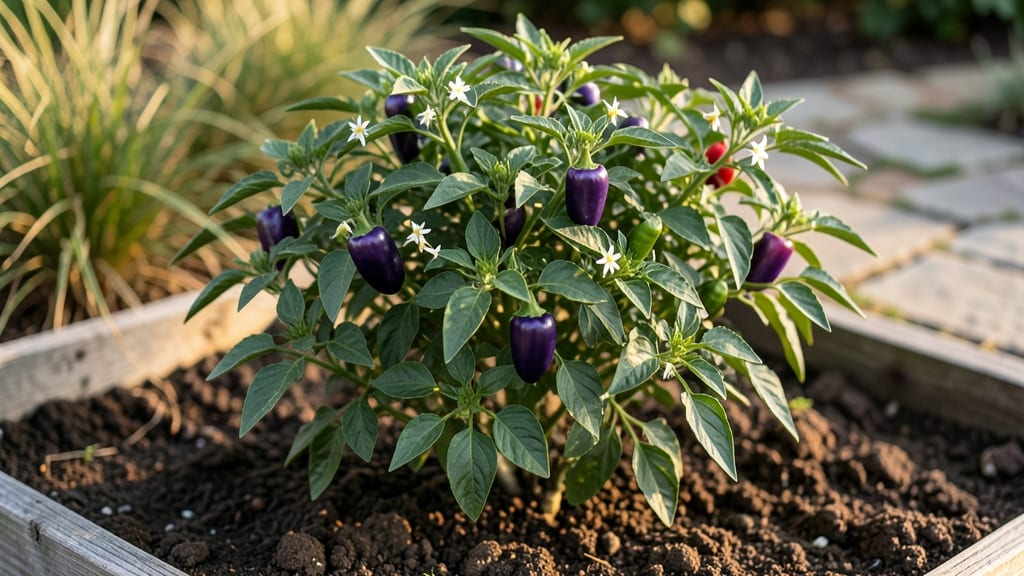
Growing a purple jalapeño pepper plant turns your patio into a mini spice factory with striking color and just the right kick. 🌿 I’ve grown these beauties in containers for three seasons, and they’re far more dramatic than their green cousins—plus, the flavor has a subtle sweetness that surprises even seasoned gardeners.
The secret to their vibrant hue lies in the soil: rich, well-draining mixes with a touch of compost keep the peppers popping with color. They thrive in full sun (6+ hours daily) and need pots at least 5 gallons—any smaller, and the roots get cramped.
Water consistently but avoid soggy soil, which turns peppers bitter. By midsummer, you’ll be harvesting clusters of deep purple peppers that pack half the heat of green jalapeños, perfect for fresh salsas or pickling. The plants stay compact, making them ideal for balconies or small gardens.
Just watch for aphids—they love these too. If your peppers stay green, it’s likely too much shade; move them closer to sunlight. And yes, they do turn green when cooked—another fun trick to impress dinner guests!
📚 In This Guide
- What you need
- Instructions
- Tips and common mistakes
- Wrapping up and next steps
What you need
- ● Purple Jalapeño Seeds or Seedlings: 1–3 plants (check for heirloom or purple varieties like 'Purple Jalapeño' or 'Purple Ghost').
- ● Containers: 1–3 large pots (minimum 5-gallon capacity, with drainage holes). Use lightweight materials like fabric grow bags or terracotta.
- ● High-Quality Potting Mix: 1–2 bags (sterile, well-draining mix with perlite or vermiculite). Avoid garden soil.
- ● Balanced Fertilizer: 1–2 applications of a 10-10-10 or 5-5-5 NPK fertilizer (organic or synthetic).
- ○ Slow-Release Fertilizer Pellets: Optional but helpful for steady nutrition.
- ● Trowel or Small Shovel: For planting and soil adjustments.
- ● Watering Can or Hose with Gentle Nozzle: Avoid overwatering—containers dry faster!
- ○ pH Test Kit: Optional but useful (ideal pH: 6.0–7.0).
- ● Pruning Shears: For trimming excess foliage or shaping the plant.
- ● Support Stakes or Cage: 1–2 per plant (peppers grow bushy and may need support).
- ○ Mulch (Optional): Straw or shredded leaves to retain moisture and regulate temperature.
- ● Sunlight: Full sun (6–8 hours daily). South-facing windows or a sunny balcony works for containers.
- ● Temperature: Warmth is key! Keep soil temps above 60°F (15°C) for germination.
- ○ Humidity (Optional): A humidity tray or misting spray can help in dry climates.
Step-by-step guide to growing purple jalapeño peppers in containers
Ready to grow these stunning peppers? Here's how I grow vibrant, productive plants in pots.
🌱 Step 1: Choose the Right Containers and Soil Mix
Start with containers that are at least 12 inches deep and have drainage holes—purple jalapeños need room for strong roots and hate soggy feet. I use 5-gallon fabric pots for each plant since they allow excess water to evaporate through the sides. Fill each container with a mix of 60% potting soil, 30% perlite, and 10% compost to ensure excellent drainage while retaining moisture.
Don't compact the soil when filling the pots—just fluff it up so it's light and airy. The goal is to mimic the loose, well-draining conditions these peppers thrive in. I always add a handful of slow-release fertilizer to the bottom layer to give the plants a nutrient boost right from the start.
☀️ Step 2: Plant Seeds or Transplants at the Right Time
Sow seeds indoors 8-10 weeks before your last frost date, or buy healthy transplants from a nursery. If starting from seed, plant 2-3 seeds per pot at a depth of ¼ inch—they need light to germinate, so don't bury them too deep. Keep the soil consistently moist at 75-85°F until germination, which typically takes 7-14 days.
Once seedlings reach 3-4 inches tall and have their first true leaves, thin to the strongest plant per pot. If you're transplanting, choose plants with thick stems and dark green leaves—avoid leggy or pale ones, as they'll struggle to recover. Harden off seedlings by placing them outside for 1-2 hours daily over 7-10 days before moving them to their final container.
💧 Step 3: Provide Consistent Water and Sunlight
Purple jalapeños need 6-8 hours of direct sunlight daily, so place your containers in a spot that gets plenty of morning sun. If growing indoors, use a grow light to supplement natural light. Water deeply when the top inch of soil feels dry, but avoid letting the soil stay soggy—these peppers are drought-tolerant once established, so it's better to underwater slightly than overwater.
I like to water in the morning so the plants have time to dry out during the day. You'll notice the leaves perk up after watering—that's your sign the plant is happy. Once flowers appear, increase watering slightly to support fruit development, but never let the soil become waterlogged.
✂️ Step 4: Fertilize and Prune for Maximum Yield
Feed your plants every 4-6 weeks with a balanced, water-soluble fertilizer (like 10-10-10) diluted to half strength. Purple jalapeños are heavy feeders, so don't skimp on nutrients. You'll see stronger growth and more vibrant purple hues when the plants are well-fed.
Prune suckers (the small shoots that grow in the leaf axils) to encourage bushier growth and more peppers. I also pinch off the first few flowers to let the plant focus on leafy growth first—this leads to a bigger harvest later. Watch for any yellowing leaves, which could signal overwatering or nutrient deficiency, and adjust care accordingly.
🌿 Step 5: Harvest and Enjoy Your Purple Jalapeños
Harvest peppers when they're 3-5 inches long and still firm for the best flavor. Use pruning shears to cut the peppers from the plant, leaving a small stem attached. Purple jalapeños turn green when ripe but retain their mild heat—you can leave them on the plant to ripen fully if you prefer a sweeter taste.
To encourage more production, pinch off any peppers that turn red or overly ripe, as this signals the plant to stop flowering. With proper care, you'll get a steady harvest all season long. Store fresh peppers in the fridge for up to 2 weeks or dry them for long-term storage.
Tips & tricks for perfect purple jalapeño pepper plants
Here's what nobody tells you about growing these stunning purple peppers in containers.
Container Depth Matters: Those 12-inch deep containers aren't just a suggestion—they're essential. Purple jalapeños develop deep root systems, and shallower pots will stunt their growth. If you're using fabric pots, make sure they're at least 5 gallons each to give roots room to spread. The extra depth also helps prevent root rot by allowing excess water to drain completely through the sides.
Soil Mix Secrets: The 60-30-10 ratio of potting soil, perlite, and compost is perfect for drainage while retaining moisture. Pro tip: Add a thin layer of coarse sand or small gravel at the bottom of your container before adding soil. This creates an extra drainage layer that prevents water from pooling at the roots. I've seen plants struggle when this step is skipped!
Germination Temperature Tip: Maintaining that 75-85°F soil temperature during germination makes all the difference. If your home runs cooler, consider using a seedling heat mat or placing your seed trays on top of your fridge. The warm soil helps seeds germinate faster and more uniformly. I've had batches take 2 weeks instead of 7 days just by keeping them warm!
Sunlight Strategy: While 6-8 hours of direct sunlight is ideal, morning sun is most important. Position your containers to get sunlight from the east side of your space first. If growing indoors, supplement with grow lights for at least 12 hours daily. I notice a significant difference in plant health when they get consistent morning light versus just afternoon sun.
Pro Tips for Purple Jalapeno Pepper Plant
- Here's what nobody tells you about growing these stunning purple peppers in containers.
- Container Depth Matters: Those 12-inch deep containers aren't just a suggestion—they're essential. Purple jalapeños d...
- Soil Mix Secrets: The 60-30-10 ratio of potting soil, perlite, and compost is perfect for drainage while retaining mo...
Frequently asked questions
Got questions about growing or using purple jalapeño pepper plants? You’re not alone! Here are answers to the most common queries—from planting to harvest—to help you succeed with this stunning (and tasty!) variety.
How long does it take for a purple jalapeño plant to produce peppers?
A purple jalapeño plant typically takes 60–90 days from transplanting to produce its first peppers, assuming you start seeds indoors 8–10 weeks before the last frost. Warmth and consistent sunlight (6+ hours/day) speed up fruiting. Pro tip: Prune early flowers to encourage stronger root growth and bigger yields later!
Can purple jalapeños survive frost?
Nope! Purple jalapeños are tender perennials that die in frost (<32°F/0°C). If you’re in a cold climate, start seeds indoors, transplant after the last frost, and bring pots inside before winter. In containers, move them to a sunny porch or garage. Pro tip: Use row covers for early-season protection!
Are purple jalapeños hotter than green ones?
Not at all! The color change from green to purple is purely cosmetic—it’s due to anthocyanins (the same pigments in blueberries). Heat levels (2,500–8,000 Scoville units) stay identical. The purple hue just adds a vibrant twist to dishes!
What’s the best container size for growing purple jalapeños?
Aim for a 5-gallon pot or larger (18–24 inches deep) to accommodate the plant’s roots and support 1–2 feet of growth. Ensure drainage holes are present and use a lightweight potting mix. Pro tip: Add a time-release fertilizer at planting for steady nutrition!
What can I do if my purple jalapeño plant isn’t flowering?
Lack of flowers? Check these fixes:
- Light: Move to a sunnier spot (6+ hours of direct sun).
- Heat: Purple jalapeños need warm soil (70°F+/21°C+). Use a heat mat if needed.
- Fertilizer: Switch to a low-nitrogen, high-phosphorus feed (like 5-10-10) to boost blooms.
- Water: Keep soil consistently moist but not soggy.
Can I save seeds from purple jalapeños for next year?
Yes! Harvest mature peppers, scoop out seeds (rinse and dry them), and store in a cool, dark place. Note: Purple jalapeños may revert to green if seeds aren’t fully mature. For true purple, select the darkest peppers for seed saving. Pro tip: Label seeds with the harvest date!
Wrapping up and next steps
Growing a purple jalapeño pepper plant is a rewarding journey that brings vibrant color and mild heat to your garden—or even your kitchen! 🌿 With the right container, sunlight, and care, you can enjoy a bountiful harvest of these unique peppers, perfect for adding a pop of color and a subtle kick to your dishes.
Whether you're a seasoned gardener or just starting out, this plant is a fun and flavorful addition to any space.
Now that you’re armed with all the tips and tricks, it’s time to roll up your sleeves and get planting! Start small—choose a sunny spot, grab your supplies, and watch your purple jalapeños thrive. Happy gardening, and may your harvest be plentiful and delicious! 🌱✨