
Picking
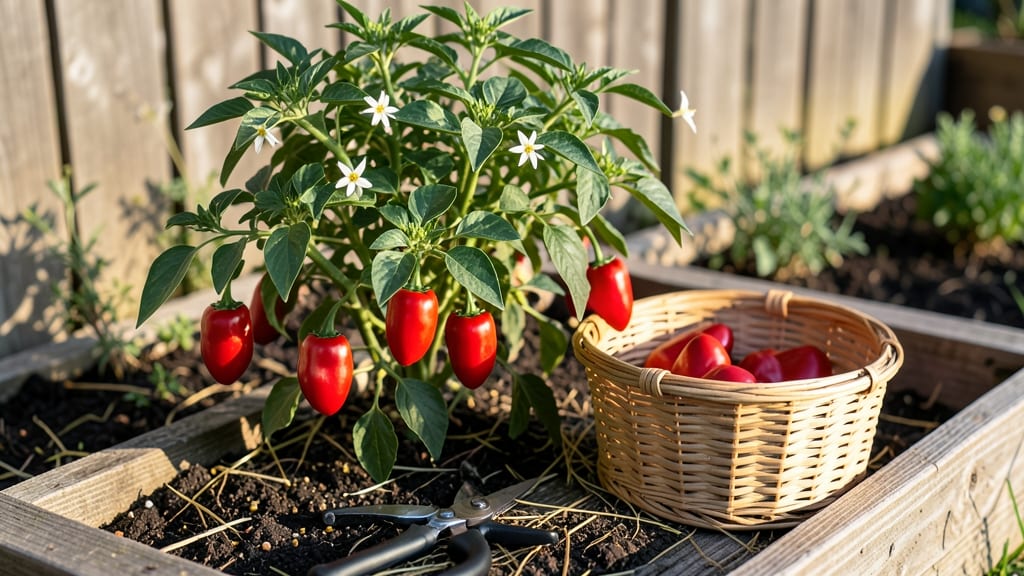
Growing red jalapeño peppers is about transforming a small plot into a spicy-sweet harvest in just 60 days. 🌶️ I’ve grown them for years, and the key isn’t just patience—it’s mastering the right balance of heat, light, and soil.
These peppers aren’t fussy, but they do demand consistency, especially when it comes to water and temperature. The secret to vibrant red fruit (not the standard green) lies in letting them ripen fully on the plant—something many gardeners rush.
You’ll need well-draining soil, full sun, and a sturdy trellis to train their vines upward. Skip the trellis, and you’ll end up with sprawling plants and fewer peppers. By mid-summer, you’ll be harvesting bright red, finger-length peppers with a sweet-spicy kick—perfect for salsas, pickling, or fresh snacking.
The first harvest is always the most exciting, but the real reward comes when you taste the difference between homegrown and store-bought. Troubleshooting is simple: blossom end rot? Check your calcium. Heat stress? Provide afternoon shade.
And yes, red jalapeños do take longer to ripen than green ones—but the flavor is worth the wait.
📚 In This Guide
- What you need
- Instructions
- Tips and common mistakes
- Wrapping up and next steps
What you need
- ● Red jalapeño seeds: 5–10 seeds (or 3–5 seedlings if starting with transplants). Look for heirloom or hybrid varieties labeled for hot peppers.
- ● Containers or garden bed: Containers: 5-gallon pots (1 per plant) with drainage holes, or fabric grow bags.
- ● Garden bed: Full sun (6+ hours/day), well-draining soil, and space 18–24 inches apart.
- ● High-quality potting mix: 10–15 lbs (for containers) or amend garden soil with compost (5 lbs per sq. ft.).
- ● Fertilizer: Balanced organic fertilizer (10-10-10 or similar) or compost tea for a nutrient boost.
- ● Watering can or hose with gentle nozzle: Peppers hate soggy roots—aim for 1–1.5 inches of water per week.
- ○ Trellis or stakes (optional but recommended): Pole-trained jalapeños grow taller! Use 5–6 ft bamboo stakes or a tomato cage per plant.
- ● Gloves: Protect your hands—jalapeños pack a punch! 🌶️
- ● Pruning shears: For trimming suckers and shaping plants.
- ○ pH test kit (optional): Ideal soil pH: 6.0–7.0. Adjust with lime or sulfur if needed.
- ○ Row cover or shade cloth (optional): For early planting or protection from pests.
- ● Harvesting tools: Sharp knife or pruners for clean cuts.
Step-by-Step guide to growing red jalapeño peppers
Here's how I grow fiery-sweet red jalapeños that climb, thrive, and produce all season long.
🌱 Step 1: Start Seeds Indoors for Early Production
Plant seeds 8-10 weeks before your last frost date in 2-3 inch pots filled with seed-starting mix. I press each seed ¼ inch deep—any deeper and they'll struggle to emerge. Cover lightly with additional mix and mist gently until evenly moist. The soil should feel like a wrung-out sponge: damp but not soggy.
Place pots in a warm spot (75-85°F) under a grow light or on a seedling heat mat. Without extra warmth, germination can take 14-21 days instead of the usual 7-10 days. I use a humidity dome to lock in moisture, but remove it immediately once sprouts appear—condensation on leaves invites damping-off disease.
☀️ Step 2: Harden Off and Transplant Pole-Trained Plants
When seedlings develop 3-4 true leaves (not just the initial cotyledons), begin hardening them off. Start with 1 hour daily in indirect sunlight, gradually increasing to full sun exposure over 7-10 days. This toughens stems so they can handle outdoor conditions without shock.
Transplant outdoors after all danger of frost has passed, spacing plants 18-24 inches apart along a sturdy trellis. Bury the stem slightly deeper than in the pot—this encourages stronger root development. Water deeply at the base immediately after planting to settle soil around roots and reduce transplant stress.
💧 Step 3: Train Vines and Maintain Consistent Care
As vines grow, gently weave them up the trellis, securing with soft plant ties every 12-18 inches. This vertical growth maximizes space and improves air circulation, reducing disease risk. Prune suckers (small shoots forming in leaf axils) to direct energy toward fruit production rather than foliage.
Water at the base 1-2 inches deep when the top inch of soil feels dry. Avoid wetting leaves to prevent fungal issues. Feed every 2-3 weeks with a balanced fertilizer (10-10-10) diluted to half-strength. You'll see the difference in fruit color and size within a month of consistent feeding.
✂️ Step 4: Harvest and Encourage Continuous Production
Harvest jalapeños when they reach 3-4 inches long and turn red for maximum sweetness. Use pruning shears to cut stems cleanly, leaving a small portion attached to encourage more fruit to form. I harvest every 2-3 days during peak production—this prevents overcrowding and keeps plants focused on new growth.
Remove any yellowing or diseased leaves immediately to maintain plant health. As temperatures drop below 50°F in fall, protect plants with row covers or move containers indoors. With proper care, your trellis-trained jalapeños will produce fruit for 60-90 days after transplanting.
Tips & tricks for pole-trained red jalapeños
A few insights that'll help you coax the most vibrant, productive jalapeño plants from your seeds.
Seed Starting Success: In Step 1, when pressing seeds ¼ inch deep, use a pencil to make a small hole first—this ensures consistent depth and prevents over-planting. For faster germination, soak seeds overnight in warm water before planting, but don't let them dry out after. I've found that pre-soaked seeds sprout in 5-7 days even without a heat mat, saving you the extra equipment cost.
Harden Off Strategically: During the 7-10 day hardening process in Step 2, I recommend starting with morning sun only for the first 2-3 days. This gradual exposure prevents shock while still building plant resilience. Watch for leaves that look slightly wilted—they're telling you to slow down the sun exposure that day.
Trellis Training Pro Tip: When securing vines every 12-18 inches in Step 3, use soft plant ties that can stretch as the vines grow. I've ruined several harvests by using ties that cut into stems as plants thickened. Also, train the main stem first—let it climb straight up before weaving side branches. This creates a stronger central structure that supports more fruit.
Fertilizer Timing: In Step 3, when feeding every 2-3 weeks, alternate between balanced fertilizer and compost tea. The compost tea provides micronutrients that balanced fertilizer alone might miss, especially during the 60-90 day production window. Always water before fertilizing to prevent root burn.
Pro Tips for Red Jalapeno Peppers
- A few insights that'll help you coax the most vibrant, productive jalapeño plants from your seeds.
- Seed Starting Success: In Step 1, when pressing seeds ¼ inch deep, use a pencil to make a small hole first—this ensures consistent depth and prevents over-planting.
- Harden Off Strategically: During the 7-10 day hardening process in Step 2, I recommend starting with morning sun only for the first 2-3 days.
Frequently asked questions
Got questions about growing, harvesting, or using red jalapeño peppers? You’re not alone! Here are the answers to the most common queries—so you can spice up your garden (and meals) with confidence.
How long does it take for red jalapeño peppers to mature after planting?
Red jalapeños typically take 60–75 days from transplanting to reach maturity (when they turn deep red). Start seeds indoors 8–10 weeks before your last frost for a summer harvest. Patience pays off—those vibrant peppers are worth the wait!
Why are my jalapeño peppers turning red but staying small?
Small red jalapeños often mean lack of sunlight, nutrients, or water. Ensure they get 6+ hours of sun daily and feed with a balanced fertilizer (like 10-10-10) every 3–4 weeks. Prune excess foliage to boost airflow and fruit size.
Can I harvest green jalapeños and let them turn red later?
Yes! Harvest green jalapeños when firm (about 50–60 days), then store them in a cool, dark place (55–60°F) for 1–2 weeks. They’ll slowly ripen to red. For faster results, place them in a paper bag with a ripe banana (ethylene gas speeds ripening!).
What’s the difference between green and red jalapeños?
Green jalapeños are harvested early and pack a sharper, grassier heat (2,500–8,000 SHU). Red jalapeños are fully ripe, sweeter, and slightly milder (2,500–5,000 SHU). The color change signals higher sugar content—perfect for salsas, pickling, or roasting!
What can I substitute if I can’t find red jalapeños?
Need a swap? Try:
- Red Fresno peppers (similar heat, sweeter)
- Red cherry peppers (milder, 0–1,000 SHU)
- Red banana peppers (sweeter, less spicy)
- Dried arbol chiles (for a smoky kick; rehydrate first!)
Are red jalapeños safe for everyone to eat?
While red jalapeños are generally safe, their capsaicin content can trigger heartburn, allergies, or digestive issues in some people. If you’re pregnant, have acid reflux, or have sensitive skin, start with small amounts. Always wash hands after handling to avoid skin irritation!
Wrapping up and next steps
Growing your own red jalapeño peppers is a rewarding journey—packed with spice, flavor, and the joy of homegrown harvests! 🌶️ With just 60 days, you can transform tiny seeds into fiery, sweet rewards, perfect for salsas, sauces, or bold dishes.
Whether you're a seasoned gardener or a curious beginner, these peppers prove that big flavors start with small steps.
Ready to spice up your garden? Start by gathering your supplies, choosing the right variety, and giving your plants the love they need. Then, watch as your pole-trained jalapeños flourish—one fiery harvest at a time! 🌱