
Pruning
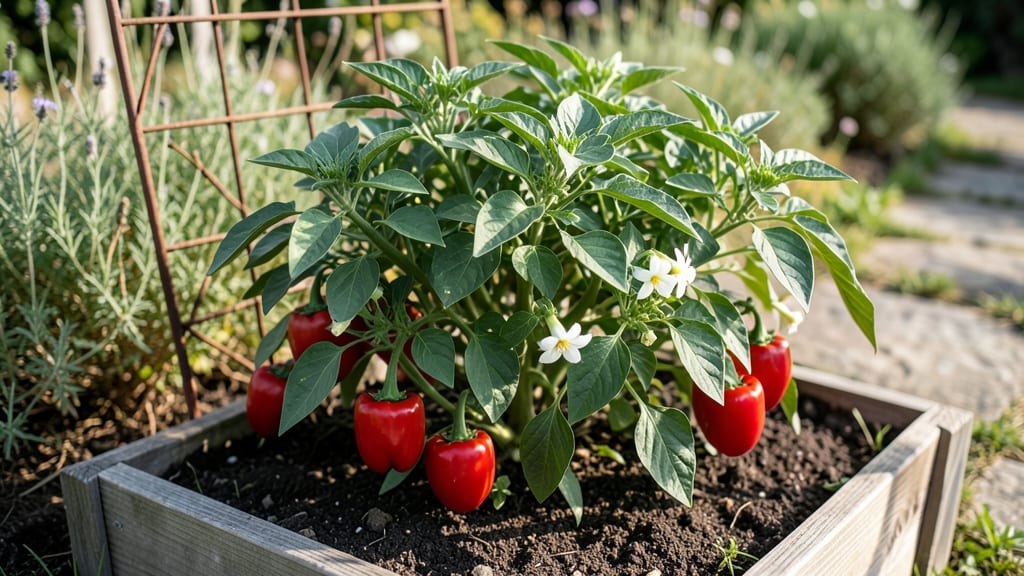
Growing a red pepper tree—whether it's the fiery Capsicum annuum or the fragrant Schinus terebinthifolius—is like having a tiny spice factory in your backyard. 🌱 I’ve watched mine grow from a single cutting into a lush, productive vertical garden, and the key is treating it like the tropical plant it is: warm, bright, and well-loved.
The first year is all about getting the soil, light, and watering right, and by summer, you’ll be harvesting peppers (or crimson berries, if you’re growing the ornamental kind) that outshine anything at the store.
These plants thrive in full sun (at least 6-8 hours daily) and well-draining soil, whether in containers or planted in the ground—just avoid soggy roots. If you’re in a cooler climate, treat it as an annual or bring it indoors before frost.
My Schinus tree, for example, lives in a 15-gallon pot on my deck all summer and comes inside when temps dip below 50°F, where it keeps producing those bright red berries year-round. The secret? Pruning regularly to encourage bushier growth and more fruit.
By midsummer, your pepper tree will be a vertical spice garden—whether it’s dangling chilis or clusters of ornamental berries. The scent alone is enough to draw hummingbirds and neighbors over for a closer look.
With the right care, you’ll have peppers (or berries) for months, and the plant will keep growing taller and fuller each season. The best part? It’s compact enough for patios, balconies, or even a sunny windowsill if you’re short on space.
Here’s the thing—these plants are forgiving, but they do need consistency. Too much water? Yellow leaves. Not enough sun? Leggy growth. But once you nail the basics, your red pepper tree becomes the star of your garden, producing harvest after harvest with almost no effort. Let’s get yours thriving!
📚 In This Guide
- What you need
- Instructions
- Tips and common mistakes
- Wrapping up and next steps
What you need
- ● Red pepper tree plant: Start with a healthy seedling or a young tree (3–6 months old) from a nursery or online spice supplier.
- ● Vertical garden system: Wall-mounted planter (12–18 inches deep, adjustable shelves)
- ● OR a sturdy trellis (6+ feet tall) with strong ties for climbing varieties
- ● Potting mix: Well-draining, organic blend (e.g., 60% coco coir, 30% perlite, 10% compost). ~5 gallons per plant.
- ● Pruning tools: Bypass pruners (sharp, sterilized)
- ● Hand pruners (for smaller branches)
- ● Loppers (for thicker stems, if needed)
- ● Support materials: Soft plant ties or twistable garden twine
- ● Small stakes (for young plants)
- ● Gloves: Heavy-duty gardening gloves (to protect from thorns/spines).
- ● Watering can or hose: With a gentle spray nozzle (red peppers hate soggy roots!).
- ● Fertilizer: Balanced liquid fertilizer (10-10-10 or organic options like fish emulsion). Apply every 4–6 weeks.
- ● Mulch: Organic mulch (e.g., straw or shredded leaves) to retain moisture.
- ○ Optional (but helpful!): Grow lights (for indoor setups)
- ● Humidity tray (if growing indoors)
- ● Pruning sealant (to prevent disease after cuts)
- ● A sunny spot! 6+ hours of direct sunlight daily (south-facing window or outdoor space).
- ● Knowledge of basic pruning techniques (or willingness to learn—we’ve got guides for that!).
- ● Patience! Red pepper trees take 3–6 months to bear fruit after planting.
Step-by-Step instructions for cultivating a red pepper tree
Here’s how to transform your small space into a thriving vertical spice garden using this compact, high-yielding perennial.
🌱 Step 1: Select and Prepare Your Container
Choose a 12-15 inch diameter pot with drainage holes—red pepper trees need room for roots but also excellent airflow. I opt for terra cotta because it wicks moisture away, preventing the soggy soil that rots roots. Fill the bottom third with coarse gravel to create a drainage layer that keeps water moving.
Use a well-draining potting mix blended with 20% perlite or orchid bark—this mimics the airy soil of their tropical origins. Avoid garden soil; it compacts and suffocates roots. Moisten the mix until it’s damp but not dripping, then let it sit for 10 minutes to settle before planting.
☀️ Step 2: Plant Your Red Pepper Tree with Proper Spacing
Dig a hole twice as wide as the root ball but only as deep as the container’s original soil line. Gently remove your tree from its nursery pot and loosen any circling roots with your fingers—this encourages outward growth. Place the tree in the hole, then backfill with the prepared mix, pressing lightly to eliminate air pockets.
Water deeply right after planting to help the soil settle around the roots. The first 24 hours are critical—keep the pot in a shaded, humid spot (like a bathroom with a window) to reduce transplant shock. You’ll know it’s taking root when new leaves appear after 7-10 days.
💧 Step 3: Master Watering and Humidity for Year-Round Growth
Red pepper trees thrive on consistent moisture but hate soggy feet. Water when the top 1-2 inches of soil feel dry—stick your finger in to check. In summer, this might mean every 2-3 days; in winter, stretch it to once a week. Always water at the base to avoid wetting leaves, which invites fungal diseases.
Mist the foliage daily in dry climates or place the pot on a pebble tray filled with water to boost humidity. Aim for 50-70% humidity—you’ll see the leaves perk up and new growth spurt within a week. A hygrometer helps track this, but if you don’t have one, watch for crispy leaf edges (too dry) or yellowing (overwatered).
✂️ Step 4: Prune and Train for Vertical Growth
Prune in early spring to shape your tree and encourage bushier growth. Cut back 1/3 of the oldest stems to the nearest leaf node, and trim any leggy branches to 6-8 inches from the base. This redirect energy to new shoots. I also pinch off the first few flower buds—wait until the tree has 8-10 leaves before letting it fruit, or you’ll end up with small, underdeveloped peppers.
Train the tree vertically by tying the main stem to a bamboo stake or trellis. As it grows, weave side branches through the structure to create a lush, layered look. Prune again in late summer to remove any dead or crossing branches—this keeps airflow strong and prevents disease. You’ll notice the tree fills out faster and produces more peppers when pruned this way.
🪴 Step 5: Fertilize and Overwinter for Continuous Harvests
Feed your tree every 4-6 weeks during growing season with a balanced liquid fertilizer (10-10-10 or 20-20-20). Dilute to half-strength to avoid burning roots, and water the soil first to prevent salt buildup. In fall, switch to a low-nitrogen, high-phosphorus fertilizer (like 5-10-10) to support root development and flower production for next year’s crop.
Overwintering is key for long-term health. Move the tree indoors near a south-facing window or under grow lights (12-14 hours daily). Reduce watering to every 10-14 days and stop fertilizing entirely. If you notice leaves dropping, it’s normal—just adjust light or humidity. With proper care, your tree will reward you with year-round peppers and lush growth.
Tips & tricks for perfect red pepper tree cultivation
Between us, these tricks will help you avoid the common pitfalls that turn promising starts into disappointing failures.
Container Selection: The 12-15 inch diameter pot isn't just about size—it's about material. Terra cotta may dry out faster in winter, so consider wrapping the pot with bubble wrap during cold months to maintain root temperature. For apartment balconies, choose pots with built-in saucers to capture drainage and prevent water damage to surfaces below. This small detail keeps your space tidy while protecting your investment.
Root Care: In Step 1, that 10-minute settling time for your potting mix is non-negotiable. I've seen too many growers rush this step, only to discover compacted soil later that suffocates roots. Pro tip: Add a handful of worm castings to your mix—they improve aeration and provide gentle nutrients. The roots will thank you with vigorous growth within those critical 7-10 days after planting.
Humidity Hack: For the 50-70% humidity range mentioned in Step 3, try this: Place your pepper tree pot on a bed of damp sphagnum moss instead of just pebbles. The moss holds more moisture and releases it gradually, creating a more stable microclimate. In dry climates, I've seen this method extend the time between mistings from daily to every other day while maintaining leaf health.
Pruning Strategy: When you're pinching those first flower buds in Step 4, wait until you see at least 8-10 leaves with vibrant green color—not just size. I've learned this the hard way—removing buds too early can stress the tree and lead to stunted growth. The 6-8 inch trim for leggy branches should be done at a 45-degree angle to prevent water from pooling at the cut, which can cause rot.
Pro Tips for Red Pepper Tree
- Between us, these tricks will help you avoid the common pitfalls that turn promising starts into disappointing failures.
- Container Selection: The 12-15 inch diameter pot isn't just about size—it's about material.
- Root Care: In Step 1, that 10-minute settling time for your potting mix is non-negotiable.
Frequently asked questions
Got questions about growing your own red pepper tree? Here are some of the most common ones—plus quick, actionable answers to help you cultivate a thriving vertical spice garden!
How long does it take for a red pepper tree to bear fruit?
A Capsicum annuum (like the red pepper tree) typically takes 60–90 days from transplanting to produce peppers, assuming it gets full sun (6+ hours/day) and warm temperatures (70°F+). Dwarf varieties may fruit faster (45–60 days), while heirlooms can take longer. Pro tip: Use grow lights in early stages to speed things up!
Can I grow a red pepper tree indoors year-round?
Yes! With the right setup, your red pepper tree can thrive indoors. Place it near a south-facing window or under LED grow lights (12–16 hours/day). Keep temps between 70–85°F and use a self-watering planter to avoid root rot. Just watch for pests like spider mites—mist leaves weekly to deter them!
What’s the best alternative if my red pepper tree isn’t fruiting?
If your tree is leafy but no peppers, try these fixes:
- Check light: Move to a sunnier spot or add grow lights.
- Adjust temps: Keep nights above 60°F (peppers need warmth to pollinate).
- Hand-pollinate: Gently shake flowers or use a paintbrush to transfer pollen.
- Fertilize: Switch to a low-nitrogen, high-phosphorus feed (like 5-10-10) to encourage blooms.
How and when should I prune my red pepper tree for vertical growth?
Prune in early spring (before new growth) to shape your tree and encourage bushier growth:
- Use clean, sharp shears to trim 1/3 of the oldest stems to promote new branches.
- Remove yellow leaves or dead flowers regularly to redirect energy to fruiting.
- For vertical training, tie main stems to a trellis or stakes as they grow (use soft ties!).
What pests should I watch for on my red pepper tree?
Common pests include:
- Aphids (sticky leaves) – Spray with soapy water or introduce ladybugs.
- Spider mites (tiny webs) – Increase humidity with a pebble tray or neem oil.
- Whiteflies (white specks) – Use yellow sticky traps near the plant.
Wrapping up and next steps
Growing a red pepper tree in your vertical garden isn’t just about saving space—it’s about bringing bold flavors and vibrant greenery to your home! 🌱 With the right pruning techniques, you’ll enjoy a bountiful harvest while keeping your plant healthy and compact.
Whether you’re a seasoned gardener or just starting out, this guide gives you all the tools to succeed.
Ready to transform your small space into a thriving spice garden? Start by planting your seedling today—your first harvest could be just a few months away! For extra inspiration, explore creative ways to display your vertical garden or experiment with other heat-loving plants like chili peppers or herbs.