
Planting
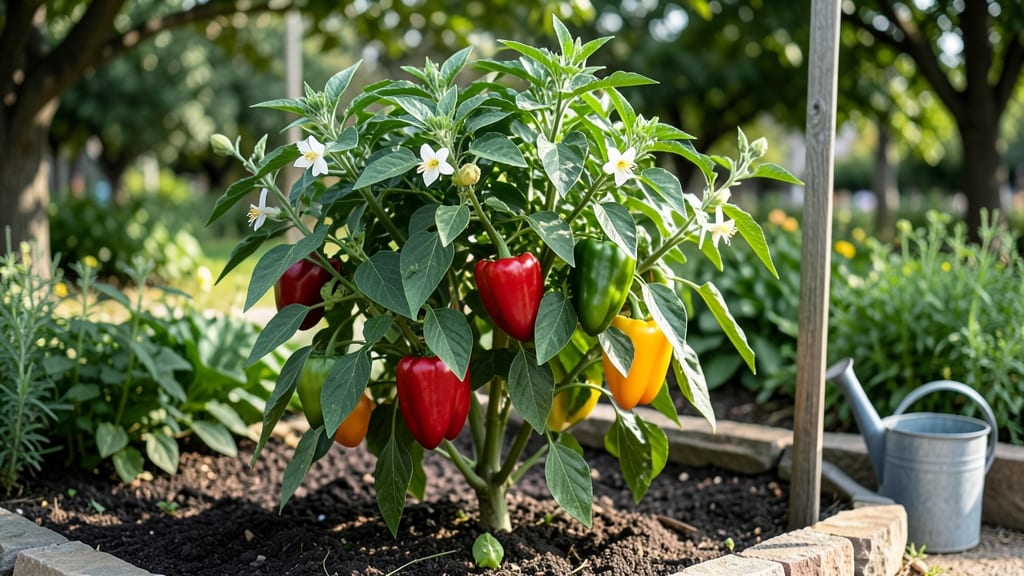
Transform your patio into a spicy powerhouse by cultivating the santa fe grande pepper plant. These compact, heat-tolerant giants pack 3-inch-long fruit with smoky, fruity heat—perfect for small gardens where space is tight.
I’ve grown them in 5-gallon pots on my balcony, and they’ve outproduced larger plants in my ground beds. The secret lies in their vertical growth habit and love for full sun (6+ hours daily).
They thrive in well-draining soil with a pH of 6.0-7.0, and their drought tolerance means you won’t babysit them daily. Just keep the soil slightly moist during fruiting, and watch those peppers turn from green to deep red.
By midsummer, you’ll be harvesting 50+ peppers per plant, each one a flavor bomb. The smoky-sweet heat builds gradually, making them ideal for sauces, salsas, or fresh eating. Prune suckers early to focus energy on fruit production, and stake them if they top-heavy.
Even in hot climates like Santa Fe (where they originated), they handle 100°F+ temps better than most varieties. Just watch for aphids on new growth—neem oil does the trick if they show up. Ready to grow your own heat?
📚 In This Guide
- What you need
- Instructions
- Tips and common mistakes
- Wrapping up and next steps
What you need
- ● Santa Fe Grande pepper seeds or seedlings: 3–5 plants (for a small harvest) or 5–10 (for a larger yield). Choose organic, heirloom seeds for the best flavor and heat.
- ● Containers or garden bed: Containers: 5–10 gallon pots (1 per plant) with drainage holes. Fabric grow bags or plastic pots work well.
- ● Garden bed: A sunny spot with well-draining soil (6+ hours of sunlight daily). Amend soil with compost if needed.
- ● High-quality potting mix: 1–2 bags of organic, well-draining soil (e.g., miracle-gro potting mix or a cactus/succulent blend with perlite).
- ● Fertilizer: Balanced fertilizer (10-10-10 or 5-5-5): 1–2 applications during the growing season.
- ● Organic options: Compost tea, fish emulsion, or worm castings for a nutrient boost.
- ○ Support structure (optional but recommended): Cages or stakes: 3–4 ft tall (for indeterminate varieties).
- ● Trellis or tomato cages: To encourage vertical growth and improve air circulation.
- ● Hand trowel or small shovel: For planting and soil amendments.
- ● Watering can or hose with a gentle spray nozzle: Peppers hate soggy roots—water deeply but infrequently.
- ● Pruning shears: To trim excess foliage and encourage fruit production.
- ○ Gloves (optional): Protect your hands from thorns and spicy residue!
- ● Mulch (straw or shredded leaves): Helps retain moisture and regulate soil temperature.
- ○ pH test kit (optional): Aim for a soil pH of 6.0–7.0 for optimal growth.
- ● Last frost date: Wait until after the last frost in your area (Santa Fe Grandes thrive in warmth—plant when soil is at least 60°F (15°C)).
- ● Sunlight access: Ensure your garden spot gets full sun (6+ hours/day).
- ● Patience: Santa Fe Grandes take 75–90 days to mature—plan accordingly!
Step-by-Step instructions for growing Santa Fe Grande peppers vertically
Here's how to turn your small space into a fiery pepper powerhouse using vertical growing techniques.
Choose the Right Container and Soil Mix
Santa Fe Grande peppers need room to spread but thrive vertically, so start with a 5-gallon fabric grow bag or 18-inch deep container with drainage holes. These peppers grow 3-4 feet tall but can sprawl 2-3 feet wide—containers this size prevent root crowding while keeping them manageable. Fill the bottom third with organic compost to encourage strong root development, then top with cactus/succulent mix for excellent drainage.
Mix in 1 cup of perlite per container to prevent compaction, which is critical for peppers that hate soggy roots. The soil should feel like a damp sponge when squeezed—if water drips out, it's too wet. I always add 1 tablespoon of balanced fertilizer (10-10-10) to the bottom layer to give those early roots a nutrient boost.
Plant and Support Your Pepper
Plant your Santa Fe Grande pepper seedlings at the same depth they were in their nursery pots, which usually means burying them until the first set of true leaves is just below soil level. This encourages stronger root growth. Immediately install a 5-foot tall trellis or tomato cage in the center of the container—peppers will climb naturally if given support.
Space your plants 12-18 inches apart if growing multiple in one container. I like to use soft plant ties to gently secure the main stem to the trellis as it grows, preventing wind damage. The first few days are critical—keep the soil consistently moist but not soggy, and place the container in full sun (6+ hours daily) to prevent transplant shock.
☀️ Step 3: Provide Optimal Heat and Light
Santa Fe Grandes love heat—ideal daytime temperatures should stay between 75-90°F. If your mornings dip below 60°F, move containers to a sheltered spot or use black plastic mulch around the base to absorb and radiate warmth. These peppers also need full sun exposure—place them in the southernmost part of your garden or under grow lights for 14-16 hours daily if indoors.
You'll notice the plants start stretching toward light within a week—that's normal. If stems grow long and leggy, your light isn't intense enough. Rotate the container quarter-turn daily to ensure even growth. Prune any leaves that shade lower fruit by 20% to improve air circulation, which prevents fungal issues.
💧 Step 4: Water and Fertilize for Maximum Heat
Water deeply 1-2 times weekly, soaking the soil until it drains from the bottom. Santa Fe Grandes are drought-tolerant once established, but consistent moisture during fruiting (6-8 weeks after flowering) is key to developing their signature thick, meaty walls. Check soil moisture by sticking your finger 2 inches deep—water when it feels dry but not powdery.
Feed every 4-6 weeks with liquid fertilizer (20-20-20) mixed at half-strength to avoid burning roots. I switch to low-nitrogen, high-phosphorus (5-10-10) once flowers appear to encourage fruiting. Avoid wetting leaves when watering—this reduces disease risk and helps peppers ripen faster in hot climates.
✂️ Step 5: Prune and Harvest for Continuous Production
Prune side shoots (suckers) that grow in the leaf axils to direct energy into main stems and fruit. Leave 1-2 strong side branches near the top for extra yield. You'll see flowers form in 6-8 weeks—remove any that appear before the 5th leaf set to encourage stronger plants. Once peppers form, harvest every 7-10 days to stimulate more production.
Santa Fe Grandes ripen from green to bright red—pick them when fully colored for maximum heat. Use pruning shears to cut stems ¼ inch above the fruit to avoid damaging the plant. Store harvested peppers in a cool, dark place (60-65°F) for up to 2 weeks, or freeze for long-term use. The more you harvest, the more your plant will produce!
Tips & tricks for growing Santa Fe Grande peppers vertically
Small spaces don't mean small harvests—here's how to maximize your Santa Fe Grande's potential while avoiding common pitfalls.
Container Selection: The 5-gallon fabric grow bag or 18-inch deep container is perfect for these peppers, but if you're using a standard pot, make sure it has at least 18 inches of depth. I've seen peppers struggle in shallow containers because their roots need room to spread downward while the plant grows upward. If you're growing multiple plants in one container, space them 12-18 inches apart—this prevents competition for nutrients and sunlight that can lead to weaker plants and smaller peppers.
Heat Management: Santa Fe Grandes thrive in the 75-90°F range, but mornings below 60°F can shock them. I've found that placing containers on a brick or concrete surface during cooler mornings helps absorb and radiate warmth back to the roots. For extra protection, wrap the container in a layer of bubble wrap during chilly nights—it acts like a mini greenhouse without trapping too much moisture. The key is keeping those roots warm while allowing airflow to prevent fungal issues.
Light Optimization: Those 14-16 hours of light are non-negotiable for maximum production. If you're growing indoors, position your lights just 6-8 inches above the plants and adjust as they grow. I've noticed that Santa Fe Grandes will stretch dramatically if they don't get enough light—this is their way of reaching for more sunlight. To prevent leggy growth, rotate your container daily and consider adding a second light source if possible. Even distribution of light ensures your peppers develop thick walls and intense flavor rather than long, weak stems.
Pruning Strategy: When you're pruning side shoots in Step 5, focus on removing any that grow below the first flower cluster. I've found that leaving just 1-2 strong side branches near the top actually increases yield by directing the plant's energy toward fruit production. The 6-8 week window before flowering is critical—this is when your pepper establishes its structure. During this time, avoid heavy pruning as it can stress the plant when it's already working hard to establish its framework.
Pro Tips for Santa Fe Grande Pepper Plant
- Small spaces don't mean small harvests—here's how to maximize your Santa Fe Grande's potential while avoiding common pitfalls.
- Container Selection: The 5-gallon fabric grow bag or 18-inch deep container is perfect for these peppers, but if you're using a standard pot, make sure it has at least 18 inches of depth.
- Heat Management: Santa Fe Grandes thrive in the 75-90°F range, but mornings below 60°F can shock them.
Frequently asked questions
How long does it take for a Santa Fe Grande pepper plant to produce fruit?
A Santa Fe Grande pepper plant typically takes 90–120 days to mature and produce fruit after transplanting, depending on your climate and growing conditions. In warmer regions, expect peppers as early as 75 days if started indoors early. Patience is key—these beauties reward you with bold, smoky heat!
Can Santa Fe Grande peppers survive frost? What’s the best way to protect them?
Santa Fe Grandes are not frost-tolerant—they’ll die if temperatures drop below 32°F (0°C). To protect them, transplant after the last frost or use row covers, cold frames, or move pots indoors overnight. If frost hits unexpectedly, cover plants with blankets or burlap and a tarp for insulation.
Are Santa Fe Grande peppers hard to grow compared to other hot peppers?
Not at all! They’re low-maintenance and thrive in containers or small gardens. Just ensure they get 6+ hours of sunlight daily, well-draining soil, and consistent watering (but avoid soggy roots). Their compact size makes them perfect for beginners—plus, they’re less prone to pests than some other hot peppers.
What’s the difference between Santa Fe Grande and other large hot peppers like Anaheim or Jalapeño?
Santa Fe Grandes pack more heat and smokiness than Anaheims (milder, green chiles) or Jalapeños (fruity, medium heat). They’re also larger (4–6 inches long) and have a thicker, meatier texture, making them ideal for stuffing or drying. Think of them as a spicier, bolder cousin to Anaheims!
Why are my Santa Fe Grande peppers turning yellow or dropping off the plant?
Yellowing or dropping peppers often signal underwatering, overwatering, or nutrient deficiencies. Check soil moisture (it should be dry 1–2 inches down) and ensure your plant gets balanced fertilizer (high in phosphorus for flowering). Too much heat or sudden temperature swings can also cause stress—keep them in a consistent 70–85°F (21–29°C) range.
Still stumped? Drop your question in the comments—we’re happy to help you grow a spicy success!
Wrapping up and next steps
Growing a Santa Fe Grande pepper plant is your ticket to a fiery, flavor-packed harvest—even in the smallest of spaces! With the right care, these compact powerhouses deliver bold heat and vibrant color, perfect for spicing up dishes or sharing with fellow pepper enthusiasts. 🌶️✨
Ready to dive in? Start by gathering your supplies and reviewing the essentials. Then, roll up your sleeves and give these peppers the love they deserve—your taste buds (and your garden) will thank you!