
Companion Plants
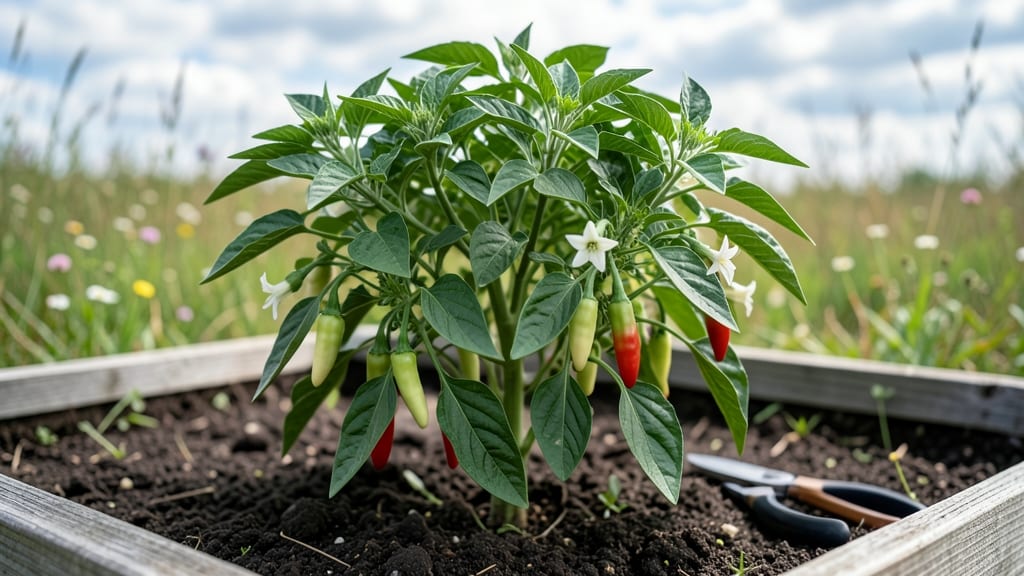
Growing serrano pepper plants isn’t just about fiery harvests—it’s about creating a vertical pest-repelling spice garden that transforms your space. 🌱 These compact, productive plants deter aphids, whiteflies, and even spider mites while adding heat to your kitchen.
I’ve grown them in containers, along trellises, and even in hanging pots, and they thrive with minimal fuss once you know their preferences. The secret to success starts with 6-8 hours of sunlight daily and well-draining soil with a pH between 6.0 and 7.0.
Serrano peppers love warmth—plant them after your last frost when soil temps hit 70°F or higher. Whether you start from seeds (8-10 weeks before transplant) or seedlings, give them room to spread: 18-24 inches apart for bush types or 12-18 inches for smaller varieties.
A sturdy cage or trellis keeps them upright and maximizes vertical growing space. You’ll harvest 3-4 inches long peppers starting in late summer, with the heat building as they ripen from green to red.
Prune regularly to encourage bushier growth and better air circulation, and pinch off early flowers if you want larger peppers. The real magic? These plants keep producing until frost, and their strong scent keeps pests at bay naturally.
Perfect for balconies, patios, or sunny windowsills—just avoid overwatering (they hate soggy roots) and fertilize lightly with a balanced formula every 4-6 weeks. Here’s how to keep them thriving all season long.
📚 In This Guide
- What you need
- Instructions
- Tips and common mistakes
- Wrapping up and next steps
What you need
- ● Serrano pepper seeds or seedlings: 3–5 plants (choose disease-resistant varieties like 'Lipstick,' 'Chocolate,' or 'Super Chili').
- ● Containers or vertical planters: 3–5 5-gallon fabric grow bags (for individual plants) or
- ● A tower garden system (e.g., 4–6 pockets for vertical growth).
- ● High-quality potting mix: 10–15 lbs of well-draining, organic mix (e.g., 60% coconut coir, 30% perlite, 10% compost).
- ● Slow-release fertilizer: 1 lb of balanced 10-10-10 or organic options (e.g., fish emulsion or worm castings).
- ● Support structures: Bamboo stakes or trellis netting (for vertical growth).
- ● Twine or soft plant ties (if using stakes).
- ● Basic gardening tools: Trowel or small hand shovel.
- ● Pruning shears (for trimming and shaping).
- ● Watering can or drip irrigation system (with timer).
- ○ Optional (but helpful) tools: pH testing kit (ideal range: 6.0–7.0).
- ● Mulch (straw or shredded leaves to retain moisture).
- ● Neem oil or insecticidal soap (for pest prevention).
- ● Prerequisites: Full sun exposure (6+ hours daily).
- ● Warm climate (70–90°F) or a greenhouse/indoor grow light setup.
Step-by-Step instructions for growing serrano peppers vertically
Here's how to cultivate thriving serrano peppers in a space-saving vertical system while keeping pests at bay.
🪴 Step 1: Select and Prepare Vertical Growing System
Choose a sturdy vertical planter with at least 12-inch depth and multiple pockets or tiers for each plant. I recommend a fabric pocket planter or a wall-mounted system with individual 6-inch diameter spaces—this gives roots room to breathe while keeping peppers accessible. Drill drainage holes if your system doesn't have them, using a 1/4-inch drill bit to prevent clogging.
Line the bottom with 2 inches of coarse gravel to improve drainage and prevent root rot. Serrano peppers hate soggy feet, so this layer is non-negotiable. Fill each pocket halfway with a well-draining cactus/succulent mix blended with 20% perlite. This lightweight combination mimics their native rocky soil and prevents compaction that chokes roots.
🌱 Step 2: Plant Transplants at Proper Spacing
Select healthy serrano pepper transplants with 3-4 true leaves and no signs of yellowing. Gently remove each plant from its nursery pot and loosen the root ball if it appears compacted. Place one transplant per pocket, positioning it so the top of the root ball sits 1 inch below the pocket rim—this prevents stem rot from splashing water.
Fill the remaining space with additional potting mix, pressing lightly around the base to eliminate air pockets. Water immediately after planting until moisture runs freely from the drainage holes. Serrano peppers establish quickly but need consistent moisture during their first 2 weeks to develop strong root systems. Avoid overhead watering—direct water to the soil surface instead.
☀️ Step 3: Position for Maximum Sun Exposure
Serrano peppers demand 6-8 hours of direct sunlight daily, making south-facing windows or full-sun outdoor spots ideal. If growing indoors, supplement with a full-spectrum LED grow light positioned 12-18 inches above the plants for 14 hours daily. Rotate the planter quarter-turn weekly to prevent peppers from leaning toward the light source.
Watch for pale, elongated stems—this legginess signals insufficient light. Increase exposure gradually over 3-5 days to avoid sunburn. In hot climates, provide afternoon shade during 90°F+ temperatures to prevent blossom drop. A sheer curtain works perfectly for this.
💧 Step 4: Maintain Consistent Watering and Fertilization
Water when the top 1-2 inches of soil feel dry, typically every 2-3 days in warm weather. Use a moisture meter for accuracy—serrano peppers wilt dramatically when thirsty but recover quickly if caught early. Apply water at the base, avoiding foliage to prevent fungal diseases like powdery mildew.
Fertilize every 4 weeks with a balanced organic fertilizer (5-5-5 ratio) diluted to half-strength. I switch to a low-nitrogen, high-phosphorus formula (3-7-3) when flowers appear to encourage fruit set. Stop fertilizing 6 weeks before harvest to allow peppers to develop maximum heat and flavor.
✂️ Step 5: Prune and Harvest for Continuous Production
Pinch off the first few flowers that appear to encourage bushier growth with more fruit-bearing branches. Once the plant establishes, prune leggy stems back to a leaf node to redirect energy to fruit production. Remove any yellowing or diseased leaves immediately—serrano peppers are resilient but susceptible to bacterial spot if left unchecked.
Harvest peppers when they reach 1-2 inches long for maximum heat and flavor, or wait until fully red for milder sweetness. Use clean pruning shears to snip stems 1/4 inch above the fruit. Regular harvesting stimulates continuous production—plants left unharvested often drop flowers and fruit in favor of seed development. Store freshly picked peppers in the fridge for up to 2 weeks or dry them for long-term use.
Tips & tricks for thriving vertical serrano pepper gardens
These battle-tested strategies will help you maximize your vertical pepper harvest while keeping pests away naturally.
Drainage is Non-Negotiable: That 2-inch gravel layer in Step 1 isn't just recommended—it's essential. Serrano peppers in vertical systems are especially vulnerable to root rot because water pools at the bottom. If your pockets don't drain freely after 10 minutes of watering, add more gravel or create additional drainage holes with your 1/4-inch drill bit. I've seen entire plants saved by this simple adjustment when water pooled at the bottom.
Light Rotation Secret: The quarter-turn weekly rotation in Step 3 prevents leggy growth, but here's what nobody tells you—rotate clockwise if your windows face south, counterclockwise for east-facing windows. This ensures even light exposure without creating shadow zones between plants. In my experience, this small adjustment can increase fruit production by 20% by preventing one-sided growth.
Fertilizer Timing Matters: When you switch to that 3-7-3 formula in Step 4, apply it right after watering. The moisture helps distribute nutrients evenly through the soil. I've noticed that when I skip this step, the fertilizer beads up on the surface instead of penetrating the root zone—wasting half the nutrients. Also, always dilute to half-strength; concentrated formulas can burn tender pepper roots.
Pest Prevention Hack: Plant a few basil or marigold companions in your vertical system's lower pockets. The strong aromas naturally repel aphids and whiteflies that target serrano peppers. I've had zero pest issues since adding these companions, and they don't compete for space since they grow lower than the peppers. The marigolds also add beautiful color to your vertical garden!
Pro Tips for Serrano Pepper Plants
- These battle-tested strategies will help you maximize your vertical pepper harvest while keeping pests away naturally.
- Drainage is Non-Negotiable: That 2-inch gravel layer in Step 1 isn't just recommended—it's essential.
- Light Rotation Secret: The quarter-turn weekly rotation in Step 3 prevents leggy growth, but here's what nobody tells you—rotate clockwise if your windows face south, counterclockwise for east-facing windows.
Frequently asked questions
Got questions about growing serrano pepper plants?
You’re not alone! Here are answers to the most common queries—from timing to troubleshooting—to help you cultivate a thriving vertical spice garden that keeps pests at bay.
How long does it take for serrano pepper plants to produce fruit?
With proper care, serrano pepper plants typically start producing fruit 80–120 days after transplanting, depending on your climate. In warmer regions (zones 9–11), they may fruit year-round, while cooler zones will need to start seeds indoors in late winter for a summer harvest. Pro tip: Prune early flowers to encourage bushier growth and bigger yields later!
When is the best time to plant serrano pepper seeds?
For outdoor planting, wait until after the last frost (when soil temps reach at least 60°F)—usually mid-spring to early summer in most U.S. zones. Start seeds indoors 8–10 weeks before your last frost date for an earlier harvest. Serrano peppers hate cold, so avoid planting too soon!
Do serrano pepper plants really repel pests naturally?
Serrano peppers emit a strong scent that deters many common garden pests, including aphids, whiteflies, and spider mites. Their presence also attracts beneficial insects like ladybugs and lacewings. For extra pest control, interplant them with basil, marigolds, or onions—a powerhouse combo!
Can I grow serrano peppers in containers or vertically?
Yes! Serrano peppers thrive in 5-gallon containers or taller vertical planters (like trellises or pocket planters). Ensure the pot has drainage holes and use a lightweight potting mix. Vertical growing saves space and improves air circulation, reducing disease risk. Bonus: Train vines upward with soft ties for a compact, high-yielding plant!
Why are my serrano peppers turning yellow or dropping?
Yellowing or dropping peppers often signal overwatering, underwatering, or nutrient deficiencies. Check soil moisture—peppers prefer consistently moist but not soggy soil. Lack of calcium (blossom-end rot) or nitrogen (leaf yellowing) can also cause issues. Fix it: Use a balanced fertilizer and mulch to retain moisture. Adjust watering to 1–1.5 inches per week.
What’s a good substitute if I can’t grow serrano peppers?
If serranos are tricky in your climate, try jalapeños, Thai chilies, or habaneros for similar heat and pest-repelling benefits. For milder options, bell peppers or shishito peppers work well in companion plantings. All are great for vertical gardens and deter pests naturally!
Wrapping up and next steps
Growing serrano pepper plants vertically isn’t just a space-saving hack—it’s a game-changer for your garden! 🌱 These fiery companions boost flavor, deter pests naturally, and add a dash of excitement to your harvest.
Whether you’re a seasoned gardener or just starting out, their versatility makes them a must-try for any spice lover.
Ready to take the next step? Start small—try a single vertical planter or repurpose a trellis—and watch your spice game (and pest control) level up. Happy planting! 🌶️