
Picking
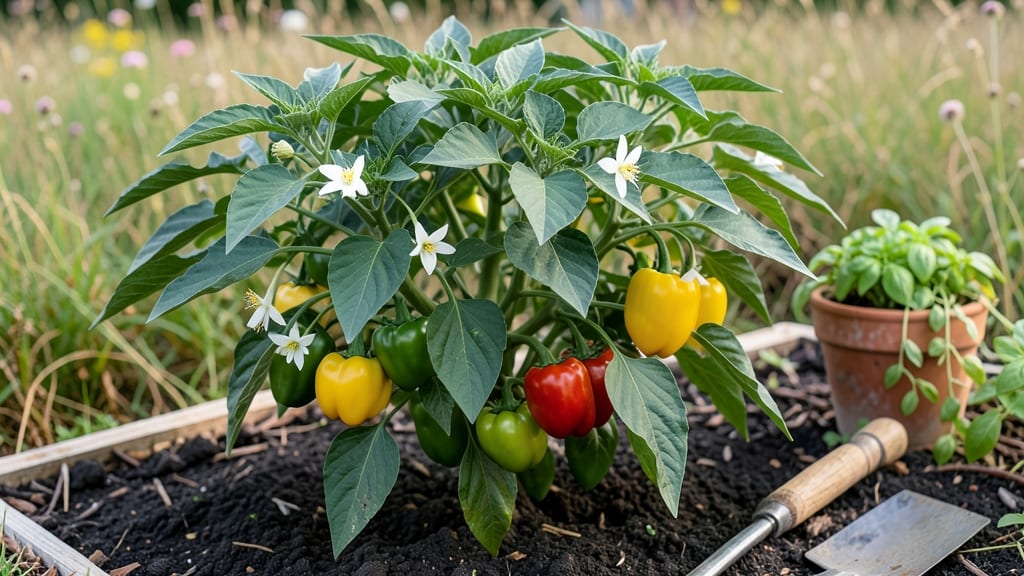
The first tiny green shoot from a pepper seed is the most exciting moment of the growing season. 🌱 From that first peek to the ripe fruit on your kitchen counter, pepper growth unfolds in distinct stages—each with its own care requirements and milestones to celebrate.
Germination kicks off when soil stays warm (70-85°F) and moist, with seeds sprouting in 7-14 days. True leaves appear next, signaling the seedling stage where light becomes critical—too little stunts growth, but too much scorches delicate foliage.
This is when you’ll notice the first signs of pepper personality: some varieties grow fast and bold, while others take their time. By the time you see flower buds forming (usually 6-8 weeks after planting), your peppers are entering their reproductive phase.
Pruning now encourages bushier plants with more fruit, while consistent watering prevents blossom-end rot. The real magic happens when those flowers transform into tiny peppers—first green, then the colors you’ve been waiting for. Mastering these stages means bigger harvests and fewer surprises.
Whether you’re growing sweet bell peppers or fiery jalapeños, understanding each phase turns guesswork into confidence. Let’s walk through what to expect at every turn!
📚 In This Guide
- What you need
- Instructions
- Tips and common mistakes
- Wrapping up and next steps
What you need
- ● Seeds: Choose high-quality pepper seeds (e.g., bell, jalapeño, or habanero). Start with 5–10 seeds per variety for a small garden.
- ● Seed-starting trays or pots: 2–3 inch deep containers (biodegradable options work too!). Aim for 12–24 cells per tray.
- ● Seed-starting mix: Lightweight, sterile mix (e.g., coconut coir or peat-based). Avoid garden soil—it’s too dense!
- ● Grow lights or sunny windowsill: Peppers need 12–16 hours of light daily for strong seedlings.
- ● Watering can or spray bottle: Keep soil consistently moist (not soggy) during germination.
- ● Fertilizer: Balanced, water-soluble fertilizer (e.g., 10-10-10 NPK) or organic options like fish emulsion.
- ● Transplant pots or garden bed: 6–8 inch pots or a sunny spot with well-draining soil (peppers hate waterlogged roots!).
- ● Mulch: Straw or shredded leaves to retain moisture and suppress weeds.
- ○ Support structures (optional): Cages, stakes, or trellises for taller varieties (e.g., bell peppers).
- ● pH test kit: Peppers thrive in 6.0–6.8 pH soil.
- ● Heat mat: Speeds up germination (especially for slow starters like habaneros).
- ● Pruning shears: For trimming leggy seedlings or dead leaves.
- ● Row covers: Protects young plants from pests or late frosts.
- ● Compost or worm castings: Boosts soil fertility naturally.
How to track pepper growth through every developmental stage
Watch your peppers transform from tiny seeds to fruiting plants—here’s how to spot each stage’s key milestones.
🌱 Step 1: Germination and Seedling Emergence
After sowing, keep the soil consistently moist at 75-85°F—you’ll see sprouts in 7-14 days. The first leaves (cotyledons) are round and simple, not the true leaves you’ll harvest later. These baby leaves rely entirely on the seed’s stored energy, so don’t disturb the soil yet.
Once the cotyledons unfurl, place seedlings under grow lights 2-3 inches away for 14-16 hours daily. You’ll know they’re getting enough light when stems stay thick and leaves stay dark green. If they stretch toward the light (leggy growth), immediately lower the lights or move them closer.
🌿 Step 2: True Leaf Development and Vegetative Growth
After 2-3 weeks, the first true leaves appear—these are serrated and resemble miniature pepper foliage. This is when roots start branching out, so water when the top inch of soil feels dry. Overwatering now causes root rot, which stunts growth permanently.
By 4-6 weeks, your plants should have 4-6 true leaves and a sturdy stem. Pinch off any flowers that form now—peppers need all their energy focused on leaf and stem growth, not fruiting. You’ll see new leaves emerge every 7-10 days if conditions are right.
☀️ Step 3: Flowering and Fruit Set
When plants reach 10-12 inches tall and have 6-8 true leaves, they’ll start sending out flower buds. These look like tiny white stars and appear in leaf axils. The first flowers may drop if nights are too cool (below 55°F)—use a small greenhouse or row cover to protect them.
Once flowers open, hand-pollinate by gently shaking plants or using a paintbrush to transfer pollen. You’ll spot tiny green peppers forming 7-10 days later. Remove any that appear deformed or fail to grow—this redirects energy to healthy fruit.
🌶️ Step 4: Fruit Maturation and Ripening
Peppers change color in stages: green → yellow/orange → red (or their variety’s final hue). Track fruit size against your plant’s expected mature size—bell peppers stop growing at 3-4 inches long, while jalapeños max out at 2-3 inches. Harvest when firm and fully colored for best flavor.
For continuous production, pick peppers as they ripen instead of waiting for all to mature. This encourages the plant to set new flowers. If fruit stays small or never colors, check for insufficient light (move plants to full sun) or nutrient deficiencies (feed with balanced fertilizer).
Tips & tricks for perfect pepper growth tracking
Here's what nobody tells you about growing peppers from seed to harvest—these are the details that separate thriving plants from struggling ones.
Heat Control: Maintaining that 75-85°F soil temperature range during germination is absolutely critical. I learned this the hard way after watching seeds rot in cooler soil—use a seedling heat mat if your home stays chilly. Once sprouts appear, keep them in this warm range for the full 7-14 days germination window. Too cold? They'll take longer to sprout or never emerge at all.
Lighting Secret: Those 14-16 hours of grow light exposure are non-negotiable for strong seedlings. I use a simple LED grow light on a timer—position it 2-3 inches above the plants and adjust as they grow. Watch for that telltale "leggy" growth (stems stretching toward light) which means they need more intensity or less distance. This is when you know your light setup isn't quite right.
Watering Wisdom: The top inch soil dry test works perfectly for true leaf stage plants, but here's the catch: use room-temperature water. Cold water shocks the roots and can cause stunted growth. I also water at the base rather than overhead to prevent fungal diseases that love damp foliage. Remember, overwatering now causes permanent root rot—better to underwater slightly than drown your plants.
Flowering Fix: When nights dip below 55°F, those delicate flower buds will drop like flies. I've lost entire pepper crops to cold nights before learning this lesson. Use row covers or small greenhouses to protect flowers—even a simple plastic bottle cloche works in a pinch. Once flowers open, that 7-10 day window to fruit set is your best chance for a good harvest.
Pro Tips for Stages Of Pepper Growth
- Here's what nobody tells you about growing peppers from seed to harvest—these are the details that separate thriving plants from struggling ones.
- Heat Control: Maintaining that 75-85°F soil temperature range during germination is absolutely critical.
- Lighting Secret: Those 14-16 hours of grow light exposure are non-negotiable for strong seedlings.
Frequently asked questions
Got questions about growing peppers? You’re not alone! Here are answers to the most common queries about pepper growth stages, from seed to harvest.
How long does it take for pepper seeds to germinate?
Pepper seeds typically germinate in 7–21 days, depending on temperature and moisture. Keep soil warm (70–85°F) and consistently damp for best results. If seeds don’t sprout in 3 weeks, they may be old or non-viable—try fresh seeds!
What are the key stages of pepper growth?
Peppers progress through 5 main stages:
- Germination (7–21 days): Seedlings emerge.
- Seedling (2–4 weeks): True leaves appear; avoid overwatering.
- Vegetative (4–8 weeks): Bushy growth; transplant outdoors after frost.
- Flowering (6–10 weeks): White/yellow flowers form (hand-pollinate if needed).
- Fruiting (8–12 weeks): Peppers develop; harvest when firm and colored.
Why are my pepper plants dropping flowers or fruit?
Common causes include temperature stress (below 55°F or above 90°F), lack of pollination, or nutrient deficiencies (especially calcium or phosphorus). Hand-pollinate flowers with a paintbrush, ensure consistent watering, and fertilize with a balanced 10-10-10 mix.
Can I grow peppers indoors, and what’s the ideal temperature?
Yes! Peppers thrive indoors with 6–8 hours of sunlight daily (supplement with grow lights) and temperatures between 70–85°F. Avoid drafts, and use containers with drainage. Start seeds indoors 8–10 weeks before the last frost for a head start.
When is the best time to harvest peppers?
Harvest bell peppers when fully colored and firm (60–90 days). For hot peppers, pick when glossy and firm (e.g., jalapeños at 70–80 days). Snip with scissors to avoid damaging the plant—regular harvesting encourages more production!
Wrapping up and next steps
Understanding the stages of pepper growth transforms gardening from guesswork into a rewarding journey! From sprouting seeds to harvesting vibrant peppers, each phase offers unique challenges and triumphs. With the right tools, patience, and care, you’ll soon enjoy a bountiful harvest—whether you’re a beginner or a seasoned green thumb.
Ready to level up your garden? 🌱 Start by planting those seeds today, and don’t forget to track progress with our growth stages guide. Happy gardening—your future meals (and bragging rights) are waiting!