
Pests
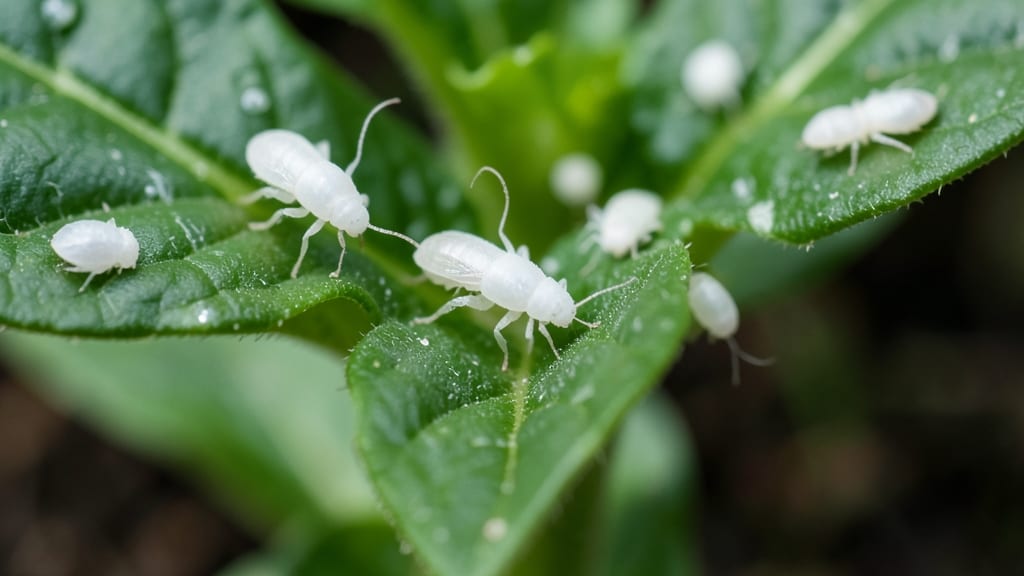
Those tiny white bugs on your pepper plants aren’t just annoying—they’re sucking the life out of your harvest. 🌱 I’ve battled them myself, and the key is acting fast before they turn your plants into a sticky, yellow mess.
These pests (likely thrips, whiteflies, or mealybugs) multiply quickly, leaving behind a trail of damage that stunts growth and weakens your peppers.
The first step is identifying them correctly—thrips leave speckled leaves, while whiteflies flutter when you disturb the plant, and mealybugs hide in cottony clusters. Look for sticky residue (honeydew) on leaves or ants trailing up your plants, which means sugar-loving pests are at work.
The sooner you spot them, the easier they are to control without harsh chemicals.
Once you’ve confirmed the culprits, neem oil or insecticidal soap becomes your best friend. Spray the undersides of leaves (where they hide) every 3-5 days until they’re gone, and don’t forget to prune heavily infested foliage to break their cycle.
Ladybugs and lacewings are natural allies—introduce them to your garden for long-term protection.
Prevention is the real game-changer: rotate crops, plant marigolds or basil nearby (they repel pests), and inspect your plants weekly under the leaves. A little vigilance now means healthier peppers and fewer headaches next season. Let’s get those bugs under control before they ruin your harvest.
📚 In This Guide
- What you need
- Instructions
- Tips and common mistakes
- Wrapping up and next steps
What you need
- ● Handheld magnifying glass (10x magnification) – Critical for spotting thrips and their eggs!
- ● White tray or sheet of paper – Helps observe bugs clearly when shaken from leaves.
- ● Garden hose with adjustable nozzle – For blasting off pests (use a gentle spray first).
- ● Neem oil (100% pure, cold-pressed) – 1–2 tablespoons per gallon of water (organic pesticide).
- ● Dish soap (mild, like Castile soap) – ½ teaspoon per gallon of water (helps break thrips’ protective coating).
- ● Spray bottle (16 oz or larger) – For mixing and applying solutions.
- ● Pruning shears (sterilized) – To trim heavily infested leaves or stems.
- ● Gloves (nitrile or rubber) – Protects your hands from oils and pests.
- ● Yellow sticky traps (2–4 traps) – Monitor thrips activity and catch adults!
- ○ Garden twine or string (optional but helpful) – For securing traps near plants.
- ● Beneficial insects (e.g., Orius insidiosus or Hypoaspis miles) – Natural predators of thrips (available at garden centers).
- ● Kaolin clay (Surround WP) – 1–2 tablespoons per gallon of water (creates a barrier thrips dislike).
- ● Garlic or chili pepper spray – Homemade repellent (blend 1 garlic bulb or 1 chili pepper per quart of water, strain, and spray).
- ● Fine-mesh row cover (for severe infestations) – Protects plants while they recover.
- ● Notebook & pen – To track treatment dates and progress.
Step-by-Step instructions for identifying and removing thrips from pepper plants
Here's how I tackle thrips infestations—naturally and effectively—so your peppers stay healthy.
🔍 Step 1: Confirm the Bugs Are Thrips (Not Something Else)
Thrips are tiny—just 1/20th of an inch long—and often mistaken for whiteflies or aphids. Hold a white sheet of paper under the plant and gently shake a branch. If you see tiny, fast-moving white or pale yellow bugs with fringed wings, that's your culprit. Thrips also leave behind silver streaks or stippling on leaves, a dead giveaway.
Use a 10x magnifying glass to inspect the bugs closely. Thrips have distinctive feathery antennae and a slender, elongated body. If you spot black or brown specks in the soil beneath the plant, those are thrips' shed skins—a sign of a full-blown infestation. Don't confuse them with spider mites, which are even smaller and don't leave white streaks.
🌿 Step 2: Isolate Infested Plants Immediately
Thrips spread rapidly, so move the pepper plant to a separate, shaded area away from other garden plants. Place it on a tray lined with aluminum foil to catch any bugs that fall off. If you're working in a greenhouse, quarantine the plant for at least 3 days to prevent cross-contamination. Check nearby plants for signs of infestation—thrips love peppers, tomatoes, and eggplants.
I always inspect the undersides of leaves first, as thrips prefer the softer tissue there. Look for clusters of tiny white eggs along the veins. If you see them, your plant has been hosting thrips for longer than you thought. Remove heavily infested leaves with clean pruning shears and dispose of them in a sealed plastic bag—don't compost them.
💧 Step 3: Apply Organic Sprays for Immediate Control
Mix 1 teaspoon of dish soap (like Dawn) in 1 quart of water in a spray bottle. The soap disrupts thrips' protective wax coating, dehydrating them within hours. Spray the entire plant thoroughly, focusing on the undersides of leaves where thrips hide. Repeat every 3-4 days for 2 weeks—consistency is key. I like to spray in the early morning so the plant has time to dry before evening humidity sets in.
For a stronger organic option, blend 1 tablespoon of neem oil with 1 teaspoon of mild liquid castile soap and 1 quart of water. Neem oil confuses thrips' mating signals and disrupts their life cycle. Shake well before spraying and reapply every 5-7 days. Always test a small leaf first—neem oil can cause minor leaf burn in sensitive plants. Avoid spraying when temperatures exceed 90°F, as the oil can volatilize and lose effectiveness.
☀️ Step 4: Introduce Beneficial Predators for Long-Term Defense
Release minute pirate bugs or ladybug larvae near the infested plant. These predators feast on thrips and provide natural, long-term control. Order them from a reputable supplier and release them in the early morning when temperatures are below 85°F. Keep the plant shaded and misted lightly for 24 hours afterward to help the predators establish themselves.
For an extra boost, install blue sticky traps near the plant. Thrips are attracted to blue surfaces, and the traps will catch adults before they lay more eggs. Place traps 12-18 inches above the plant and check them daily. Replace traps every 3-4 days or when they're fully covered in bugs. This method works best in greenhouses or enclosed spaces where thrips can't escape.
✂️ Step 5: Prevent Future Infestations with Cultural Controls
Thrips thrive in dry, dusty conditions, so mist your pepper plants lightly every morning to increase humidity around the foliage. Use a fine mist setting on your hose to avoid damaging leaves. This simple step makes the environment less hospitable for thrips and encourages beneficial insects like lacewings, which also prey on them.
Remove all plant debris from around your pepper plants—thrips overwinter in dried leaves and stems. I also rotate my pepper plants annually to disrupt thrips' life cycle. If you're growing in containers, wash pots thoroughly with soapy water between seasons to remove any lingering eggs. For garden beds, mulch heavily with straw or grass clippings to smother emerging thrips and retain moisture.
Tips & tricks for effective thrips management on pepper plants
Thrips can be a nightmare if you let them take hold—but with these targeted strategies, you'll regain control fast.
Precision Identification: In Step 1, when using the white sheet method, I recommend placing it directly under the plant's canopy where thrips are most concentrated. The contrast against the white background makes their tiny bodies and movement patterns much clearer. If you're still unsure after shaking, examine the leaf surfaces with your 10x magnifying glass for those telltale feathery antennae—this is the key visual difference that separates thrips from other pests. The silver stippling on leaves is another dead giveaway that often appears before you even spot the bugs themselves.
Quarantine Strategy: During Step 2's isolation period, I've found that placing a fine mesh bag over the entire plant (with ventilation holes) while it's in quarantine creates an additional barrier against escaped thrips. This works especially well in greenhouses where containment is critical. Remember to check both the top and bottom of leaves for those tiny white eggs—if you find them, you'll need to extend your quarantine period and treatment schedule accordingly.
Spray Application Technique: When applying your dish soap spray in Step 3, focus on creating a fine mist rather than a heavy spray. This allows the solution to penetrate the undersides of leaves where thrips hide while preventing water from pooling on the soil. I've noticed that applying the spray in the early morning (as recommended) gives the plant's surface enough time to dry completely before evening humidity sets in, which helps prevent fungal issues that can occur when moisture lingers on leaves.
Beneficial Predator Timing: For Step 4's predator release, I've had the most success releasing minute pirate bugs in the early morning when temperatures are below 85°F and the humidity is higher. This gives them an immediate water source and helps them establish themselves more quickly. After release, I keep the plant shaded for 24 hours to reduce stress—this simple step can make the difference between successful establishment and the predators leaving in search of better conditions.
Pro Tips for Tiny White Bugs On Pepper Plants
- Thrips can be a nightmare if you let them take hold—but with these targeted strategies, you'll regain control fast.
- Precision Identification: In Step 1, when using the white sheet method, I recommend placing it directly under the plant's canopy where thrips are most concentrated.
- Quarantine Strategy: During Step 2's isolation period, I've found that placing a fine mesh bag over the entire plant (with ventilation holes) while it's in quarantine creates an additional barrier against escaped thrips.
Frequently asked questions
Got questions about those pesky tiny white bugs on your pepper plants? You’re not alone! Here are some of the most common concerns—and straightforward answers to help you tackle the problem like a pro.
What are these tiny white bugs on my pepper plants?
Those little white specks are most likely thrips—tiny, fast-moving insects that suck plant sap and leave behind silvery streaks or stippling on leaves. They’re common pests in pepper plants and can stunt growth if left unchecked. Check our guide to confirm it’s thrips before treating!
How quickly do thrips spread to other plants?
Thrips are fast spreaders! They can move to nearby plants within days, especially if your garden has wind or pollinators (like bees) that carry them. Isolate infected plants immediately and inspect others weekly. Preventative sprays can help stop their advance.
Will thrips kill my pepper plants?
While thrips won’t kill a healthy pepper plant outright, severe infestations can weaken it, reduce yields, and attract secondary pests like spider mites. Act fast with organic treatments to protect your harvest. Monitor plants daily for early signs of damage.
Can I use neem oil or soap spray for thrips on peppers?
Yes! Both neem oil and insecticidal soap are effective against thrips. Mix 1–2 tbsp of neem oil or 1 tsp of mild soap per quart of water, then spray undersides of leaves (where thrips hide). Reapply every 5–7 days until the infestation clears. Pro tip: Spray early in the morning for best results.
Will thrips affect the taste or safety of my peppers?
Thrips themselves aren’t toxic, but their feeding can make peppers less flavorful and lead to cosmetic damage (like scars or deformed fruit). While your peppers are still safe to eat, treating the infestation ensures better quality and prevents future issues. Focus on healthy plants for the best-tasting yield!
What’s the best time of day to treat thrips?
Early morning (before 9 AM) is ideal for treating thrips. The cool, humid conditions help sprays stick better, and thrips are most active then. Avoid spraying in direct sunlight, as it can burn plants. Bonus: Repeat treatments in the evening if the infestation is severe.
Wrapping up and next steps
Spotting tiny white bugs on your pepper plants can be frustrating, but with the right knowledge and organic solutions, you’ve got this! 🌱 These pesky thrips may seem overwhelming, but early action—like neem oil sprays, companion planting, or sticky traps—can save your harvest. Stay consistent, monitor your plants regularly, and soon you’ll be back to enjoying thriving, pest-free peppers!
Ready to take action? Start by inspecting your plants today and try one of the organic methods mentioned above. Your green thumb will thank you! 🌿