
Picking
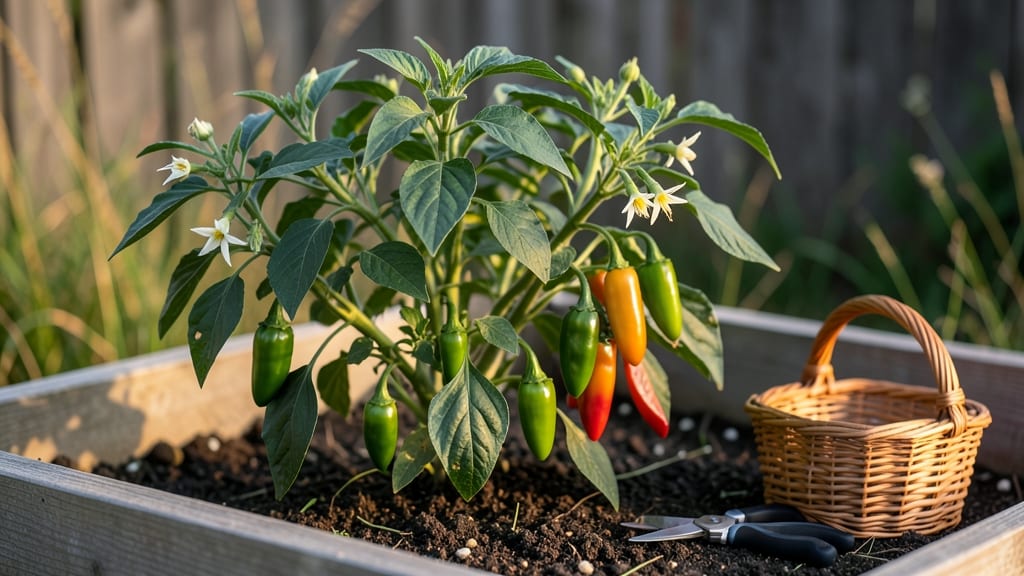
When you have fresh jalapeño peppers, your best options include pickling for tangy heat, grilling for smoky depth, blending into hot sauces, or stuffing them with cheese for quick bites. Preserve them by freezing whole or chopped, or try fermenting for probiotics and drying to lock in flavor for months.
Fresh jalapeños are incredibly versatile, and their heat level (2,500–8,000 Scoville units) makes them perfect for adding zing to dishes without overpowering. 🌶️ For example, grilling them brings out natural sweetness while preserving their spiciness, making them ideal for tacos or nachos.
If you're short on time, blending them into a quick hot sauce with lime and garlic takes just 10 minutes and elevates any meal. The key is to use them while they're at their peak—firm, vibrant green, and free of soft spots—for the best flavor and texture.
Beyond the basics, fermenting jalapeños creates a probiotic-rich condiment that adds depth to sandwiches and bowls, while drying them concentrates their heat and flavor for later use. I always keep a few peppers in the freezer for emergencies—whether it's a last-minute salsa or a spicy butter for grilled steaks.
The secret to success? Handle them with care—cutting them too finely can make them bitter, so keep those seeds and membranes if you want extra heat.
💡 In This Article
- How to Preserve Jalapeños for Long-Term Use
- Quick Jalapeño Recipes Beyond Pickles and Salsa
How to preserve jalapeños for long-term use
Pickling jalapeños relies on vinegar’s acidic environment (pH <4.6), which prevents harmful bacteria like Clostridium botulinum while preserving color and heat. The capsaicin—the compound responsible for spiciness—remains stable through this process, so your pickles retain their kick.
For best results, use 5% acidity vinegar (like white or apple cider) and sterilize jars at 250°F for 10 minutes to kill any lingering microbes. The brine’s salt (1-2 teaspoons per cup of water) also helps draw out moisture, creating the tangy crunch we love.
Freezing jalapeños works by slowing enzymatic activity that causes spoilage. Whole peppers stay vibrant for 6-8 months in a sealed bag, while chopped ones last 3-4 months due to increased surface area.
The key is blanching (2 minutes in boiling water) before freezing—this halts enzyme activity and preserves texture. For maximum heat retention, freeze them with seeds intact; removing seeds reduces spiciness by up to 30%.
Thawed peppers work perfectly in cooked dishes like soups or stews, though texture softens slightly.
Drying jalapeños concentrates their flavor and heat by removing 90% of their moisture through dehydration. A food dehydrator set to 135°F for 4-6 hours works best, or use an oven on low with the door slightly open. The result?
Peppers that are 3-4 times more potent than fresh due to capsaicin concentration. Store dried jalapeños in an airtight container with silica packets to prevent moisture absorption. They’ll keep for 1 year and add smoky depth to dishes when rehydrated or crushed into powders.
Fermenting transforms jalapeños into a probiotic powerhouse through lactic acid bacteria, which convert sugars into acids and create that signature tang. Start with 2% salt brine (20g salt per liter of water) and submerge peppers completely to prevent mold.
After 5-7 days at 70°F, the peppers develop a funky aroma and crisp texture. This process not only preserves them but also boosts gut health—fermented jalapeños contain 100 million CFU/g of beneficial bacteria. Use them like pickles, but with extra umami complexity.
For gardeners with an abundance, consider making jalapeño powder—a shelf-stable spice that lasts 2 years. Simply dehydrate peppers, then grind them into a fine powder. The capsaicin remains potent, making it ideal for dusting on tacos or mixing into rubs.
Unlike fresh peppers, the powder’s heat disperses evenly, so 1/4 teaspoon delivers the same kick as 1 fresh pepper. Store it in a cool, dark place to prevent oxidation, which can dull the flavor over time.
The best preservation method depends on your needs: pickling for quick snacks, freezing for flexibility, drying for concentrated heat, or fermenting for probiotics. Each technique leverages different scientific principles—whether it’s acidity, temperature control, or microbial activity—to keep those peppers fresh and flavorful long after harvest season ends. 🔥