
Picking
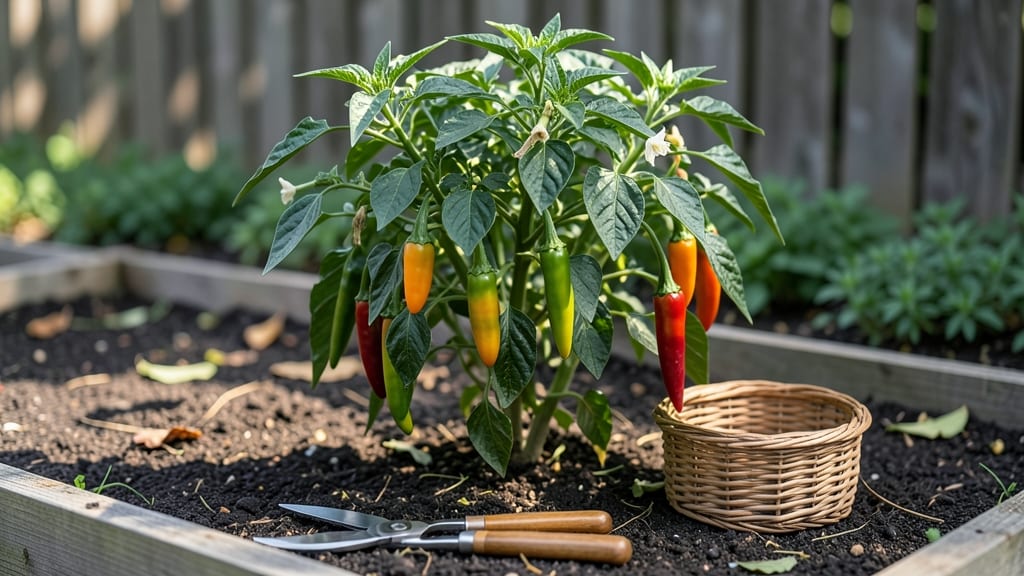
Cayenne peppers are ready to pick when they’ve fully matured—typically 70–90 days after transplanting—and show deep, vibrant color 🌶️.
Picking too early means mild, underripe peppers; leaving them too long can turn them mealy. The color shift from green to red, orange, or yellow is your first clue, but there’s more to it than meets the eye.
In this guide, I’ll break down the exact visual cues—from size and firmness to glossy skin—and share how growing conditions (like full sun and warm temps) speed up or slow down ripening.
You’ll learn how to test ripeness with a simple thumb press, spot the ideal length, and even predict heat levels by color. No more guessing—just perfect cayenne harvests every time.

Cayenne pepper ripeness stages by color: what to watch for
Knowing when to pick your cayenne peppers isn't just about waiting for them to turn red—it's about understanding their color progression and how it signals changing heat levels. Each stage offers unique clues about flavor, spiciness, and ideal harvest timing.
If you miss these visual cues, you might end up with peppers that are either too mild or too tough for your favorite recipes.
Cayenne peppers start their journey as green fruits and gradually transition through vibrant colors like yellow, orange, and finally red. This color shift isn't just visually stunning—it's a direct indicator of their ripeness and heat potential.
For example, a fully mature red cayenne can pack 30,000-50,000 Scoville heat units, while an immature green one might only reach 1,000-2,000 units. That's a dramatic difference in flavor and spice!
Here's the key: Color changes correlate with sugar development in the pepper, which enhances sweetness and complexity. However, don't assume that all red peppers are identical—some varieties mature to yellow or orange hues while maintaining equally high heat levels.
The trick is learning to read your specific cayenne variety's color cues alongside other ripeness indicators.
Let's break down each ripeness stage by color, including what to watch for and when to harvest for optimal flavor and heat. Understanding these stages will help you avoid common mistakes like picking too early for maximum spice or waiting too long for the best texture.
Your cayenne peppers begin their life as bright green fruits, often mistaken for unripe tomatoes. At this stage, they're firm to the touch and contain minimal heat—typically under 2,000 Scoville units. While you can harvest them early for fresh use, they'll lack the <
How to test cayenne pepper ripeness beyond color
Color isn’t the only indicator that your cayenne peppers are ready for harvest. While red, orange, or yellow hues signal ripeness, these physical tests ensure you’re picking at peak flavor and heat potential.
I’ve learned the hard way that waiting for color alone can mean missing the perfect window—or worse, harvesting peppers that are past their prime.
Beyond visual cues, firmness, size, and even seed development play critical roles in determining when to harvest. For example, a pepper that’s fully colored but still soft or oversized may have lost its fiery kick.
Let’s break down the practical tests I use to confirm ripeness every harvest season.
🌶️ Key Takeaways: When Are Cayenne Peppers Ready to Pick?
- Firmness Test: Press gently—ripe peppers yield slightly but don’t dent.
- Size Check: Aim for 3–5 inches in length for optimal heat and flavor.
- Seed Readiness: Seeds should be fully formed but not shriveled or dark.
- Stem Snap: Twist the stem—it should break cleanly at the base.
- Glossy Skin: A slight sheen indicates peak ripeness and flavor.
💡 Pro Tip: Harvest in the morning when peppers are cool and crisp for the best texture.
Start with the firmness test, which is my go-to method for confirming ripeness. Gently press a mature cayenne pepper with your thumb—it should feel firm but yield slightly, like pressing a ripe avocado.
If it’s too hard, it’s not ready; if it’s mushy, it’s overripe. This test works especially well for container-grown peppers, where environmental stress can accelerate ripening.
Next, compare the pepper’s size to your thumb or a ruler. Ideal cayenne peppers typically measure 3–5 inches long. Smaller peppers (under 3 inches) often lack the heat intensity you’re after, while larger ones may have tougher skins and diluted flavor.
I’ve found that orange cayenne varieties often reach this size slightly earlier than red or yellow types.
Don’t overlook the seeds inside—this is a telltale sign of ripeness I wish I’d known earlier in my gardening journey. Cut open a pepper to check the seeds: they should be plump and white, not shriveled or dark.
Dark, dried seeds indicate the pepper has passed its prime, while underdeveloped seeds mean it’s not ready. This method is especially useful for home-grown cayenne peppers where consistency in ripening can vary.
Finally, observe the stem and how it connects to the plant. A ripe cayenne pepper’s stem should snap cleanly when twisted gently at the base—this is your cue to harvest. If the stem resists or pulls away with the fruit, it’s not fully mature.
I’ve also noticed that morning harvests yield peppers with the best texture, as evening heat can make them softer and more prone to bruising.
By combining these four tests—firmness, size, seed development, and stem snap—you’ll never second-guess when to pick your cayenne peppers again. Trust me, your taste buds (and your spicy recipes) will thank you! 🌱