
Pests and Diseases
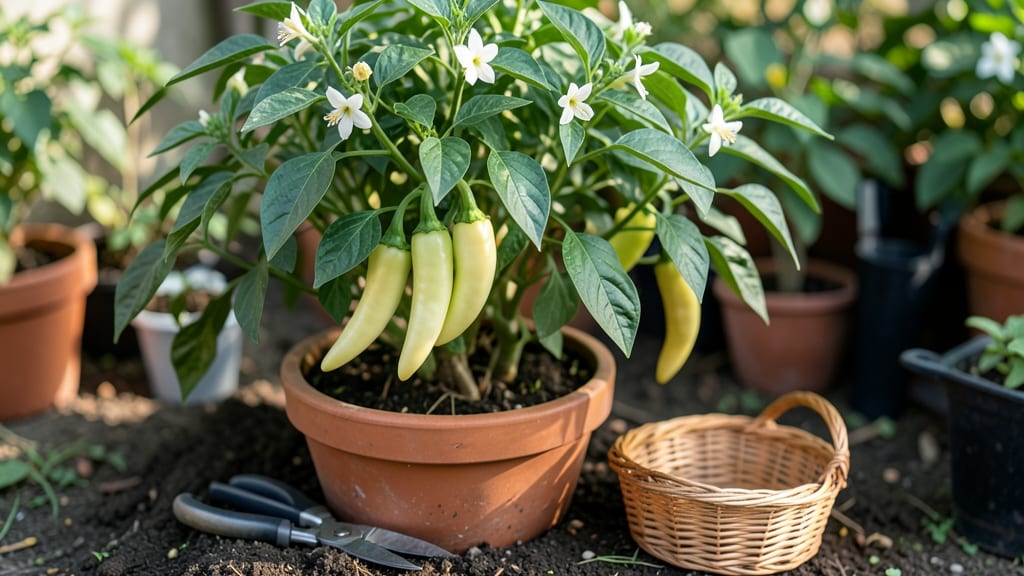
A banana pepper is ready to pick when it reaches 3–5 inches in length, turns bright yellow, and feels firm yet slightly yielding to gentle pressure 🌶️.
Picture this: you’ve nurtured your plants all season, and now the moment of truth arrives. One wrong move, and you’re left with either bitter, underripe peppers or tough, overgrown ones.
The difference between a perfect harvest and a disappointing one often comes down to knowing exactly when to pluck those peppers.
Color isn’t the only clue—size and firmness matter just as much. A pepper that’s too small or still green won’t have the crisp, mild flavor you’re after, while one left too long on the vine can become seedy and tough.
Below, I’ll walk you through the visual and tactile cues to ensure you pick your banana peppers at their peak.
You’ll also discover how to avoid common mistakes, like harvesting too early or missing the sweet spot of ripeness, and learn tricks to extend your harvest season for a longer supply of fresh, flavorful peppers.


Banana pepper ripeness guide: color, size, and firmness checklist for optimal harvest
Knowing when to pick banana peppers is the key to unlocking their signature sweet, crisp flavor. Unlike their spicier cousins, banana peppers mature through a distinct color progression from green to yellow, but size and firmness matter just as much.
Harvest too early, and you’ll get bland, seedy peppers—too late, and they’ll turn tough and bitter. Let’s break down the exact visual and tactile cues to time your harvest perfectly.
First, focus on color as your primary indicator. Immature banana peppers start deep green and gradually shift to a vibrant yellow hue as they ripen. The transition isn’t always uniform—some peppers may develop yellow patches before fully turning.
This inconsistency is normal, but wait until the entire pepper is uniformly yellow before harvesting for the best flavor. If you’re growing a variegated variety, like 'Golden Yellow Wax,' the color may blend shades of yellow and green, but the rule remains: full color = ripeness.
Size is your second checkpoint. Aim for peppers that measure between 3 to 5 inches long. At this stage, they’re fully developed but still crisp. Smaller peppers (under 2 inches) are underripe and often seedy or bland. Overgrown peppers (6+ inches) can become tough and lose their sweetness. Use a ruler or your fingers to gauge size—most ripe banana peppers fit snugly between your thumb and index finger when held horizontally.
Don’t rely solely on color or size—firmness is the final test. A ripe banana pepper should feel firm but slightly yielding when gently squeezed. Press your thumb against the pepper: if it springs back immediately, it’s underripe. If it leaves a slight dent, it’s ready.
Overripe peppers feel soft or wrinkled, like a slightly deflated balloon, and often develop a bitter aftertaste. For extra precision, twist the pepper gently at the stem—if it snaps cleanly, it’s at peak ripeness.
Timing your harvest also depends on your climate and variety. In hotter regions, banana peppers may ripen faster (as early as 60 days), while cooler areas might take up to 90 days.
If your peppers aren’t ripening on the plant, check for adequate sunlight (they need 6+ hours of direct sun daily) and consistent watering. Underripe peppers can still be harvested for pickling, but for fresh eating, wait for full ripeness to enjoy that sweet, tangy crunch.
Pro tip: Harvest in the morning when peppers are cool and crisp. Use clean, sharp pruning shears or scissors to avoid damaging the plant, and leave a small stem attached to preserve freshness. Store harvested peppers in the fridge for up to 2 weeks or ferment them for homemade pickles.
If you miss the window, don’t worry—banana peppers can continue ripening off the vine, though flavor may degrade over time.
One common mistake is assuming all yellow peppers are ripe. Some varieties, like 'Lunchbox' or 'Golden Yellow', stay green longer and may require 10–15 extra days to fully yellow.
Always cross-reference color, size, and firmness to avoid disappointment. For container gardeners, smaller pots can delay ripening, so upgrade to a 5-gallon container minimum for optimal growth.
If your banana peppers start turning red or brown before reaching full size, they’re likely stressed due to heat, drought, or pest damage. In this case, harvest them early for pickling or sauces, as they won’t improve on the plant.
Conversely, if peppers stay green well into fall, your plant may need more nitrogen-rich fertilizer to encourage fruiting. Balance is key—too much fertilizer can lead to leafy growth at the expense of peppers.
Mastering the art of picking banana peppers boils down to patience and observation. Keep an eye on the color progression, measure for ideal size, and test for firmness to ensure every pepper you harvest is a crisp, flavorful success.
With these cues, you’ll never miss the perfect moment again—just imagine the satisfaction of biting into a homegrown, sun-ripened banana pepper at its peak! 🌶️
Common mistakes to avoid when picking banana peppers (and how to fix them)
Picking banana peppers at the wrong stage ruins their crisp texture and mild flavor. Overripe peppers develop bitter notes and tough skin, while underripe ones stay seedy and bland. Even environmental stress—like heat waves or pest damage—can throw off ripening timing, leaving you with uneven harvests.
One of the biggest mistakes is waiting too long for peppers to turn bright yellow. By then, they’re often overmature, with thick walls and a harsh aftertaste.
On the flip side, harvesting too early—when peppers are still green and firm—means missing out on their sweetest flavor potential. Both extremes waste your gardening efforts!
⚠️ callout warning
Don’t rely on color alone—check these 3 cues:
- Size: 3–5 inches long (thicker = overripe)
- Firmness: Skin yields slightly when pressed (not rock-hard)
- Stem: Twists off cleanly with a gentle tug
❌ Overripe: Peppers >5" with dull yellow skin and wrinkled texture.
✅ Perfect: Glossy, firm, and bright yellow (or your chosen mature color).
Heat stress is another sneaky culprit behind uneven ripening. When temperatures soar above 90°F, banana peppers may stop maturing or develop blotchy colors.
To fix this, provide shade cloth during peak afternoon heat and mulch to keep roots cool. Consistent morning watering also helps prevent stress-related ripening delays.
Pest damage—like aphids or hornworms—can stunt pepper growth, leaving some fruits stunted or deformed. If you notice chewed leaves or stunted peppers, inspect plants for pests and handpick or use neem oil as a natural remedy. Early intervention ensures peppers reach their full size and sweetness.
For delayed ripening, try a light fertilizer boost with a balanced 10-10-10 mix. Focus on the roots rather than the foliage, and avoid over-fertilizing, which can lead to excessive leaf growth at the expense of fruit development.
A weekly foliar spray of diluted fish emulsion can also give peppers a gentle nutrient kick.
If your peppers are ripening unevenly across the plant, prune side shoots to redirect energy to the remaining fruits. Remove any yellowing leaves or damaged growth, and ensure the plant gets 6–8 hours of sunlight daily.
With these adjustments, you’ll enjoy a consistent harvest of perfectly ripe banana peppers! 🌶️