
How To
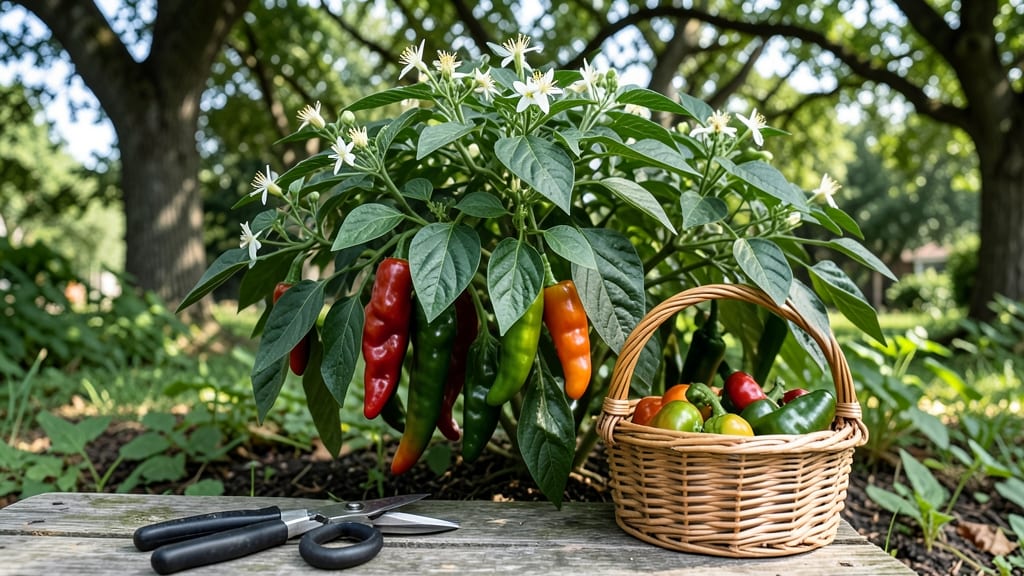
Harvesting cowhorn peppers at the right time means unlocking their full fiery heat and vibrant flavor—something even experienced gardeners sometimes get wrong.
Picture this: you’ve nurtured your 🌶️ cowhorn peppers all season, watching them curve into their signature horn shape, only to wonder, "Am I picking them too soon?" The truth is, timing is everything. Harvest too early, and you’ll miss the peak spice and sweetness.
Wait too long, and they’ll turn rubbery or lose their punch. Below, I’ll break down the exact color cues, firmness tests, and environmental signs to nail the perfect harvest window every time.
Most gardeners focus on color, but ripeness is about more than just shades of red or orange. We’ll cover how to read the pepper’s size, texture, and even its stem for foolproof results.
Plus, I’ll share what happens when you harvest at the wrong stage—and how to store your peppers to keep that heat alive long after the garden season ends.
Ready to turn your cowhorn peppers from good to perfect? Let’s dive into the color-coded guide that’ll have you harvesting like a pro.

Cowhorn pepper ripeness stages by color: visual harvesting guide
Harvesting cowhorn peppers at the perfect moment means capturing their maximum heat and complex flavor. Unlike many peppers, cowhorns change color dramatically as they mature—from green to yellow, orange, and finally red.
Each color stage signals a different heat level and flavor profile, so knowing when to pick is key to avoiding bland or overly spicy results.
I’ve harvested cowhorns for years, and the biggest mistake I see is picking them too early for heat development or waiting too long, when they become wrinkled and lose their fruity sweetness.
The good news? Color is your best friend here—paired with a few simple tactile tests, you’ll never miss the window again.
Below is your visual guide to cowhorn pepper ripeness, including heat levels, maturity cues, and the ideal harvest window for each stage. Pro tip: Always harvest in the morning when sugars are highest and peppers are firmest.
Green cowhorn peppers are underripe and best avoided unless you’re desperate for a mild pepper. They’ll lack the complexity and heat that makes cowhorns special. I’ve tasted green ones straight off the plant, and they’re disappointingly watery with barely a hint of spice.
When peppers turn yellow, they’re ready for an early harvest. This stage offers a balanced flavor—slightly sweet with a moderate kick. The heat starts to develop here, but it’s still approachable.
I like to pick a few yellow peppers to use fresh in salsas or fermented hot sauces where I want a milder base.
The orange stage is where cowhorn peppers hit their sweet spot. This is the ideal harvest window for maximum heat and flavor. The peppers are fully sized, firm yet yielding, and packed with sugars that balance their fiery heat.
If you’re growing cowhorns for drying or hot sauces, this is the stage to aim for.
By the time cowhorns turn deep red, they’ve reached their maximum heat but may lose some sweetness. The skin can become wrinkled, and the flesh slightly softer. While still edible, red cowhorns are best for heat-focused dishes like hot peppers in oil or spicy rubs.
If you miss the orange stage, red peppers are a second-choice harvest.
To test ripeness beyond color, gently squeeze the pepper. A ripe cowhorn should feel firm but yield slightly under pressure—like a ripe avocado. If it’s rock-hard, it’s underripe; if it’s mushy, it’s overripe. Also, check the stem: it should snap cleanly when bent, not tear.
One final tip: Harvest frequently to encourage more peppers. Cowhorn plants produce continuously, and overripe peppers can signal the plant to stop fruiting. I like to check my plants every 2–3 days during peak season to catch them at the perfect moment.
How to test cowhorn pepper heat and ripeness beyond color
While color changes in cowhorn peppers are a great starting point, relying solely on them can lead to underripe or overripe harvests. These peppers develop heat and flavor through a combination of physical cues and environmental factors.
I’ve found that combining tactile tests with visual checks ensures you capture the perfect balance of spice and sweetness.
Start by examining the pepper’s firmness. A ripe cowhorn should feel firm but slightly yielding when gently squeezed—like a ripe avocado. If it feels rock-hard, it’s underripe; if it’s mushy or wrinkled, it’s past its prime.
This tactile test is especially useful for green-harvested varieties, where color alone can be misleading.
Next, consider the size benchmark for your specific variety. Most cowhorn peppers reach 4-6 inches in length at maturity, but some heirloom types can stretch up to 8 inches.
Measure a few peppers from your plant to establish your baseline. If they’re still growing rapidly or haven’t reached 70% of their expected size, hold off on harvesting.
When to Harvest Cowhorn Peppers: Tactile vs. Visual Cues
✅ Use Tactile Tests When:
- Color is inconsistent (e.g., patchy ripening)
- Peppers feel rock-hard despite color change
- Growing season is short (risk of frost)
❌ Avoid Relying on Color Alone When:
- Peppers are green-harvested (heat develops post-harvest)
- Environmental stress causes uneven ripening
- Variety has muted color changes (e.g., some yellow types)
Don’t overlook the stem snap test, my favorite trick for confirming ripeness. Hold the pepper near the stem and bend it gently—ripe cowhorns will snap cleanly at the stem base.
If it resists or tears, it’s not ready. This method works especially well for heirloom varieties with unpredictable ripening patterns.
Heat development is another critical factor. While color often correlates with heat, some cowhorn peppers (like ‘Bigfoot’) reach peak spiciness after turning red. To test heat, I recommend harvesting a few peppers at different stages and comparing their Scoville ratings over time.
Keep a journal to track when your specific variety hits its spiciest point.
Environmental factors can also influence ripeness. If your cowhorn peppers are growing in hot, dry conditions, they may ripen faster and develop more heat. Conversely, cool nights can slow ripening and dilute flavor.
Adjust your harvesting timeline based on your local climate—peppers in Zone 9+ may ripen weeks earlier than those in Zone 7.
For the ultimate harvest, combine all these methods: check color, firmness, size, and stem snap before picking. And remember, early harvests preserve heat for drying or fermenting, while late harvests maximize flavor for fresh eating.
The key is knowing your plant’s unique rhythm—once you master these tests, you’ll never miss the perfect cowhorn again! 🌶️