
How To
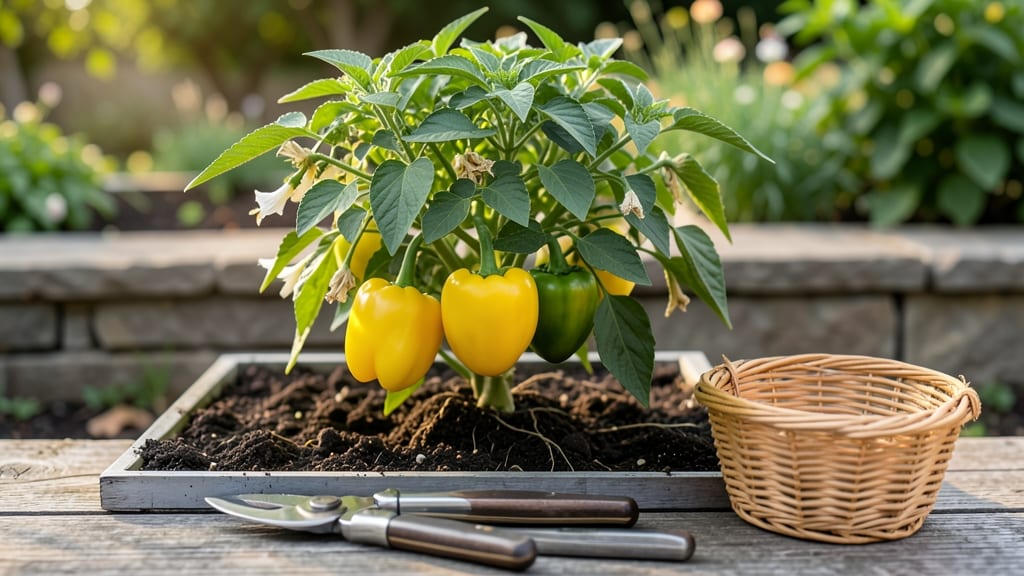
Picking yellow peppers at the right time means the difference between a sweet, crisp bite and a mealy, bitter disappointment 🌶️ — and the best part? You can tell by just looking.
Most gardeners wait until peppers turn bright yellow, but that’s only half the story. The real secret lies in the three color stages that signal when to harvest for peak flavor, and missing any of them could mean losing that perfect balance of sweetness and snap.
Whether you’re in Zone 6a or a warmer climate, knowing these stages helps you time your harvest between July and October, when the heat has peaked but the frost hasn’t arrived. That’s the sweet spot for flavor—and avoiding the common mistake of waiting too long.
Below, I’ll break down the exact cues to watch for, from the first hint of yellow to the ideal moment to snip them off the vine. No more guesswork, just crisp, vibrant peppers every time.


3 Color stages of yellow peppers and when to harvest each
Harvesting yellow peppers at the right time transforms your garden into a flavor powerhouse. Unlike green peppers, which are picked early, yellow peppers develop their signature sweetness when fully ripe. The color transition from green to yellow isn’t just visual—it’s a flavor evolution you can taste.
Understanding these three distinct stages ensures you pick peppers when their sugar content peaks and bitterness fades.
The journey begins with green peppers, which are technically unripe. These are often harvested early for their crisp texture and mild flavor, but they lack the depth of sweetness yellow peppers offer.
As they mature, peppers enter the transitional phase, where patches of yellow appear alongside green. This stage is critical—harvesting too early here means missing peak flavor, while waiting too long risks overripeness.
Here’s the key: fully yellow peppers are your sweetest harvest. Their vibrant color signals a perfect balance of sugars and acids, making them ideal for fresh eating or preserving. But timing is everything—pick them too late, and you’ll end up with wrinkled, less flavorful peppers.
Below, I’ll break down each stage with visual cues and harvest windows to guide you.
| Stage | Color | Size | Firmness | Harvest Time | Flavor Profile |
|---|---|---|---|---|---|
| Green | Solid green | 2-3 inches | Firm | 60-75 days | Mild, slightly bitter |
| Transitional | Green/yellow patches | 3-4 inches | Firm but softening | 75-85 days | Sweetening, less bitter |
| Fully Yellow | Uniform yellow | 3-5 inches | Firm and glossy | 85-90 days | Sweet, crisp, peak flavor |
The first stage is all about green peppers, which are typically harvested when they reach 2-3 inches in length. These are your early-season peppers, perfect for pickling or stir-fries. Their firm texture and bright green color are telltale signs they’re ready, but they lack the sweetness of their yellow counterparts.
If you’re growing varieties like ‘Golden Calwonder’ or ‘Lemon Drop’, skipping this stage entirely is fine—focus on the yellow ripeness instead.
As peppers mature, they enter the transitional phase, where you’ll see patches of yellow emerging on an otherwise green pepper. This is where flavor starts to develop, but it’s a delicate window. Harvest too early, and you’ll miss the sweetness; wait too long, and the pepper may overripe.
Look for peppers that are 3-4 inches long with at least 50% yellow coverage. The skin will feel slightly softer than a green pepper but still hold its shape when gently squeezed.
Finally, the fully yellow stage is the sweet spot for flavor. These peppers are uniformly yellow, 3-5 inches long, and have a glossy, firm skin. The stem should snap cleanly when bent—this is a classic sign of ripeness.
At this stage, the pepper’s sugar content peaks, and its crisp texture is at its best. Varieties like ‘Yellow Wax’ or ‘Banana Pepper’ shine when harvested at this point, offering a perfect balance of sweetness and mild heat.
One common mistake is assuming all yellow peppers are ready to pick. Some varieties, like ‘Yellow Bell’, may stay green longer or develop yellow patches unevenly. Always check for full color consistency and stem separation—if the stem pulls away from the plant easily, it’s time to harvest.
Overripe yellow peppers can become wrinkled and lose their vibrant flavor, so don’t wait too long after they turn fully yellow.
Climate plays a role too. In warmer regions, peppers may ripen faster, while cooler climates can slow the process. If your summer is short, prioritize harvesting transitional peppers to enjoy some sweetness before the first frost.
For long growing seasons, aim to pick fully yellow peppers in late summer or early fall when temperatures are still mild but nights are cooling.
Pro tip: Use a small harvest knife or pruners to cut
How to test yellow pepper ripeness beyond color
Yellow peppers reach their sweetest flavor when fully ripe, but color alone isn’t always enough to determine readiness. Many gardeners make the mistake of picking peppers too late, which can lead to bitter or overly soft fruit.
To avoid this, I rely on three simple tests that go beyond just checking the color. These methods help me confirm when my yellow peppers are truly ready for harvest, ensuring peak flavor and texture.
First, let’s talk about the gentle squeeze test. This is my go-to method because it tells me about the pepper’s internal maturity. A ripe yellow pepper should feel firm but slightly yielding—like a ripe avocado. If it’s too soft or mushy, it’s overripe.
On the flip side, if it feels rock-hard, it’s not ready yet. This test helps me avoid the common trap of harvesting peppers that look yellow but are still underdeveloped inside.
Yellow peppers left too long on the vine can become mealy and bitter. If you notice wrinkled skin or a hollow center, they’re past their prime. However, don’t toss them! Overripe yellow peppers can still be used for sauces, pickling, or drying. Their flavor intensifies, making them perfect for adding depth to cooked dishes.
Next, I check the seed development. Fully ripe yellow peppers will have plump, dark seeds that are easy to see when you cut one open. If the seeds are still white or shriveled, the pepper isn’t ready.
This step is especially useful for varieties like Yellow Wax Peppers, which can sometimes trick you with their color. The seeds act as a reliable indicator of internal ripeness, ensuring you’re harvesting at the perfect time for the best flavor.
Size comparison is another key factor. A ripe yellow pepper should measure between 3 to 5 inches in length, depending on the variety. Smaller peppers are often underripe, while larger ones may be overripe.
I like to compare my peppers to a standard ruler or even a pencil for reference. For example, a Banana Pepper should be about the length of a standard pencil, while a Yellow Bell Pepper will be closer to 5 inches.
This simple trick helps me avoid harvesting peppers that are still growing.
Finally, I pay attention to the stem separation. When a yellow pepper is ripe, the stem should separate easily from the plant with a slight twist. If it resists, the pepper isn’t ready. This method is quick and doesn’t damage the plant, making it ideal for regular checks.
I’ve found that peppers with stems that snap cleanly tend to have the best flavor and texture, so I always prioritize these for harvesting.
By combining these tests—squeeze, seeds, size, and stem separation—I can confidently determine when my yellow peppers are at their peak. These methods not only ensure the best flavor but also help me avoid common mistakes that can ruin a harvest.
Whether you’re growing Banana Peppers or Yellow Bell Peppers, these tips will help you pick them at the perfect moment. 🌶️