
Picking
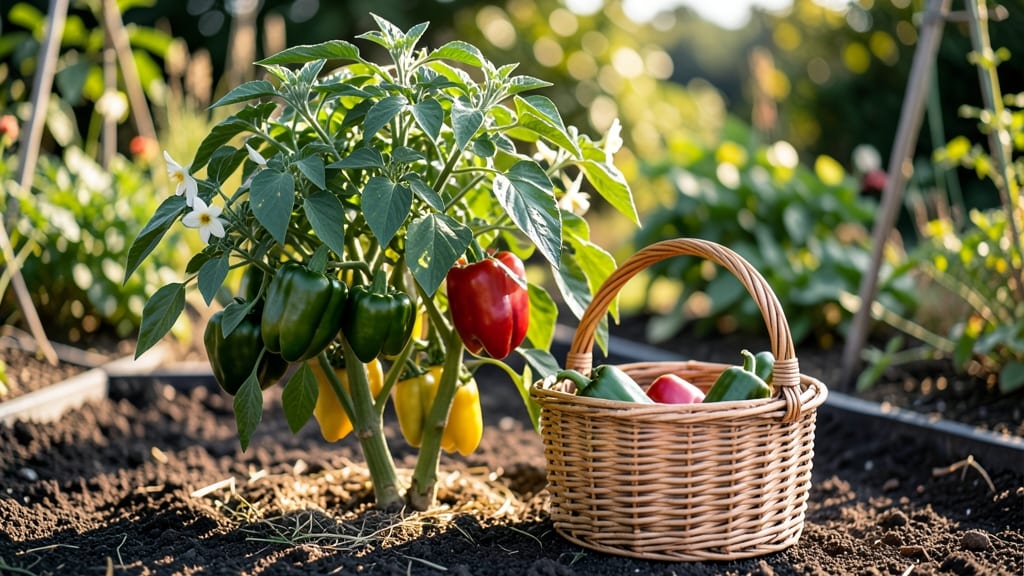
To tell when peppers are ready to pick, focus on color shifts, firm texture, and stem separation—these three cues are the key to unlocking the best flavor and avoiding wasted effort.
Picture this: you’ve nurtured your 🌶️ bell peppers all season, and now they’re finally ready—but how do you know for sure? One wrong move, and you could end up with underripe peppers that lack sweetness or overripe ones that turn mealy.
The difference between a perfect harvest and a disappointing one often comes down to timing.
This guide breaks down the exact visual, tactile, and variety-specific signals to watch for, from the glossy sheen of a ripe jalapeño to the deep red of a bell pepper. You’ll also learn how environmental factors like temperature and sunlight can throw off your timing—and what to do about it.
By the end, you’ll confidently spot the perfect moment to harvest, ensuring your peppers are flavor-packed and ready for the kitchen. No more guesswork, just crisp, vibrant peppers straight from your garden.

Peppers ready to pick: visual cues by color, size, and variety
There's nothing quite like the satisfaction of harvesting homegrown peppers at their peak. But determining the perfect moment to pick can feel like solving a puzzle—especially when dealing with bell peppers, jalapeños, or serranos.
Each variety has unique color cues, size indicators, and texture changes that signal readiness. Ignoring these visual clues can mean sacrificing flavor, heat levels, or even yield.
For example, a green bell pepper harvested too early will taste bland, while a red jalapeño left on the vine too long may become mushy. Understanding these differences ensures you enjoy peppers at their best—whether you're craving sweet crunch or fiery heat.
Let's break down the key visual signals for each variety so you can confidently harvest your crop.
Color is often the first clue, but it's not the only one. A jalapeño might turn from green to red, but its heat intensifies long before the color change. Meanwhile, bell peppers can shift through multiple hues—yellow, orange, and finally red—each with distinct flavor profiles. Size matters too: a serrano pepper should reach its mature length before picking, or it risks being too mild.
| Variety | Color Cues | Size Indicators | Texture Clues | Heat/Flavor Change |
|---|---|---|---|---|
| Bell Pepper (Green) | Solid green, glossy skin | 3-4 inches long | Firm, slightly waxy | Mild, crisp |
| Bell Pepper (Red/Yellow) | Deep red, orange, or yellow | Full size for variety | Slightly softer, glossy | Sweeter, richer |
| Jalapeño | Green to red (heat increases) | 2-3 inches long | Firm, slightly bumpy | Mild green → spicy red |
| Serrano | Green to red (smaller size) | 1-2 inches long | Firm, thin skin | Hotter when red |
| Habanero | Orange, yellow, or red | 1-2 inches long | Wrinkled, firm | Extreme heat at maturity |
Let’s start with bell peppers, the most common variety in home gardens. When fully mature, they undergo a dramatic color transformation from green to red, yellow, or orange, depending on the cultivar.
But don’t wait for the color change if you prefer green peppers—they’re ready to pick when they reach 3-4 inches long and feel firm to the touch. The skin should also resist slight pressure when gently squeezed, indicating optimal crispness.
For jalapeños and serranos, size is a critical clue. These peppers should reach their mature length before harvesting. A jalapeño is typically 2-3 inches long, while a serrano is smaller, around 1-2 inches.
Color changes here signal increased heat—green jalapeños are milder, while red ones pack a punch. Pay attention to the stem end, which often turns brown or yellow as a sign of ripeness.
Texture plays a surprisingly important role in determining readiness. A ripe pepper should feel firm but not rock-hard. If it yields slightly under gentle pressure, it may still need time. Overripe peppers, on the other hand, become soft, wrinkled, or even leaky.
This is especially true for habaneros, which can quickly go from perfect to mushy if left too long on the vine. Their skin also develops a wrinkled texture as they mature.
One common mistake gardeners make is assuming all peppers ripen at the same rate. Bell peppers may take 60-90 days to mature, while jalapeños can be ready in as few as 60 days. Habaneros, however, often need 120+ days to reach peak heat and flavor.
Keeping track of planting dates and variety-specific timelines helps avoid harvesting too early or too late.
Maturity also affects flavor and heat levels dramatically. For example, a red bell pepper is significantly sweeter than its green counterpart, thanks to the natural conversion of starches to sugars as it ripens.
Meanwhile, jalapeños become hotter as they turn red, while serranos intensify in spiciness regardless of color. Understanding these nuances ensures you harvest peppers when they’re at their most delicious or potent.
If you’re growing multiple varieties, use a small notebook to track each pepper’s progress. Note the color changes, size increases, and texture shifts for each plant. This simple habit helps you recognize patterns and adjust your harvesting schedule year after year.
For example, if your habaneros consistently ripen faster in hotter summers, you’ll know to check them more frequently during peak heat.
Finally, remember that environmental factors like sunlight, temperature, and water availability can influence ripening. Peppers grown in full sun and
How to test pepper ripeness: the 3 key methods for perfect harvest timing
Harvesting peppers at the right time transforms your garden into a flavor factory—but one wrong move can turn sweet rewards into bitter disappointments. Overripe peppers lose crispness and develop mealy centers, while underripe peppers stay tough and bland.
Mastering these three proven methods ensures you pick peppers at their peak, whether you're growing jalapeños, bell peppers, or serranos.
The secret lies in combining visual cues with tactile tests. Color changes are your first clue, but they're not enough—you also need to check stem separation and skin firmness. For example, a red bell pepper might look perfect but feel mushy if left too long.
Let's break down the foolproof techniques that work for every pepper variety in your garden.
-
1Gentle Squeeze Test: Grip the pepper firmly between your thumb and forefinger. A ripe pepper will feel firm but slightly yielding—like a ripe avocado. If it's too hard, it's underripe; if it's soft or dented, it's past its prime. Jalapeños should resist gentle pressure without bruising.
-
2Stem Separation Method: Twist the pepper gently at the stem. A ready-to-pick pepper will separate cleanly with minimal force. If the stem snaps off cleanly, it's perfect. If it resists or tears, wait 2-3 days. This works best in the morning when peppers are hydrated from dew or watering.
-
3Color Progression Chart: Use variety-specific color cues. Bell peppers go from green to red/yellow/orange; jalapeños darken to deep green or red. Check the stem end—it should turn brown or yellow when fully ripe. For serranos, look for glossy skin and vibrant color before harvesting.
Pro tip: Combine these methods for accuracy. A red bell pepper that passes the squeeze test but hasn't separated at the stem might need another day. Always harvest in the morning when temperatures are cooler—this preserves flavor and prevents bruising during transport.
Remember, pepper varieties mature at different rates, so consult your seed packet for days-to-maturity guidelines.
For container gardeners, check peppers more frequently since they ripen faster in warm microclimates. If you're growing multiple pepper types, keep a small notebook to track which varieties ripen first.
This simple habit prevents overripe peppers from spoiling while others remain green. The key is consistency—don't rely on just one method, especially when dealing with heat-sensitive varieties like habaneros.
One common mistake is assuming all peppers ripen at the same pace. Sweet bell peppers take longer to color up than jalapeños, which can turn red in as little as 60 days.
Pay attention to the plant's overall health—wilting leaves or yellowing foliage can signal stress, which affects ripening. When in doubt, harvest slightly early—peppers continue to ripen after picking, though flavor development slows.
Master these three techniques, and you'll never miss the perfect harvest window again. The next time you're standing in your garden with a basket in hand, remember: firmness + stem separation + color progression equal peak pepper perfection. Happy harvesting! 🌶️