
How To
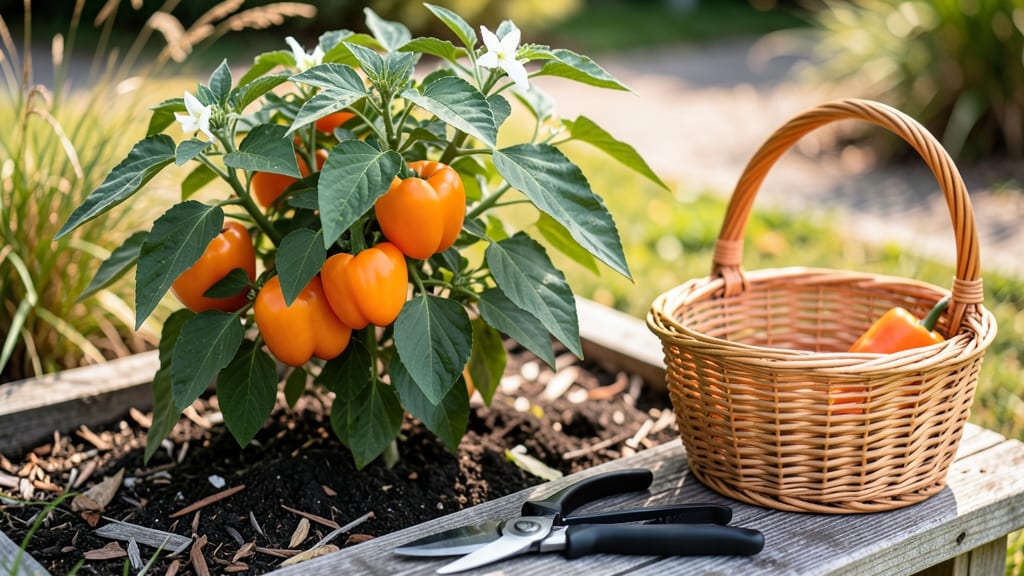
Picking orange bell peppers 🌶️ at the right time means the difference between sweet, juicy flavor and bitter disappointment.
If you’ve ever bitten into a pepper that’s still tough, underripe, or worse—shriveled and mealy—you know timing matters. But here’s the catch: most gardeners wait too long, missing the peak sweetness window when the color shifts from green to vibrant orange.
Below, I’ll show you the 3 key color cues that signal your peppers are ready, plus how to test firmness and glossiness for foolproof results. No more guesswork, just perfect harvests every time.
You’ll also learn what happens if you pick too early or too late—and how to store your harvest for maximum freshness. Ready to turn your garden into a pepper-flavor powerhouse?

Orange bell pepper ripening stages: what to look for before picking
Orange bell peppers undergo a fascinating color transformation from light green to vibrant orange, signaling changing flavors and textures. Each stage offers unique characteristics that determine whether your harvest will be sweet, crisp, or bitter.
Understanding these ripening stages ensures you pick peppers at their peak—when they’re bursting with flavor and perfect for fresh eating or preserving.
Bell peppers start as green when immature, but the real magic happens as they transition through yellow and finally orange. Unlike red bell peppers, which continue ripening after turning orange, orange varieties stop at this stage.
This means timing is critical—wait too long, and you’ll miss the sweetest, most flavorful window. Let’s break down what to look for at each stage to ensure you harvest at the perfect moment.
🌶️ Visual Guide to Ripening Stages
At the orange stage, bell peppers reach their sweetest and most flavorful state. This is the ideal time to harvest because the sugars have fully developed, and the texture remains crisp.
Look for a uniform orange color with no green or yellow patches—this consistency guarantees sweetness. The skin should also feel firm but slightly yielding when gently squeezed, like a ripe avocado.
Another key indicator is the glossy sheen on the pepper’s skin. A dull or matte finish suggests the pepper is overripe or stressed, while a shiny surface means it’s at peak freshness.
Pay attention to the stem attachment too—the stem should snap easily when bent, not tear away roughly. This tells you the pepper is ready to be picked without damaging the plant.
If you’re unsure whether your orange bell peppers are fully ripe, try the taste test. Cut one open and sample a small piece. The flesh should be crisp, juicy, and sweet with minimal bitterness.
If it tastes underdeveloped or bitter, wait a few more days. Conversely, if it’s overly soft or mealy, it’s past its prime. This simple test saves you from harvesting peppers that aren’t ready.
One common mistake gardeners make is waiting too long for peppers to turn red, thinking they’ll be sweeter. However, orange bell peppers stop ripening at orange. Leaving them on the vine to turn red can lead to shriveled, mealy flesh and a loss of flavor.
Unlike red varieties, orange bell peppers are best enjoyed at their vibrant orange peak when their sweetness is at its highest.
Harvesting at the right stage also affects how well your peppers store. Peppers picked at the orange stage last longer in the fridge and hold their flavor better than those harvested too early or too late.
Store them in a paper bag in the crisper drawer to maintain freshness for up to two weeks. For long-term storage, consider freezing or pickling them while they’re at their sweetest.
To encourage more peppers to reach the perfect orange stage, ensure your plants get full sun (6-8 hours daily) and consistent watering. Overwatering or underwatering can stress the plant, leading to uneven ripening or poor flavor.
A balanced fertilizer with equal parts nitrogen, phosphorus, and potassium (like a 10-10-10 blend) applied every 4-6 weeks will support healthy growth and fruit development.
Finally, don’t forget to harvest regularly. Picking peppers as they ripen encourages the plant to produce more fruit. If you leave too many peppers on the vine, the plant may focus its energy on a few large peppers at the expense of smaller ones.
Aim to pick at least once every 2-3 days during peak harvest season to keep your plants productive and healthy.
By mastering these ripening stages and cues, you’ll always know exactly when to pick your orange bell peppers for the best flavor, texture, and sweetness. Happy harvesting! 🌱
3 Key color cues that signal peak sweetness in orange bell peppers
Orange bell peppers are a gardener’s sweet reward—but only if you harvest them at the right time. The color transformation from green to orange isn’t just about aesthetics; it’s your flavor cue.
A deep, uniform orange hue means peak sweetness, while subtle color gradients or dull patches signal overripeness. Let’s break down the 3 must-check color cues before you snip that pepper from the vine.
First, don’t assume fully orange = fully ripe. Many gardeners make the mistake of waiting until peppers turn bright red for maximum sweetness—but orange bell peppers hit their peak flavor before that stage.
The ideal harvest window is when the pepper is a rich, consistent orange with no lingering green at the stem. This stage guarantees the sweetest, crispest texture possible.
No green base or streaks—peppers should be deep, even orange from stem to tip.
A slightly waxy sheen indicates maturity—dull or matte peppers are overripe.
A smooth transition from lighter to deeper orange means peak ripeness—no abrupt color shifts.
That glossy skin isn’t just eye-catching—it’s a tactile cue of ripeness. When peppers reach their peak sweetness, their surface develops a natural shine, almost like a fresh coat of wax.
If the skin feels dull or dry, the pepper has passed its prime and may taste mealy or bitter. Pro tip: Hold the pepper up to the light—translucent edges are a red flag for overripeness.
Pay attention to subtle color gradients too. A pepper at peak flavor will show a gradual shift from a lighter orange near the stem to a deeper hue at the tip.
If you spot uneven patches or a sudden color change (like a bright red spot), it’s a sign the pepper is transitioning past its sweetest stage. These gradients are nature’s way of telling you: “Pick me now!”
One last pro tip: Size matters, but not as much as color. While orange bell peppers typically reach 3-4 inches long, focus first on the color cues listed above.
A slightly smaller pepper with a uniform orange glow will always taste sweeter than a larger one with dull patches or green streaks. And remember—harvesting early (when still slightly green) can actually boost sweetness in subsequent peppers by encouraging the plant to produce more fruit.
Now that you know the 3 key color cues, grab your pruners and enjoy that sweet, crisp harvest! The difference between a peak-flavor pepper and a bitter disappointment often comes down to timing—and now, you’re armed with the perfect color guide to nail it every time. 🌶️