
Plants
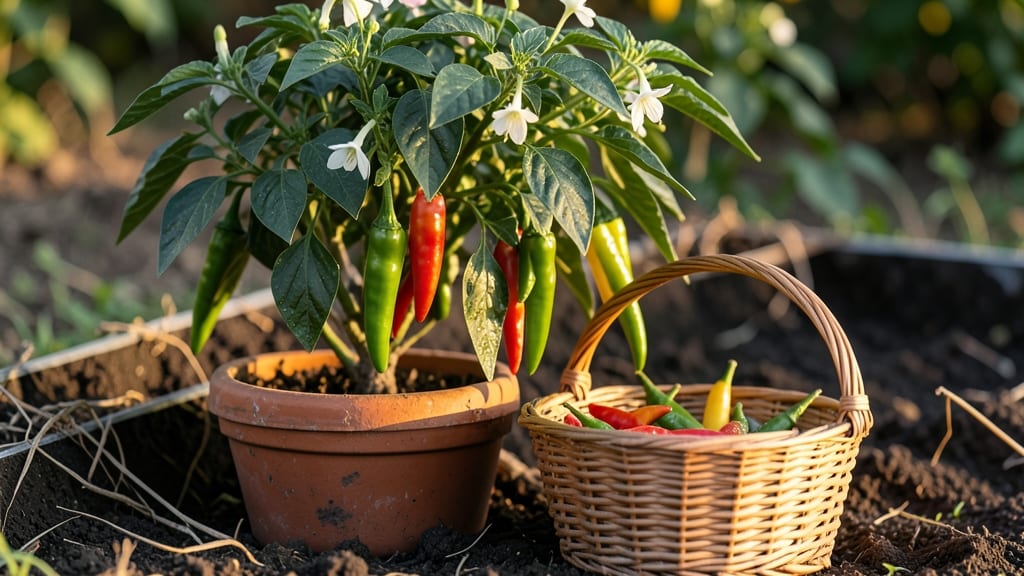
Picking cayenne peppers from your plant at the right time means the difference between a fiery harvest and wasted effort — and the key is watching for those three color stages that signal peak heat and flavor.
Picture this: you’ve nurtured your 🌶️ cayenne plants all season, only to pull a pepper too soon and end up with a milder, less potent batch. Or worse, you wait too long and the fruit turns rubbery.
The secret? Knowing when those green peppers turn red (or orange, depending on your variety) isn’t just about color—it’s about heat development and plant health.
In this guide, I’ll walk you through the exact visual cues to look for, from firmness and gloss to size, so you never miss the perfect moment.
You’ll also learn what happens if you harvest too early or too late—and how to store your peppers to keep that kick intact for months.
Ready to turn your garden into a spice powerhouse? Let’s dive into the three color stages that guarantee the hottest, most flavorful cayenne peppers you’ve ever grown.

3 Cayenne pepper color stages and when to harvest each for maximum heat
Cayenne peppers are a gardener's spice treasure, but their heat potential and flavor complexity change dramatically as they mature. The color transformation from green to red isn't just visual—it's a direct indicator of when to harvest for peak spiciness.
Understanding these three color stages will help you decide whether to pick for fresh eating, drying, or preserving.
Most gardeners focus only on the red stage, but each color phase offers unique benefits. Green cayennes are milder and crisp, orange peppers strike a balance between heat and sweetness, while deep red peppers deliver maximum capsaicin—the compound that makes them fiery hot.
Knowing when to harvest each stage ensures you get the flavor profile you want.
| Color Stage | Days to Maturity | Heat Level (Scoville) | Best For | Harvest Window |
|---|---|---|---|---|
| Green | 60-75 days | 10,000-30,000 SHU | Fresh eating, pickling | Early summer (July) |
| Orange | 75-85 days | 30,000-50,000 SHU | Balanced heat, roasting | Mid-summer (August) |
| Red | 85-90+ days | 50,000-100,000+ SHU | Drying, maximum heat | Late summer (September-October) |
The green stage is where cayennes start their journey, typically appearing 60-75 days after transplanting. At this point, they're crisp and mild, with a Scoville heat rating between 10,000-30,000 SHU.
This is ideal if you're planning to use them in salsas, pickles, or fresh dishes where you want a milder kick. Many gardeners harvest green peppers to encourage the plant to produce more fruit.
As cayennes mature, they transition to orange, a stage that marks a sweetness spike alongside increasing heat. This happens around 75-85 days and offers a balanced flavor perfect for roasting or stuffing.
The heat jumps to 30,000-50,000 SHU, making them a favorite for gardeners who want a little more spice without overwhelming heat. Don't miss this window—it's short-lived!
The red stage is where cayennes reach their peak heat potential, with Scoville ratings soaring to 50,000-100,000+ SHU. This deep red color appears around 85-90 days and is the best time to harvest if you're drying peppers for flakes or powders.
The flavor becomes more complex, with a fruity undertone that pairs well with slow-cooked dishes. However, leaving them too long on the plant can lead to wrinkled skin and reduced quality.
Temperature plays a crucial role in color development. Cayennes need consistent warmth (above 70°F) to ripen fully. If your summer cools down early, your peppers may stay green or turn orange prematurely.
In such cases, consider using a row cover or harvesting at the orange stage instead. Always check for firmness and glossy skin—these are better indicators of ripeness than color alone.
Pro tip: If you're growing cayennes in containers, they may mature slightly faster due to warmer root zones. Monitor them closely and adjust your harvesting schedule accordingly. For maximum yield, pinch off flowers when peppers are still small to encourage larger, hotter fruits.
This technique works best for determinate varieties, which stop growing once they produce fruit.
Once you've harvested, store your cayennes properly to preserve their heat and flavor. Green peppers keep best in the fridge for 1-2 weeks, while red and orange peppers can last 2-3 weeks if stored in a cool, dry place.
For long-term storage, dry or freeze them—this concentrates the capsaicin, making them even hotter! A dehydrator or oven at 175°F works perfectly for drying.
Remember, the color isn't the only cue—always check for stem separation and pepper firmness. If the pepper snaps easily at the stem, it's ready. Ignoring these signs can lead to overripe peppers, which may become soft, wrinkled, and less flavorful.
With practice, you'll develop an eye for the perfect harvest moment, turning your cayenne plants into a spice-producing powerhouse. 🌶️
How to test cayenne pepper ripeness beyond color: 5 pro tips
Color isn't the only way to know when your cayenne peppers are ready for harvest. While deep red or orange hues signal maturity, these 5 pro tips help you confirm ripeness beyond visual cues.
Mastering these techniques ensures you capture peak heat levels and flavor intensity—not to mention maximizing your plant's productivity.
Many gardeners make the mistake of relying solely on pepper color, which can be misleading due to variety differences or environmental stress. For example, some cayennes stay green longer, while others turn yellow or even purple.
That's why I always combine color checks with these physical and sensory tests to guarantee a perfect harvest.
🌶️ 5 Pro Tips to Test Cayenne Pepper Ripeness
- 1. Size Matters: Compare peppers to the variety's mature size (typically 2-4 inches long). Use a ruler or caliper for precision—full-size peppers are always ready.
- 2. Firmness Test: Gently squeeze the pepper. Ripe cayennes feel firm with a slight give—like a plum, not a tomato. Soft or wrinkled skin means overripe or underripe.
- 3. Stem Separation: Twist the pepper gently at the stem. A ripe pepper will snap cleanly at the stem base without tearing. If it resists or pulls away, it's not ready.
- 4. Heat Test: Cut open a pepper and taste a small piece. Fully ripe cayennes deliver immediate heat—no waiting for the burn. If it tastes mild, wait a few days.
- 5. Glossy Skin: Ripe peppers develop a slightly glossy surface. Dull or matte skin indicates underripe or stressed peppers, often due to uneven watering.
For the heat test, I recommend trying the "snap test" first. Hold the pepper by the stem and bend it slightly—if it snaps with resistance, it's ready. This method works even for green cayennes that never turn red, like some heirloom varieties.
I've found that stem separation is the most reliable indicator for early-maturing varieties, which can confuse gardeners with their quick color changes.
Don’t overlook the environmental factors that affect ripeness. For example, cool nights can slow color development, while consistent heat speeds it up. If your cayennes are fully sized but still green, wait 7-10 more days—they may ripen without changing color.
Always harvest in the morning when heat levels are highest, as this is when capsaicin (the compound that gives peppers their kick) peaks.
Pro tip: Keep a harvest journal to track when your specific cayenne variety reaches peak ripeness. Note the days to maturity, color changes, and heat intensity each year. Over time, you'll develop an intuition for the perfect harvest window—even before the peppers show all the classic signs.
This method has saved me from overripe peppers that lose their heat and underripe ones that never deliver their full potential.