
Plants
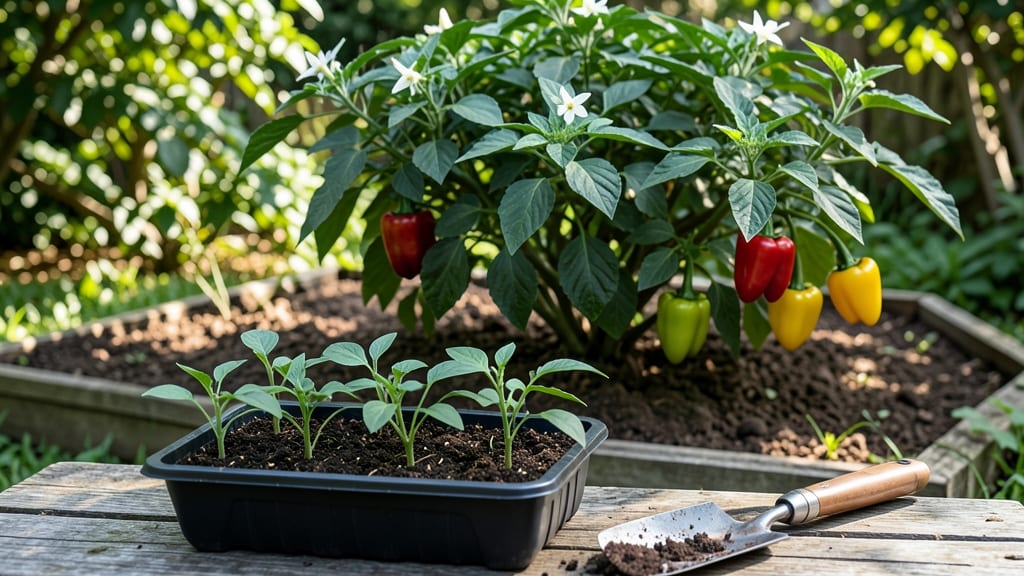
Planting bell peppers in Michigan means timing your spring transplant just right—between late April and early June after the last frost, when soil warms to 60°F.
Get it wrong, and you’ll either lose seedlings to cold snaps or watch your plants bolt before producing a single 🌶️. Michigan’s 5b-6b zones add another layer, with Detroit’s frost dates differing from Traverse City’s by weeks.
Here’s how to nail the window, whether you’re starting seeds indoors or buying transplants.
You’ll learn the exact transplant dates for your region, how to stretch the season with row covers, and why soil temperature matters more than calendar dates. Plus, we’ll cover fall planting—yes, it’s possible—and companion plants to keep pests at bay.
By the end, you’ll know not just when to plant, but how to set your bell peppers up for a bountiful summer harvest—no guesswork, just results.
Michigan bell pepper planting dates by hardiness Zone (5 & 6)
Michigan’s USDA Zones 5b and 6b create unique challenges for growing bell peppers—late frosts in spring and early frosts in fall demand careful timing. The average last frost date ranges from April 15 in southern Michigan to May 1 in northern regions, but these dates shift yearly.
For 2024 projections, gardeners should plan for transplanting after May 15 in most areas to avoid frost damage.
Bell peppers are warm-season crops that thrive when soil temperatures reach 60°F or higher.
In Michigan, this typically occurs between late May and early June, depending on your location. Detroit gardeners can often plant outdoors by May 20, while Traverse City may need to wait until June 1 due to cooler northern climates.
Here’s a zone-specific breakdown of ideal planting windows for bell peppers in Michigan, including adjustments for early or late springs:
If your spring arrives earlier than average, you can transplant bell peppers as early as May 1 in southern Michigan, but always monitor soil temperatures with a thermometer. Late springs (like 2021) may push transplanting into early June, especially in Zone 5b areas like Traverse City.
For gardeners in Zone 6b (e.g., Detroit), consider a second planting in early July for a fall harvest. Use fast-maturing varieties (e.g., 'Early California Wonder') and protect seedlings with row covers to extend the season until September 15.
Adjust your schedule based on microclimates—south-facing slopes warm up faster, while low-lying areas may stay cooler. Urban gardeners in Detroit can often plant 1-2 weeks earlier than rural areas due to heat island effects.
Always check the Michigan State University Extension for real-time frost alerts and local adjustments. Their 2024 planting calendar will provide the most accurate guidance for your specific county.
Pro tip: Use black plastic mulch to warm soil faster and transplant earlier in cooler zones. This can shave off 1-2 weeks from your planting timeline.
Indoor seed starting vs. transplanting: Michigan-specific timeline
Michigan gardeners face a short growing season, so timing is everything when planting bell peppers. Starting seeds indoors gives you a head start, while transplanting seedlings after the last frost ensures healthy growth.
For USDA Zones 5b-6b, the decision hinges on your last frost date and soil warmth.
In most of Michigan, the average last frost falls around April 15, but northern areas like Traverse City may see frost until May 1.
To maximize your harvest, begin seeds indoors 8-10 weeks before your expected last frost date. For southern Michigan, that means starting seeds by mid-February.
🌱 Indoor Seed Starting vs. Transplanting Timeline
| Method | When to Start | Soil Temp Requirement | Key Tools |
|---|---|---|---|
| Indoor Seed Starting | 8-10 weeks before last frost (Feb 15-Mar 1 for most of MI) | 70-75°F (use heat mat) | Seed trays, grow lights, heat mat |
| Direct Transplanting | After May 15 (when soil is 60°F+) | 60°F+ (use row covers if needed) | Transplant shock spray, mulch, row covers |
| Northern MI (Traverse City) | Start seeds by Mar 1 (later frost) | 70°F+ (extend season with cold frame) | Cold frame, black plastic mulch |
A heat mat is a game-changer for northern Michigan gardeners. Without one, seed germination can take 2-3 weeks longer due to cooler indoor temperatures. Place seeds on a heat mat set to 70-75°F to ensure consistent germination.
Once seedlings sprout, provide 12-14 hours of light daily using grow lights if natural light is insufficient.
For direct transplanting, wait until the soil temperature consistently reaches 60°F or higher. In southern Michigan, this typically happens by mid-May, while northern areas may need to wait until early June. Use a soil thermometer to confirm—cold soil can stunt root growth and delay fruiting.
If you’re in a hurry, consider transplanting seedlings from a local nursery after May 15. While this skips the indoor seed-starting process, choose compact varieties like 'Sweet Banana' or 'Jupiter' to ensure they mature before frost. Always harden off seedlings for 7-10 days before transplanting to reduce shock.
For northern Michigan gardeners, extending the season with row covers or a cold frame can add 2-3 extra weeks of growing time. This is especially useful if you’re transplanting later in the season or dealing with unpredictable frost dates. Just remember to remove covers during hot days to prevent overheating.