
Plants
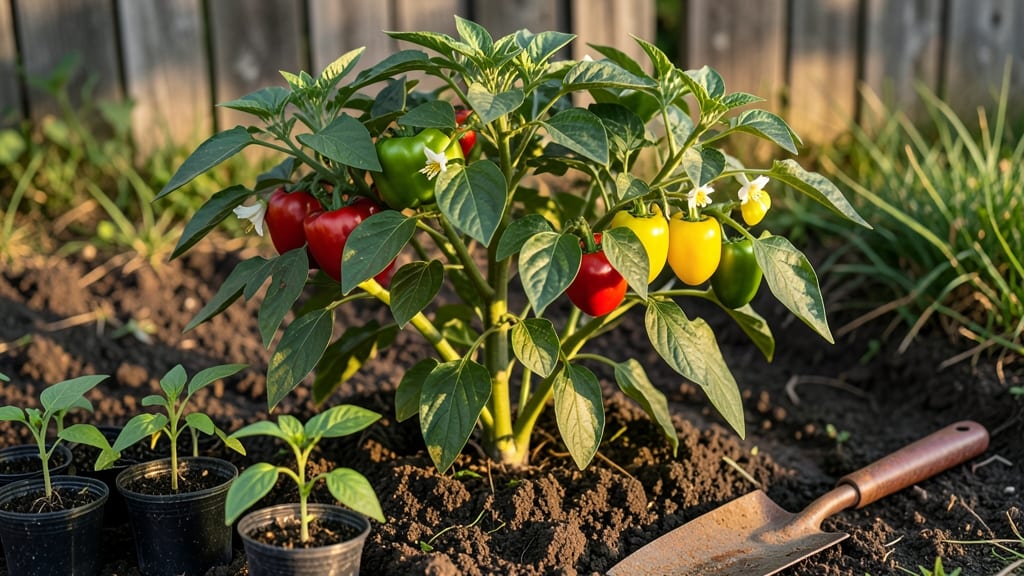
To plant peppers in Illinois, wait until after your last frost date—typically mid-April to mid-May—when soil temperatures hit at least 60°F 🌶️.
Timing is everything when growing peppers in Illinois—plant too early and frost will kill them; too late and your harvest shrinks. Avoid these costly mistakes with zone-specific deadlines and expert tips.
In 5b-6b zones, peppers need at least 165 frost-free days to mature, so rushing the season can leave you with half-formed fruit. The key? Start seeds indoors 8-10 weeks before your target transplant date.
Below, I break down the exact planting windows by zone, how to extend the season with row covers, and the fastest-maturing varieties that thrive in Illinois’ short summers.
Illinois pepper planting deadlines by hardiness Zone (5-7)
Getting your pepper plants in the ground at the right time is critical in Illinois, where frost dates vary dramatically from north to south. In Zone 5, late frosts can linger until mid-May, while Zone 7 gardeners often see frost-free conditions by mid-April.
Plant too early, and your seedlings will crisp in the cold; too late, and your harvest shrinks. Let's break down the exact planting windows for each zone, including soil temperature thresholds and last-frost averages.
Peppers are warm-season crops that thrive when soil temperatures stay above 50°F consistently. However, they won’t germinate well below 60°F, so timing your planting to match these conditions is key.
Illinois’ USDA Zones 5-7 offer a range of 160-200 frost-free days, meaning your pepper varieties must be chosen carefully to fit your local growing season. Let’s dive into the specifics for each zone to ensure you maximize your harvest.
🌱 Key Rule: Always wait until after your average last frost date and confirm soil temperatures are 50°F+ before planting. Use a soil thermometer to check—peppers won’t thrive in cooler soils. For transplants, aim for 60°F+ soil for best root establishment.
| Zone | Last Frost Date | Soil Temp Threshold | Ideal Planting Window | Notes |
|---|---|---|---|---|
| Zone 5 (Northern IL) | April 15 - May 1 | 60°F+ | May 10 - May 25 | Use row covers for early starts; opt for fast-maturing varieties (60-75 days). |
| Zone 6 (Central IL) | April 1 - April 15 | 55°F+ | April 20 - May 10 | Soil warms faster; start transplants in late April if using black plastic mulch. |
| Zone 7 (Southern IL) | March 15 - April 1 | 50°F+ | March 25 - April 15 | Longer season allows longer varieties (90+ days); consider fall planting for extended harvests. |
In Zone 5, where late frosts are common, I recommend starting peppers indoors 6-8 weeks before your target planting date. Use grow lights to provide 14-16 hours of light daily, as natural daylight is still short.
Harden off seedlings for 7-10 days before transplanting to toughen them up. For direct sowing, wait until soil temperatures are consistently above 60°F, typically late May in northern Illinois.
Gardeners in Zone 6 have a bit more flexibility. You can start seeds indoors by mid-March or purchase transplants in early April. The key is to monitor soil temperatures closely—peppers won’t germinate well below 60°F, even if air temperatures seem warm.
Use a soil thermometer to avoid disappointment. If you’re using black plastic mulch, you can plant 2 weeks earlier since it warms the soil faster.
For Zone 7, the earliest zone in Illinois, you can push the envelope further. Start seeds indoors by mid-February or plant transplants as early as mid-March if you’re using row covers or a high tunnel.
Southern Illinois also benefits from a longer growing season, allowing you to experiment with longer-maturing varieties like Bell Peppers or Jalapeños that take 90+ days to harvest.
One pro tip for all zones: Succession planting can extend your harvest. Sow a second batch of seeds 6-8 weeks after your first planting to ensure a continuous supply of peppers.
In Zone 7, you might even squeeze in a fall planting of fast-maturing varieties like Early Jalapeño or Sweet Banana Peppers for a late-season harvest before the first frost.
If you’re unsure about your local frost dates, check the Illinois State Climatologist or use a frost calendar from your local Cooperative Extension Service. These resources provide hyper-local data that can save your pepper plants—and your patience!
Remember, peppers are sensitive to cold, so even a light frost can damage or kill them. Always err on the side of planting late rather than risking a frost-related loss.
Finally, prepare your soil by mixing in compost or well-rotted manure to improve drainage and fertility. Peppers prefer slightly acidic to neutral soil (pH 6.0-7.0). If your soil is heavy clay, consider planting in raised beds or mounding soil to improve drainage.
With the right timing and soil prep, you’ll be on your way to a
How to extend the pepper growing season in Illinois
Illinois gardeners face a short growing season, but with the right strategies, you can protect your pepper plants from late frosts and enjoy a longer harvest.
Even in USDA Zones 5-7, peppers need at least 80-120 frost-free days to mature. The key is combining season extension tools with smart planting techniques.
Start by choosing early-maturing varieties (60-75 days to harvest) and use protective covers to shield plants from unexpected cold snaps. I’ve found that combining row covers, cold frames, and succession planting can add 4-6 weeks to your growing season—sometimes even longer in sheltered microclimates.
- 1 Use row covers (floating or low tunnels) to protect seedlings from late spring frosts (down to 28°F). Secure edges with soil or bricks to prevent wind damage.
- 2 Cold frames extend harvests into October-November by trapping heat. Place them over plants after first frost warnings and remove during warm days to prevent overheating.
- 3 Succession plant every 2-3 weeks from May through July to stagger harvests. Use shade cloth (30-50%) for late plantings to reduce heat stress.
- 4 Plant near heat-retaining structures like stone walls or black plastic mulch to raise soil temperatures by 5-10°F, accelerating growth in cool zones.
- 5 Harvest before frost by monitoring 10-day forecasts. Pick peppers when half-mature (green) to slow ripening if frost is imminent—many varieties will ripen indoors.
For northern Illinois (Zone 5), focus on early varieties and prioritize row covers until June 1. In southern Illinois (Zone 7), you can push the season further with cold frames and black plastic mulch, sometimes harvesting until November in sheltered spots.
I’ve had success using low tunnels over pepper beds in May and September to create a 5-10°F warmer microclimate. Pair this with drip irrigation to maintain moisture without wetting foliage, which reduces fungal diseases like blight—a common issue in Illinois’ humid summers.
Don’t forget to harden off seedlings gradually before moving them outdoors, even with protective covers. Acclimate them over 7-10 days to prevent shock. With these strategies, you can turn Illinois’ 165-day growing season into a 200+ day harvest window for peppers.
🌱🌿💧