
Plants
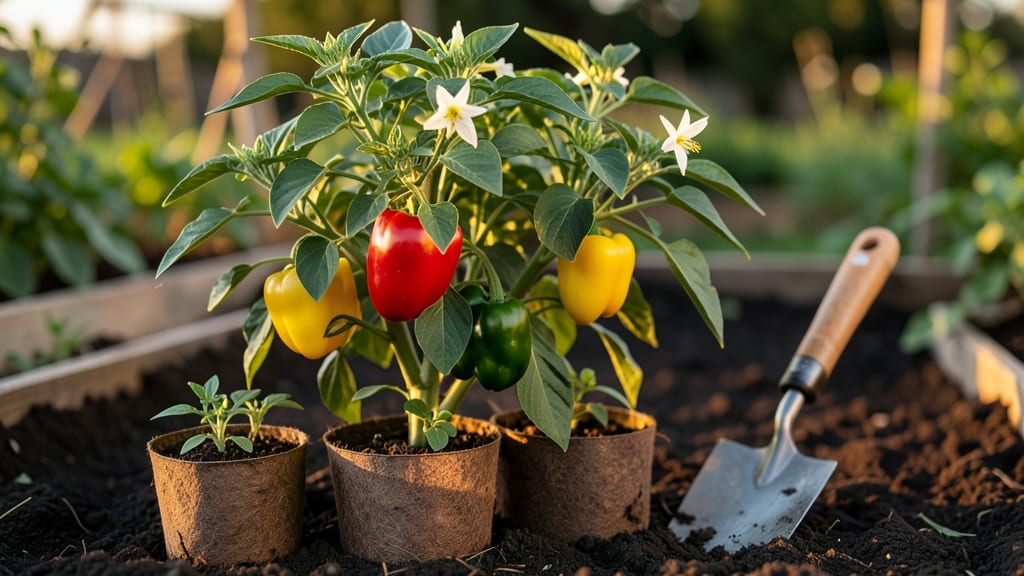
Planting peppers in Kansas after your last frost date — usually mid-April to early May — is the key to a bountiful harvest 🌶️.
Kansas gardeners know timing is everything — plant too early and frost will wipe them out, too late and your harvest shrinks. But with Kansas’ varied microclimates, the perfect window depends on whether you’re in humid eastern zones or arid western plains.
In USDA zones 5b-7a, soil temperatures must reach at least 60°F before transplanting, which often means waiting until late April in cooler areas like Salina or early May in western Kansas.
Below, I break down exact frost-free dates by region, how to start seeds indoors for an early jumpstart, and the 3 biggest mistakes Kansas gardeners make when planting peppers — plus how to avoid them.
Kansas frost-free dates by zone: best peppers planting windows
Kansas stretches across USDA hardiness zones 5b through 7a, creating dramatic differences in frost-free dates from east to west. In zone 5b (northeastern Kansas), the last frost typically arrives around April 15, while zone 7a (southwestern Kansas) sees its final frost by March 15.
These differences mean your pepper planting window can shift by 6 weeks depending on location.
For most Kansas gardeners, the ideal transplanting window for peppers falls between mid-April and early May. However, this varies by pepper type: bell peppers need a longer growing season (85-100 days), while jalapeños and hot peppers mature faster (60-75 days).
Starting seeds indoors 8-10 weeks before your last frost date ensures you have healthy transplants ready when soil warms.
Soil temperature is just as critical as air temperature. Peppers won’t thrive until soil reaches at least 60°F. In cooler zones (5a/5b), this often means waiting until late April or early May, while warmer western zones (6a/7a) can plant as early as mid-March for fast-maturing varieties.
If you’re growing bell peppers, prioritize early-maturing varieties like 'Early California Wonder' (60 days) or 'Sweet Banana' (65 days) in cooler zones. For jalapeños and hot peppers, 'Early Jalapeño' (65 days) or 'Carolina Reaper' (90 days) work well across most zones.
Western Kansas gardeners can experiment with longer-season varieties like 'Big Jim' bell peppers (80 days) thanks to warmer soils.
Adjust your planting window based on microclimates. Urban areas like Kansas City often experience later frosts than rural areas, while Wichita’s western edge can plant peppers 2 weeks earlier. Use a minimum thermometer to track soil temps—peppers won’t germinate below 55°F, and stunted growth occurs below 60°F.
For container gardening in Kansas, start seeds indoors 10-12 weeks before your last frost. Containers warm up faster than garden beds, so you can transplant 2-3 weeks earlier than traditional gardeners. Choose compact varieties like 'Shishito' peppers (60 days) or 'Lunchbox' bell peppers (65 days) for containers.
Don’t forget to harden off seedlings for 7-10 days before transplanting. Kansas’ unpredictable spring weather can swing from freezing nights to 80°F days in a week. Protect young plants with row covers or cloche tunnels if frost threatens after transplanting.
In western Kansas (zones 6b/7a), where summers are hotter, focus on shade-tolerant varieties like 'NuMex Heritage' (hot peppers) or 'Black Beauty' (bell peppers). These handle intense afternoon sun better than standard varieties. Mulch heavily to retain moisture—Kansas’ low humidity and high winds can dry out soil quickly.
Plan for a second planting in late June if your growing season extends into October. Fast-maturing varieties like 'Jalapeño M' (60 days) can still produce peppers before the first frost. Use black plastic mulch to warm soil and extend the season by 2-3 weeks.
How to extend the Kansas pepper growing season for earlier harvests
Kansas gardeners can push their pepper harvests forward by 2-4 weeks using simple season-extension tools. In cooler USDA zones 5a/5b (like northeast Kansas), a row cover or cold frame lets you plant seedlings outdoors 3 weeks before the traditional last frost date.
Meanwhile, western Kansas’ hotter microclimates (zones 6-7) can handle heat-tolerant varieties like ‘NuMex Sandia’ or ‘Carolina Wonder’ planted as early as mid-April.
For gardeners in eastern Kansas, where spring frosts linger, greenhouse setups are game-changers. A small, unheated greenhouse can warm soil to 60°F+ by mid-March, allowing transplants 4-6 weeks early.
Pair this with black plastic mulch to speed soil warming—critical for pepper germination, which stalls below 55°F.
- 1 Use row covers (like Reemay fabric) to protect seedlings in zones 5a/5b—plant 3 weeks before last frost. Remove covers when flowers appear to prevent heat stress.
- 2 Cold frames extend the season by 4-6 weeks. Place them on south-facing slopes to maximize sunlight. Monitor soil temps—peppers thrive at 70-85°F during the day.
- 3 Greenhouses (even DIY hoop houses) let you start transplants indoors by late February. Use grow lights for 14-16 hours/day until soil warms outdoors.
- 4 Choose heat-tolerant varieties for western Kansas: ‘Jalapeño M’ (drought-resistant) or ‘Cayenne’ (thrives in 90°F+). Avoid sensitive varieties like ‘Bell Boy’ in high-heat zones.
- 5 Mulch with straw to retain soil moisture and warmth. In western Kansas, use reflective mulch to reduce heat stress on peppers during 100°F+ days.
In western Kansas, where summers scorch, focus on shade cloth (30-50% coverage) to protect peppers from sunburn when temps exceed 90°F. Drip irrigation with morning watering prevents blossom-end rot, a common issue in hot, dry conditions.
For eastern Kansas, prioritize early-maturing varieties like ‘Early Cal Wonder’ (harvests in 60 days) to beat fall frosts.
Pro tip: Test soil temps with a soil thermometer—peppers won’t germinate below 55°F, and growth stalls under 60°F. In zone 5a, wait until mid-May for direct sowing unless using season extenders.
Pair peppers with basil to repel pests and boost flavor, but avoid planting near fennel, which stunts growth.
With these strategies, you can harvest jalapeños in June instead of July or extend your bell pepper season into October. Just remember: protect young plants from late frosts and adjust watering as seasons shift—Kansas weather is unpredictable, but with planning, your pepper patch can thrive year-round.