
Plants
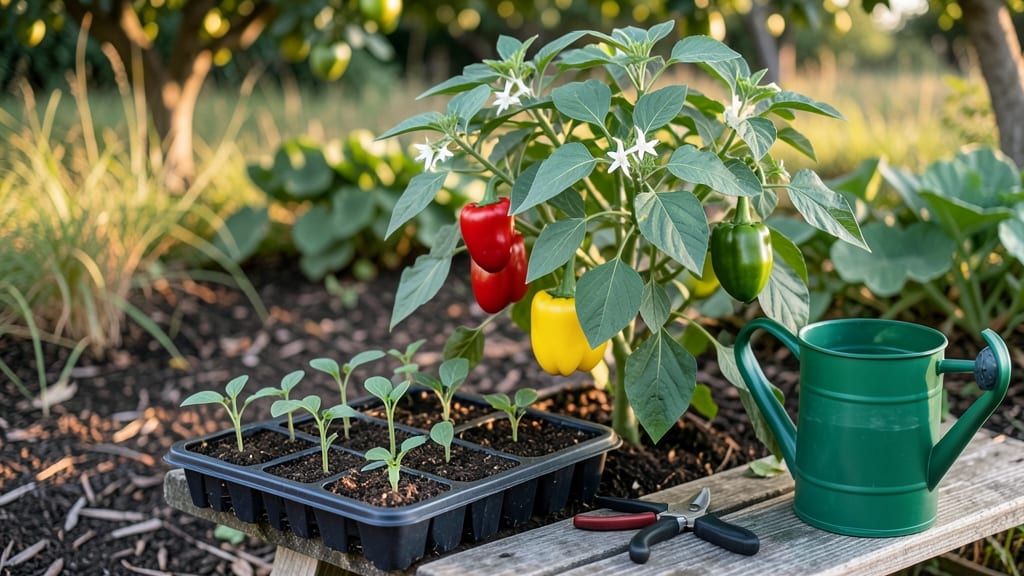
Planting peppers in Kentucky at the right time means the difference between a bountiful harvest and a sad, wilted 🌶️ plant struggling to survive.
Timing is everything when growing peppers in Kentucky’s unpredictable climate—plant too early and risk frost damage, too late and your harvest may never reach full flavor. Here’s how to pinpoint the perfect planting window for your specific microclimate zone.
In Kentucky’s 6a-7a zones, peppers thrive when soil temperatures hit 60°F and all frost danger has passed—usually between April 15 and May 15 for spring planting. But don’t stop there: fall plantings in August or September can give you a second harvest before winter sets in.
Below, I break down the exact dates by region, whether to start indoors or direct-sow, and how to adjust for Kentucky’s unique microclimates—so you can grow peppers that are bold, flavorful, and frost-free.
Kentucky pepper planting dates by USDA hardiness zones (5a-7a)
Kentucky’s USDA Zones 5a-7a create a diverse growing climate where pepper plants thrive with precise timing. The key to success? Planting after the last frost date when soil temperatures consistently reach 60°F+.
In Zone 5a, this typically means waiting until mid-May, while Zone 7a gardeners can start as early as late April. But don’t rush—peppers are frost-sensitive and won’t tolerate even light freezes.
For bell peppers, jalapeños, and other varieties, the transplanting window spans just 4-6 weeks. Miss it, and your harvest may suffer from stunted growth or poor fruit development.
Below, I’ve broken down the exact planting dates for each zone, including soil temperature checks and fall planting opportunities for a second harvest.
🌱
| USDA Zone | Avg. Last Frost | Soil Temp. for Planting | Transplant Window | Fall Planting Window | Notes |
|---|---|---|---|---|---|
| Zone 5a | April 15 | 60°F+ (15°C+) | May 15–June 1 | August 1–15 | Use black plastic mulch to warm soil faster. |
| Zone 6a | April 1 | 60°F+ (15°C+) | April 25–May 10 | July 31–August 15 | Start seeds indoors 8–10 weeks before last frost. |
| Zone 7a | March 20 | 60°F+ (15°C+) | April 15–May 1 | August 15–September 1 | Longer growing season allows for two harvests. |
In Zone 5a, the shorter growing season means you’ll need to act fast. Plant jalapeños or hot peppers in mid-May to ensure they mature before the first frost, which typically hits around October 20. Use row covers or cold frames to extend your season if needed.
For Zone 6a, you have a slightly longer window. Start seeds indoors in early March for transplanting by late April. This gives peppers enough time to establish roots before summer heat sets in.
If you’re growing bell peppers, aim for a July harvest to avoid the heat stress that can reduce fruit quality.
Gardeners in Zone 7a enjoy the luxury of two planting windows: spring and fall. A spring planting in mid-April yields peppers by July-August, while a fall planting in mid-August can produce a second harvest in September-October.
This zone is ideal for experimental varieties like ghost peppers or shishito peppers, which need extra warmth.
Always check your local NOAA frost data for your specific county, as microclimates can shift planting dates by 1-2 weeks. For example, Louisville’s urban heat island may allow earlier planting than rural areas.
Use a soil thermometer to confirm temperatures before transplanting—peppers won’t thrive in cold soil, even if air temps are warm.
🌿
Pro tip: If you’re starting seeds indoors, begin 8-10 weeks before your last frost date. Use grow lights to provide 14-16 hours of light daily, and harden off seedlings for 7-10 days before transplanting. This ensures your peppers hit the ground running when the time comes.
For fall plantings, focus on fast-maturing varieties like ‘Early California Wonder’ bell peppers (60 days) or ‘Jalapeño M’ (70 days). These give you the best chance of a harvest before first frost. Always space plants 18-24 inches apart to improve airflow and reduce disease risk.
✂️
How to adjust planting dates for Kentucky’s microclimates (urban vs. rural)
Kentucky’s diverse geography means your pepper planting dates should vary dramatically between urban heat islands like Louisville and cooler Appalachian highlands. Even within 30 miles, soil temperatures can differ by 2-3 weeks, throwing off your entire growing season.
Let’s break down how to fine-tune your schedule using local data and microclimate factors.
Start by checking NOAA weather stations for your specific area—Louisville’s urban heat effect can push last-frost dates 1-2 weeks later than rural Bowling Green. Meanwhile, elevation changes in the Appalachians may require planting 3-4 weeks earlier to avoid late-season frosts.
Your goal? Match your soil temperature (minimum 60°F) and frost-free window to your microclimate.
🌶️ Comparison Table: Kentucky Pepper Planting Adjustments by Microclimate
| Microclimate | Typical Last Frost | Adjust Planting Date | Soil Temp Goal | Key Risk |
|---|---|---|---|---|
| Louisville (Urban Heat Island) | April 20 | May 1-15 (delayed 1-2 weeks) | 60°F+ (warmer earlier) | Heat stress in July |
| Lexington (Valley Floor) | April 10 | April 25-May 5 | 60°F+ (standard) | Late spring frosts |
| Appalachian Highlands (e.g., Pikeville) | May 5 | May 15-30 (delayed 3-4 weeks) | 65°F+ (cooler soils) | Short growing season |
| Western KY (Paducah) | April 5 | April 15-25 | 60°F+ (earlier warming) | Drought stress |
For urban gardeners in Louisville, leverage black plastic mulch or row covers to warm soil faster—this can shave 10-14 days off your planting window. In contrast, highland areas like Pikeville benefit from early starts indoors (8-10 weeks before last frost) to maximize the 90-day growing season.
Always verify with your local Cooperative Extension Service for hyper-local adjustments.
Don’t overlook elevation impacts: Every 1,000 feet of elevation gain can delay your planting window by 5-7 days. Use a soil thermometer to confirm readiness—peppers won’t thrive until soil hits 60°F consistently.
If your area has unpredictable frosts (like Lexington’s valleys), consider cold-hardy varieties like ‘Carolina Wonder’ or ‘NuMex Sandia’, which tolerate cooler soils better.
Pro tip: Urban areas with concrete surfaces (like downtown Louisville) can experience microclimate heat waves—monitor NOAA’s heat advisories and adjust watering to prevent blossom drop during peak summer heat.
For rural areas, focus on soil drainage; clay-heavy soils in western KY may require raised beds to hit temperature goals faster.
Your fall planting window (August-September) also shifts by microclimate: Urban areas can extend harvests until October 30, while highlands may only get 2-3 weeks of usable fall growth. Use season extenders like low tunnels to push limits in cooler zones.