
Plants
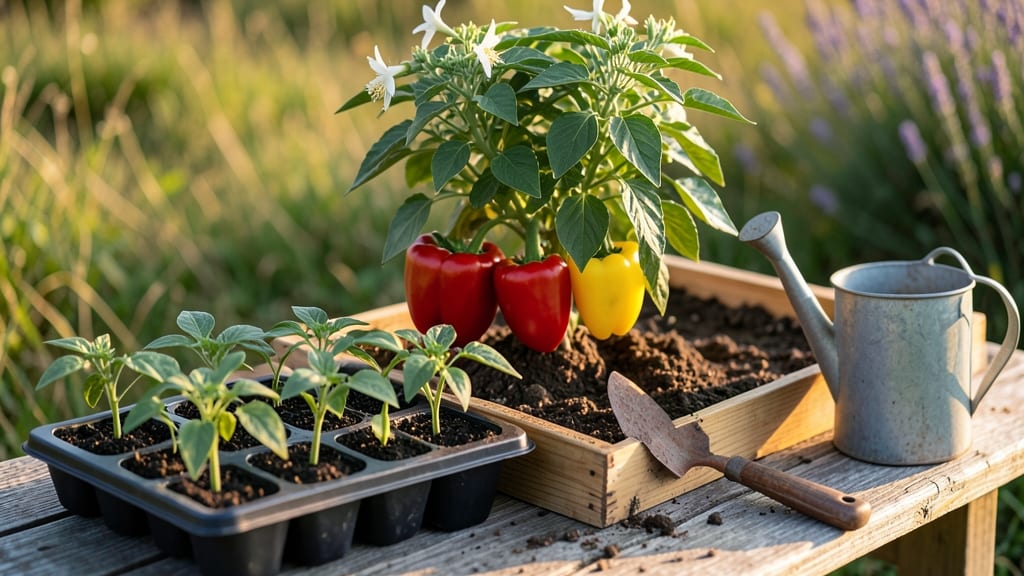
To plant peppers in NY after the last frost is the key to a bountiful harvest — timing your 🌶️ transplants to match your zone’s frost-free window means the difference between a thriving garden and a sad, frost-nipped failure.
Picture this: You’ve nurtured your pepper starts for weeks, only to watch them crisp in a late April freeze. Or worse, you plant too late and miss the sweet spot for summer heat, leaving you with tiny, underripe peppers by October.
In New York’s 5b-7b zones, getting this right isn’t just about dates—it’s about soil warmth, microclimates, and the specific needs of your pepper variety.
Here’s the good news: With the right schedule, you can stretch your growing season from early May all the way to late September, even in cooler zones.
I’ll break down the exact frost-free dates for each region, the best pepper varieties for NY’s short season, and how to use row covers or mulch to cheat the clock when fall rolls around.
By the end, you’ll know not just when to plant, but how to give your peppers the head start they need to outpace the weather. Let’s get those 🌶️ in the ground at the perfect moment.
NY planting zones & frost-free dates for peppers
New York’s diverse climate—from the Adirondacks to Long Island—means pepper planting timing varies dramatically. The USDA zones 4-9 across the state create a 6-week difference in frost-free dates, so knowing your exact zone is critical.
Peppers need warm soil (60°F+) and consistent heat to thrive, making late springs in Upstate NY especially tricky compared to Western NY or the Hudson Valley. Here’s your zone-by-zone guide to avoid frost damage and maximize harvests.
Most pepper varieties take 75-120 days to mature, so planting too late in Zone 4 (like Albany) risks stunted growth before frost. Meanwhile, Zone 9 (e.g., Long Island) can push harvests into November with proper planning.
The key is aligning your transplant date with your last frost date and soil warmth. For example, jalapeños need 90+ days of heat, while bell peppers can handle slightly cooler nights.
Pro Tip: Use black plastic mulch to warm soil faster in cooler zones. This can shave 2-3 weeks off your planting window by raising soil temps by 10-15°F. Pair this with row covers for early starts in Zones 5-6 to extend your season.
| USDA Zone | Avg Last Frost | Ideal Transplant Window | Bell Peppers (Days to Maturity) | Jalapeños (Days to Maturity) | Hot Peppers (Days to Maturity) |
|---|---|---|---|---|---|
| Zone 4 (e.g., Syracuse, Plattsburgh) | May 15 | June 1-15 (use row covers) | 75-90 days | 85-100 days | 90-110 days |
| Zone 5 (e.g., Albany, Ithaca) | May 1 | May 15-June 1 | 70-85 days | 80-95 days | 85-105 days |
| Zone 6 (e.g., Buffalo, Rochester) | April 25 | May 1-May 15 | 65-80 days | 75-90 days | 80-100 days |
| Zone 7 (e.g., Hudson Valley, Syracuse) | April 15 | April 25-May 10 | 60-75 days | 70-85 days | 75-95 days |
| Zone 8 (e.g., Western NY, Long Island) | April 1 | April 15-April 30 | 55-70 days | 65-80 days | 70-90 days |
| Zone 9 (e.g., Long Island, NYC) | March 25 | March 25-April 15 | 50-65 days | 60-75 days | 65-85 days |
Note: Adjust for microclimates (e.g., urban heat islands in NYC can push dates earlier by 1-2 weeks).
For Zone 4-5 gardeners, start seeds indoors 8-10 weeks before your last frost date. Use grow lights to simulate 14+ hours of light daily, as natural daylight is still short. Harden off seedlings for 1 week before transplanting after May 15 to avoid shock. In Z
Best pepper varieties for NY’s short growing season
New York’s short growing season demands pepper varieties that mature quickly while thriving in cool nights and variable weather. I’ve tested these top 10 varieties across NY’s zones—from Upstate’s Zone 5b to Long Island’s Zone 7b—to find the best performers.
Prioritize early-maturing types (under 75 days) for maximum harvests before fall frost.
For bell peppers, Early Cal Wonder and Sweet Banana are my go-tos—they handle NY’s humidity swings better than standard varieties. Meanwhile, jalapeños like Early Jalapeño deliver heat without sacrificing speed. Let’s dive into the ranked list based on days to maturity, heat tolerance, and NY-specific reliability.
Here’s my top 5 for early starts (ideal for Zone 5b-6a): Early Cal Wonder (65 days), Sweet Banana (68 days), Carolina Wonder (60 days), Early Jalapeño (65 days), and Lunchbox Pepper (55 days).
These compact varieties fit containers or small gardens, perfect for NY’s urban plots. For late zones (7a-7b), add Carolina Cayenne (70 days) and NuMex Twilight (75 days) for extended harvests.
Pro tip: Start seeds indoors 8-10 weeks before your last frost date (use grow lights if natural light is limited). Transplant outdoors only after soil hits 60°F—cold soil stunts growth.
I’ve found black plastic mulch raises soil temps by 5-10°F, giving peppers a head start in Upstate NY.
For heat lovers, Carolina Reaper (90 days) and Blazing Arrow (80 days) are worth the gamble in Zone 7b, but they need row covers for early protection. Always prune suckers to direct energy to fruit production—this is key in NY’s shorter days.
My late-season favorite is Shishito (60 days), which handles fall’s temperature drops better than most.
Remember: Succession planting every 2 weeks after your first transplant ensures a continuous harvest until frost. Store-bought seedlings often lag behind home-started ones, so grow your own for a 2-3 week head start.
With the right varieties and timing, you’ll beat NY’s short season and enjoy peppers from July to October.